
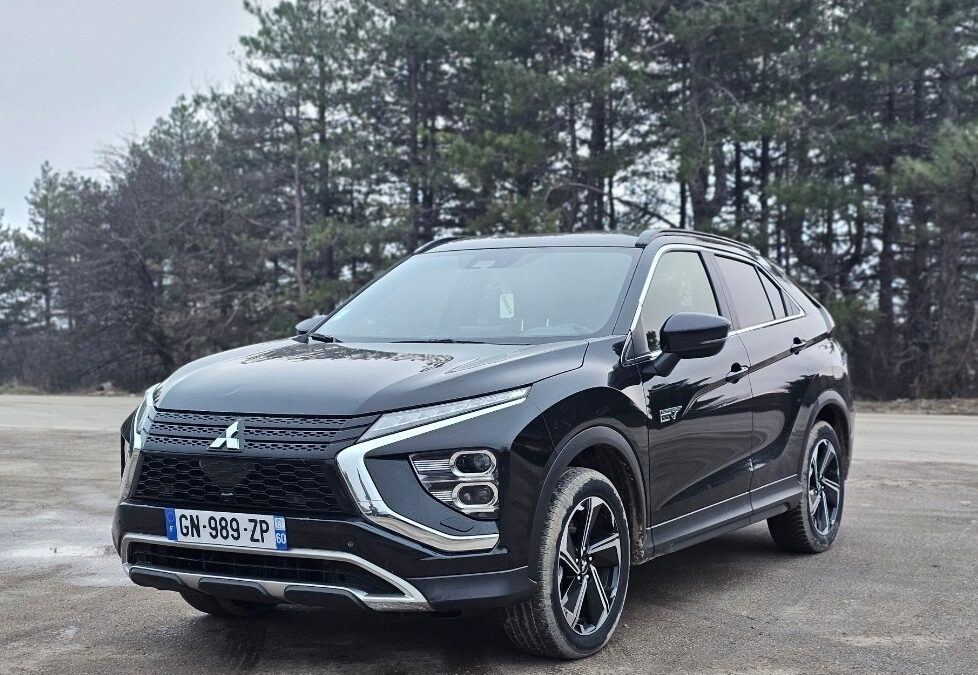
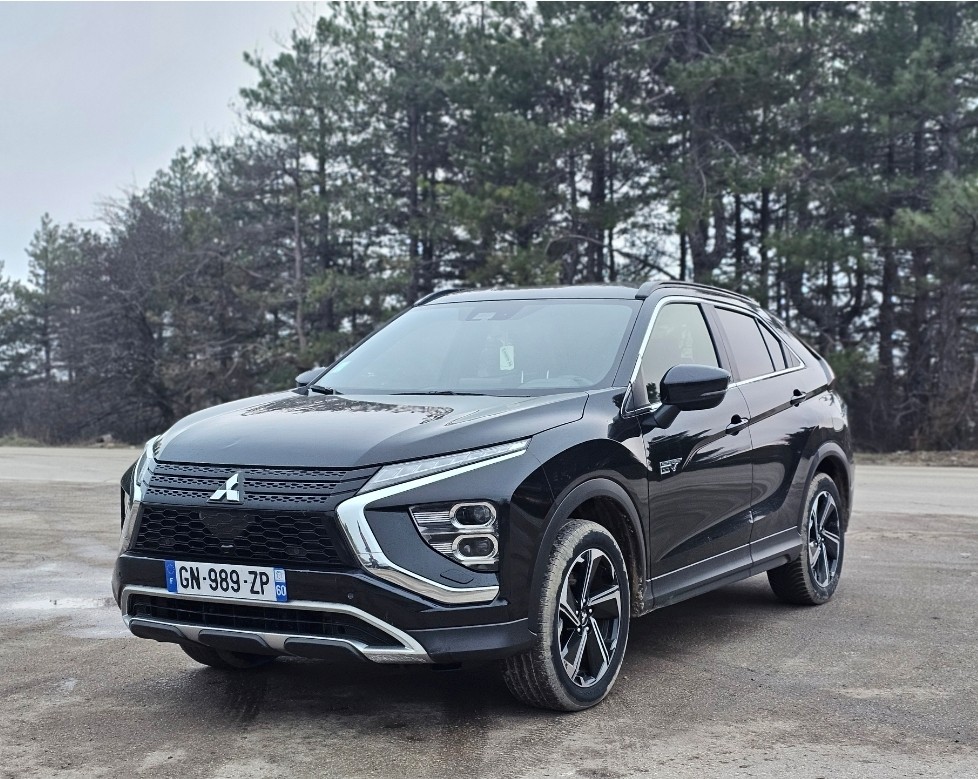
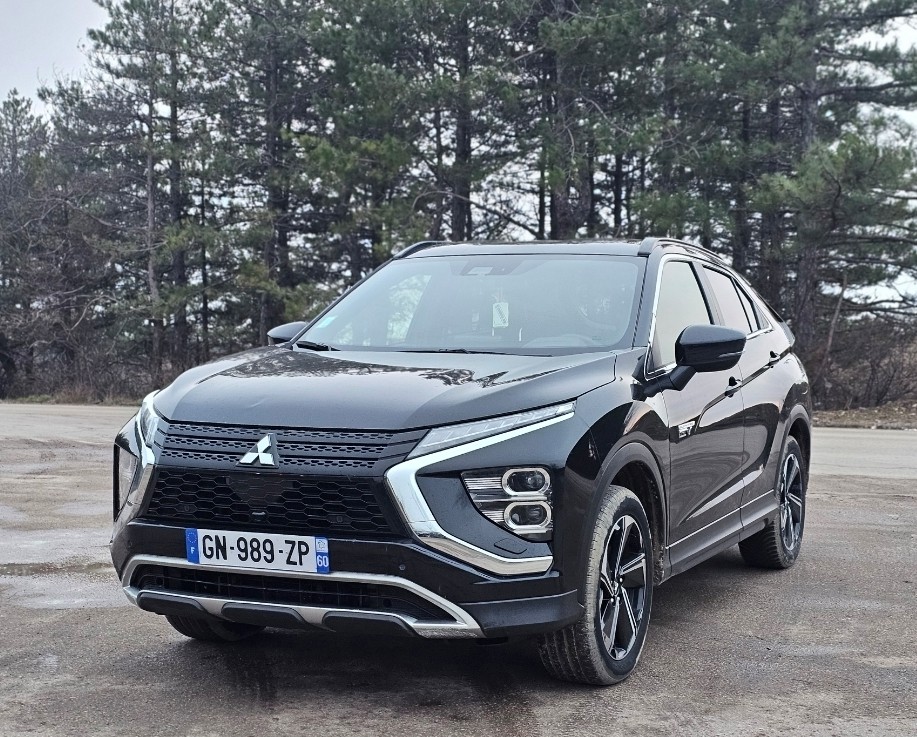
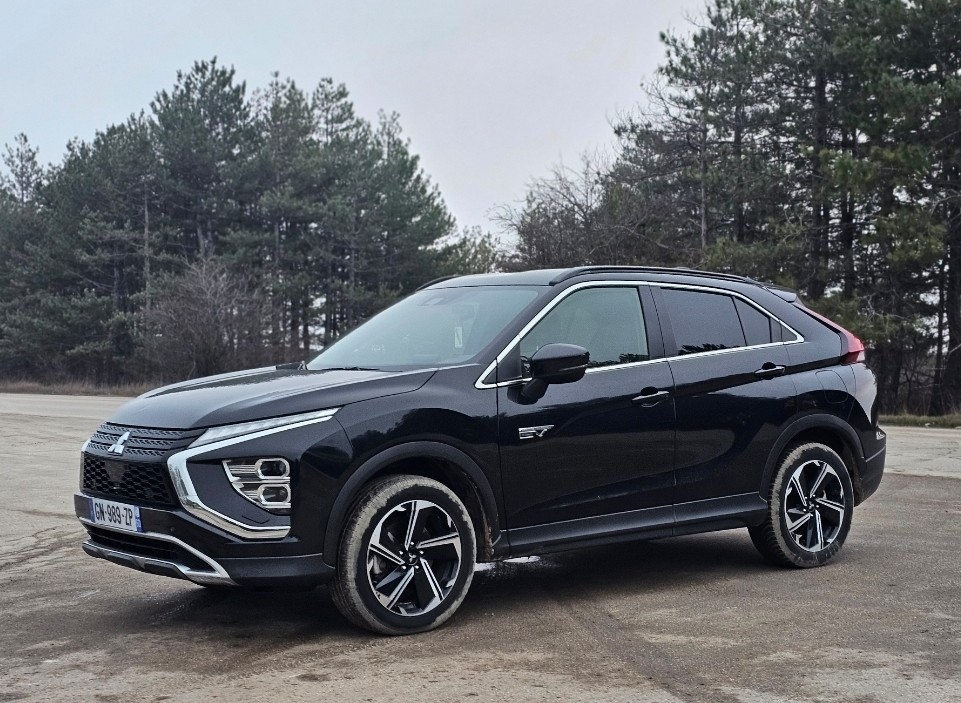
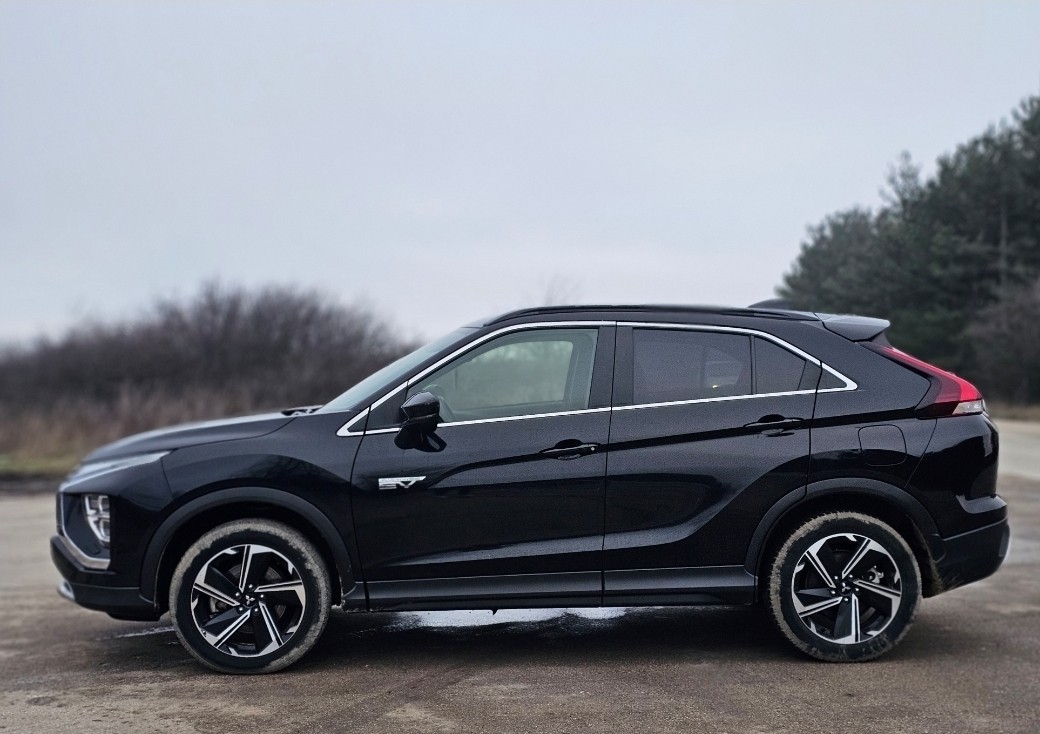
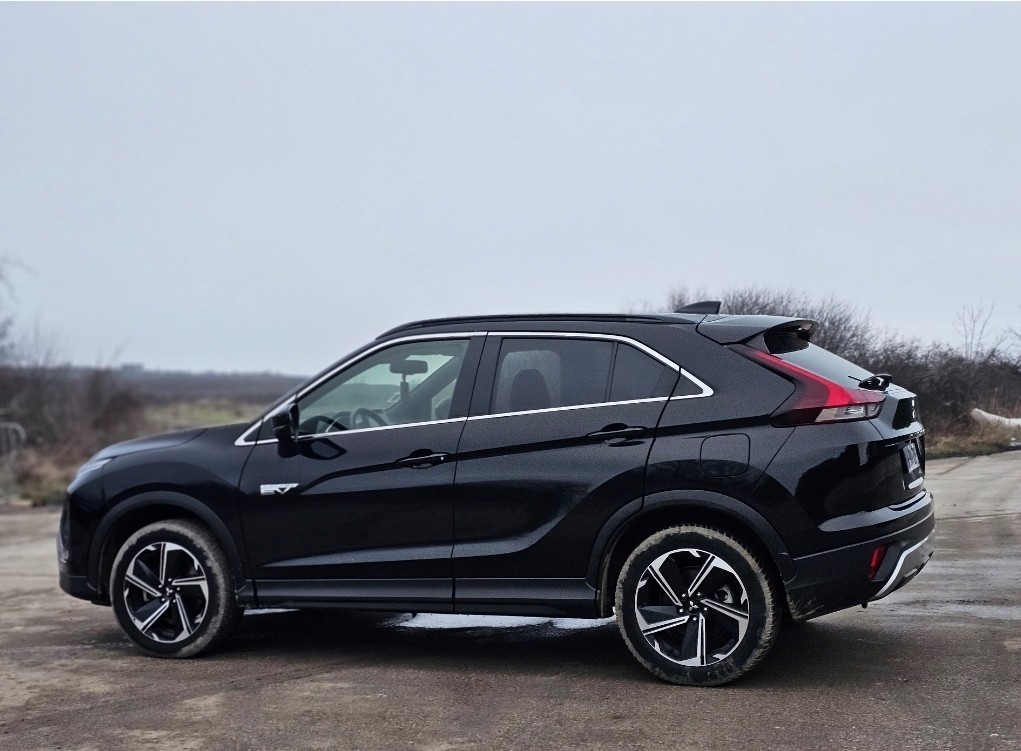
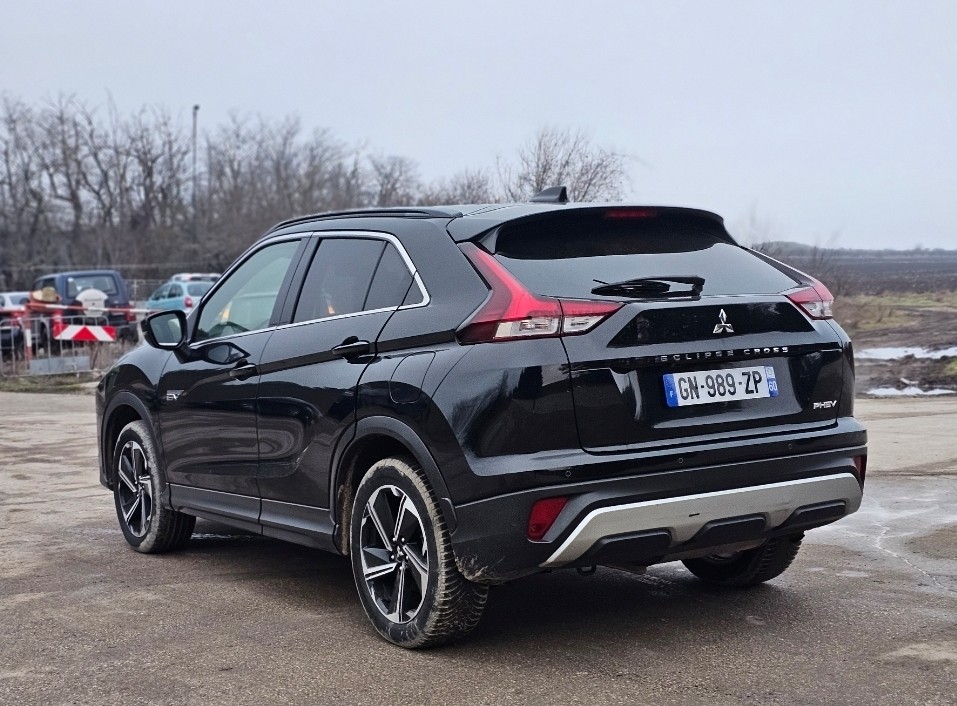
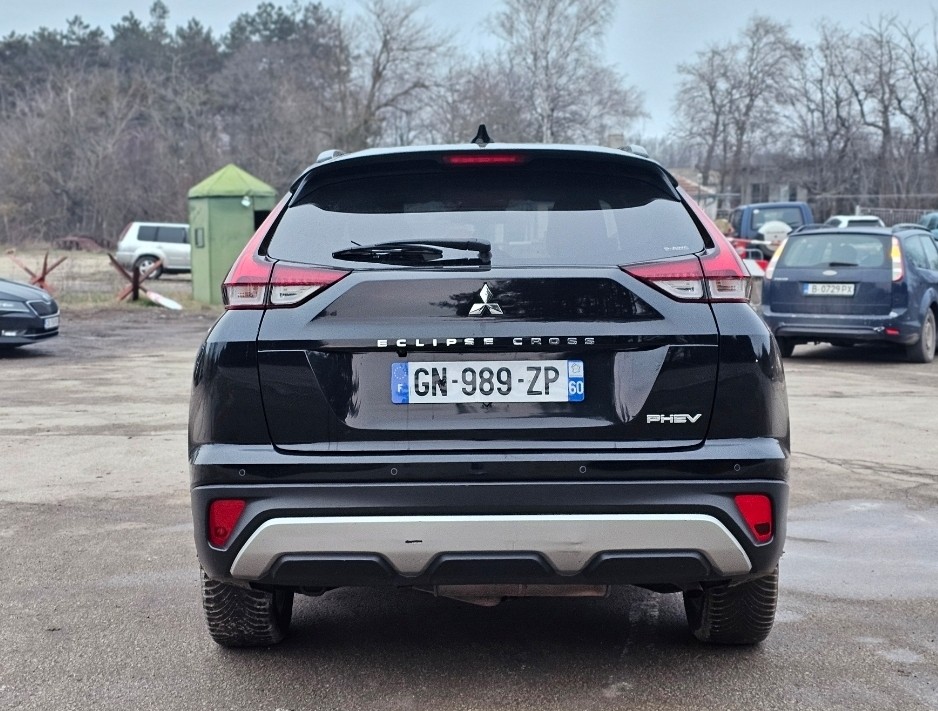
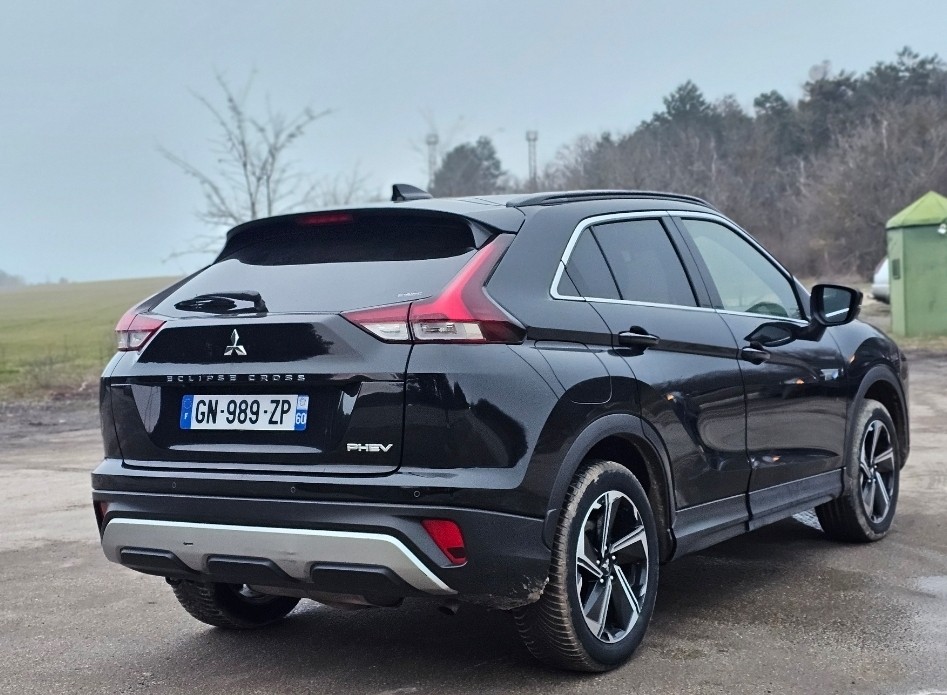
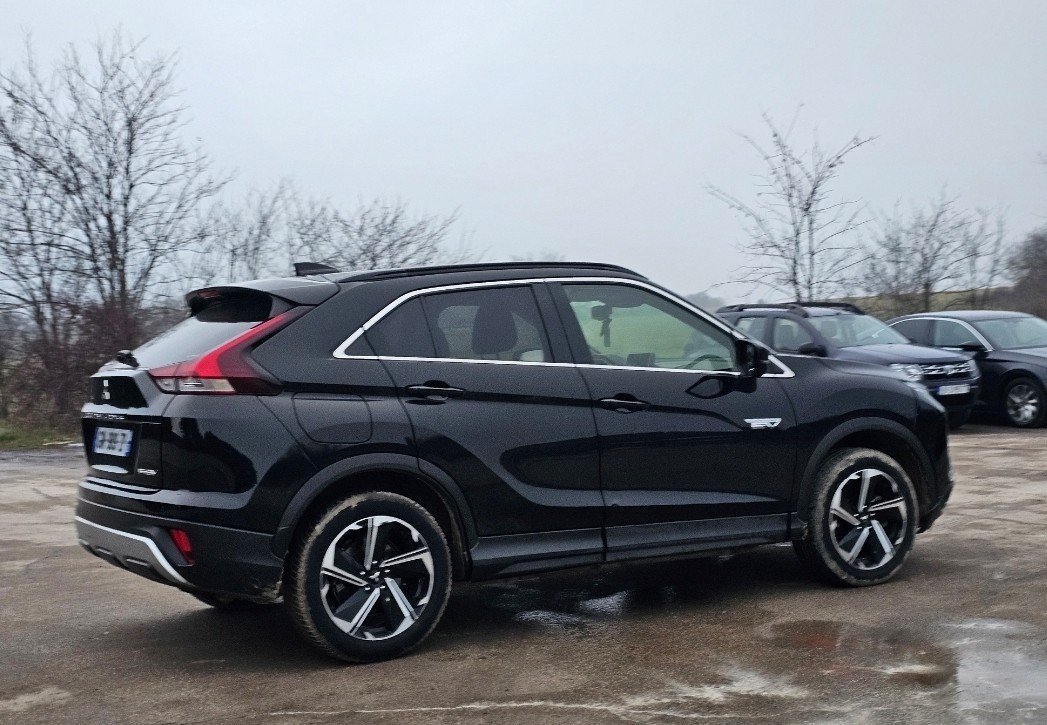
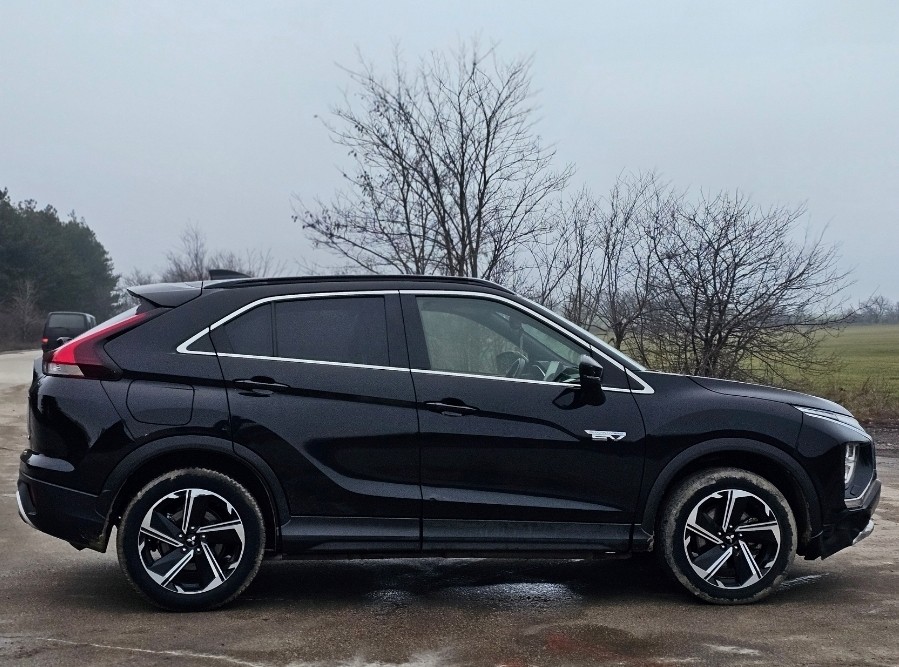
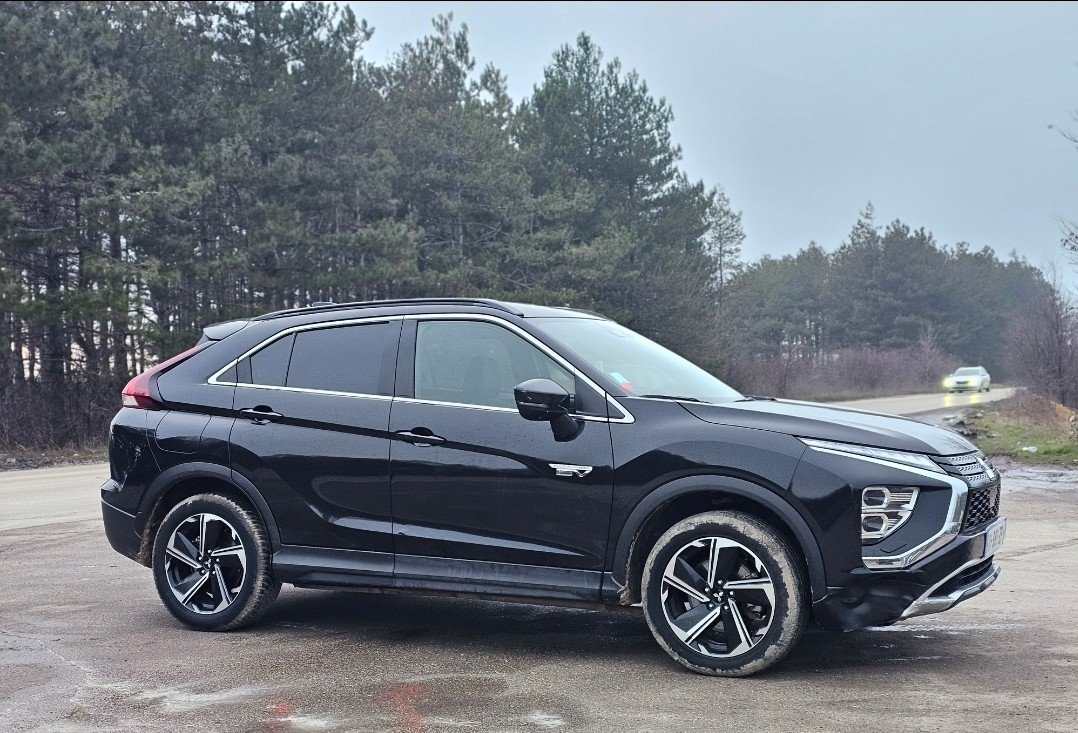
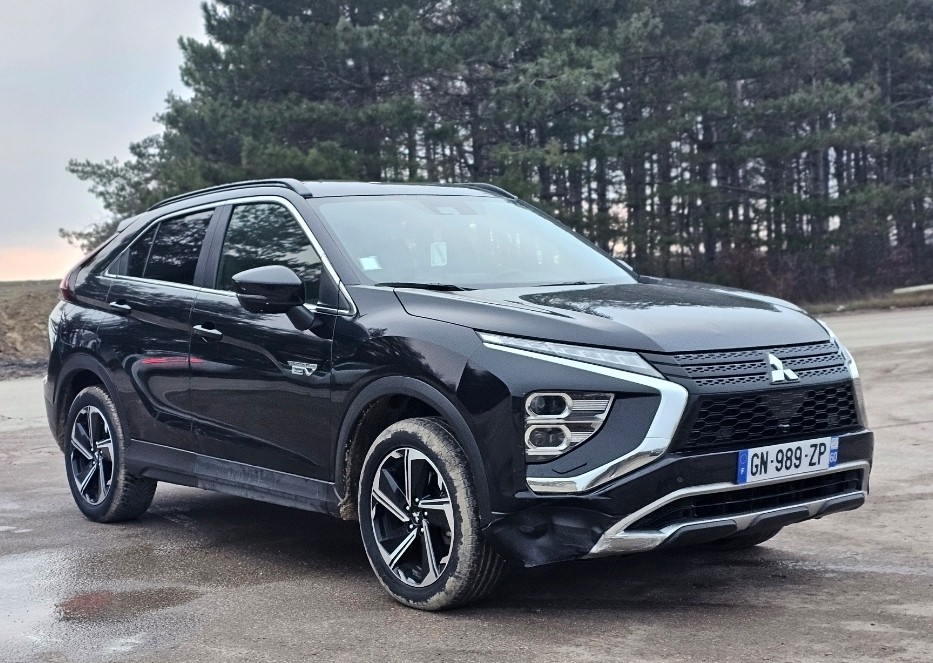
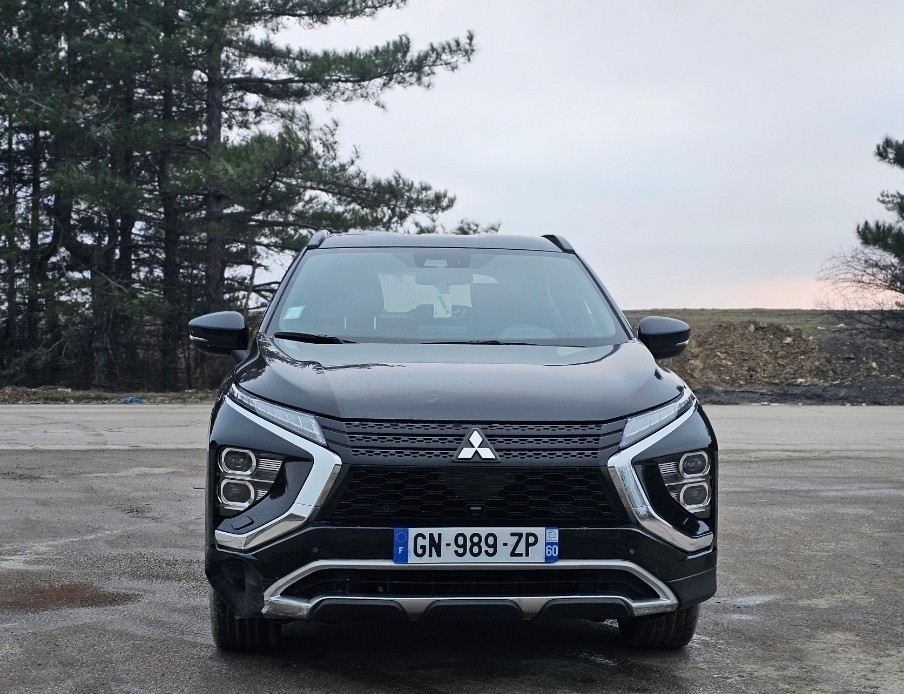
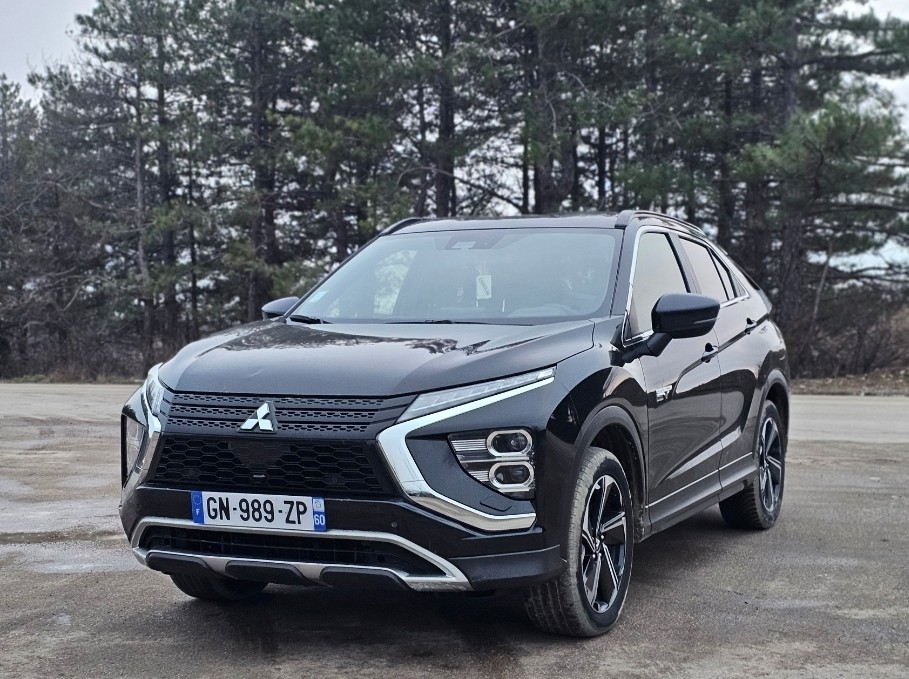
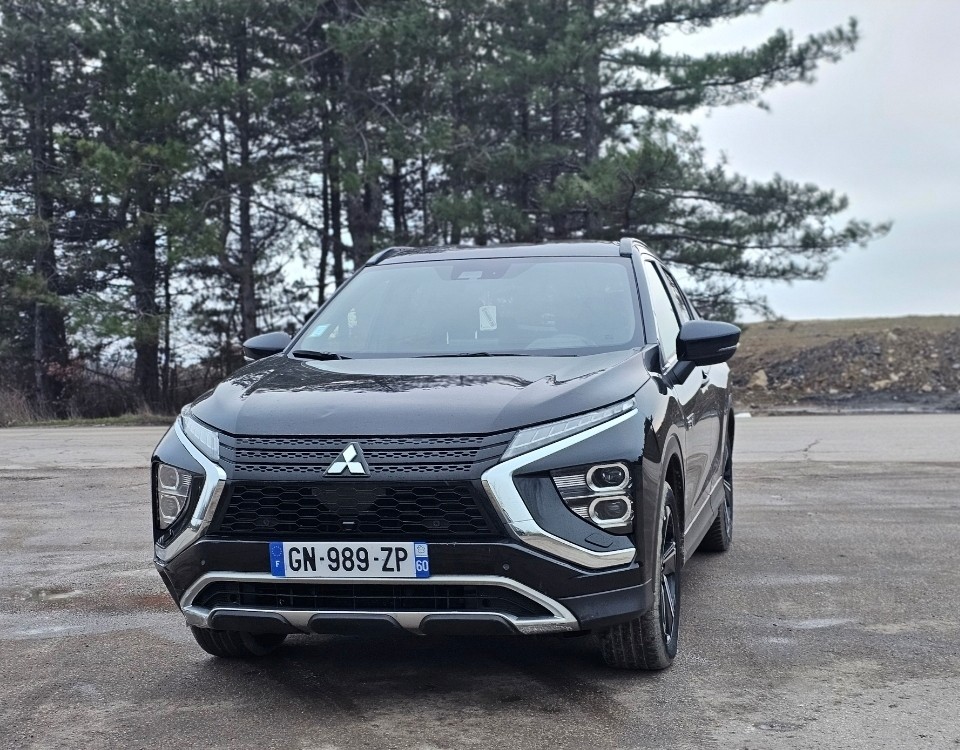
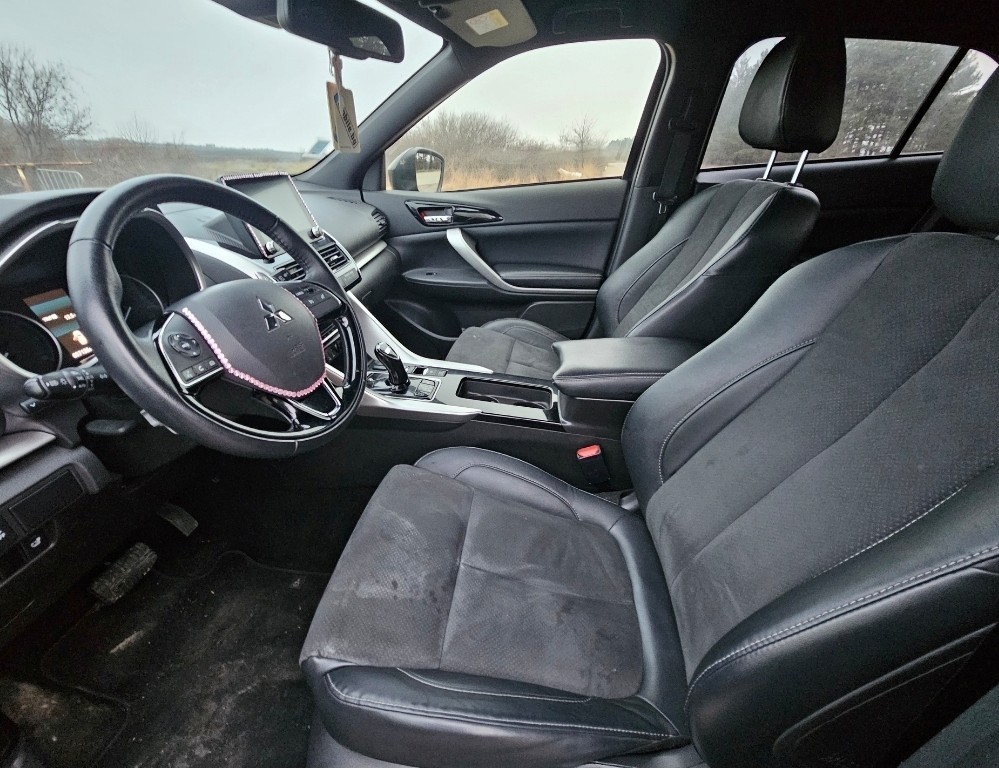
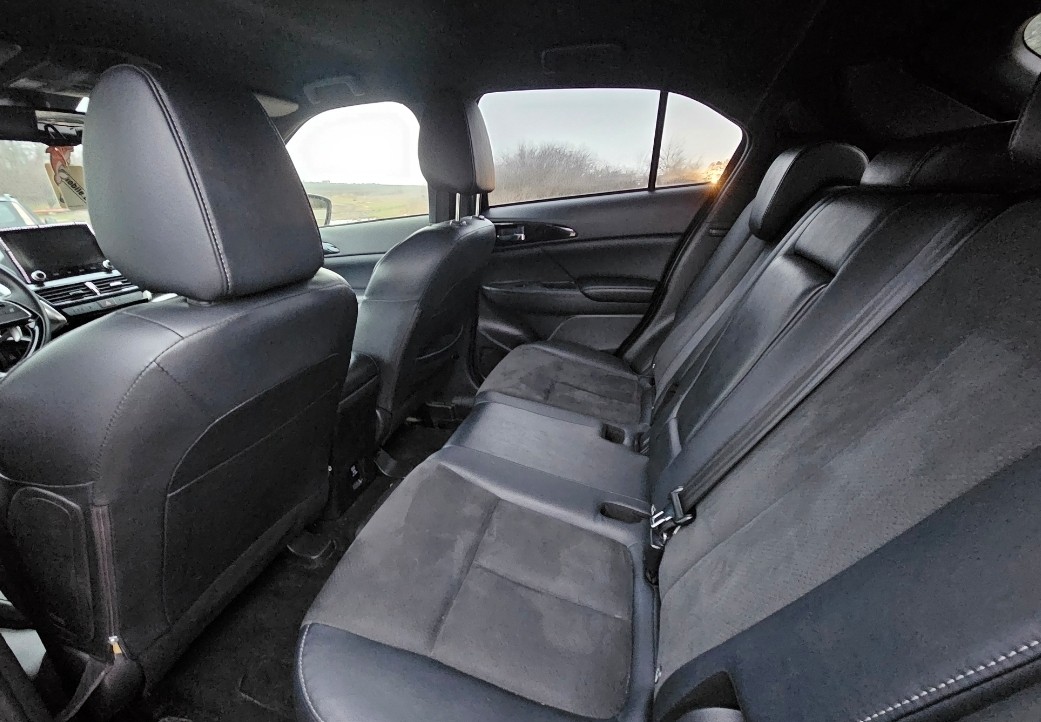
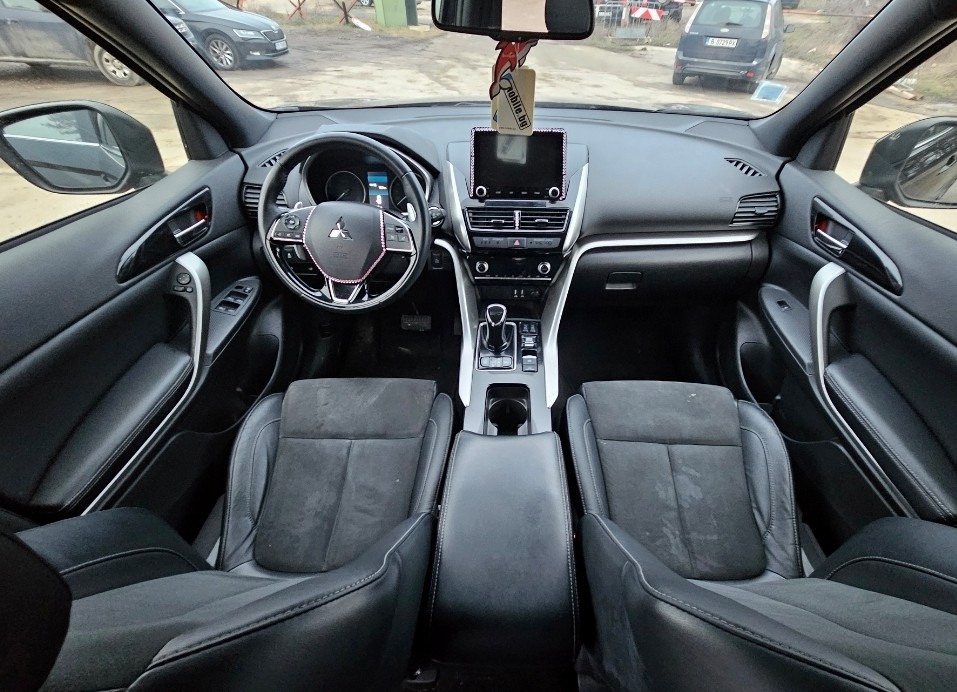
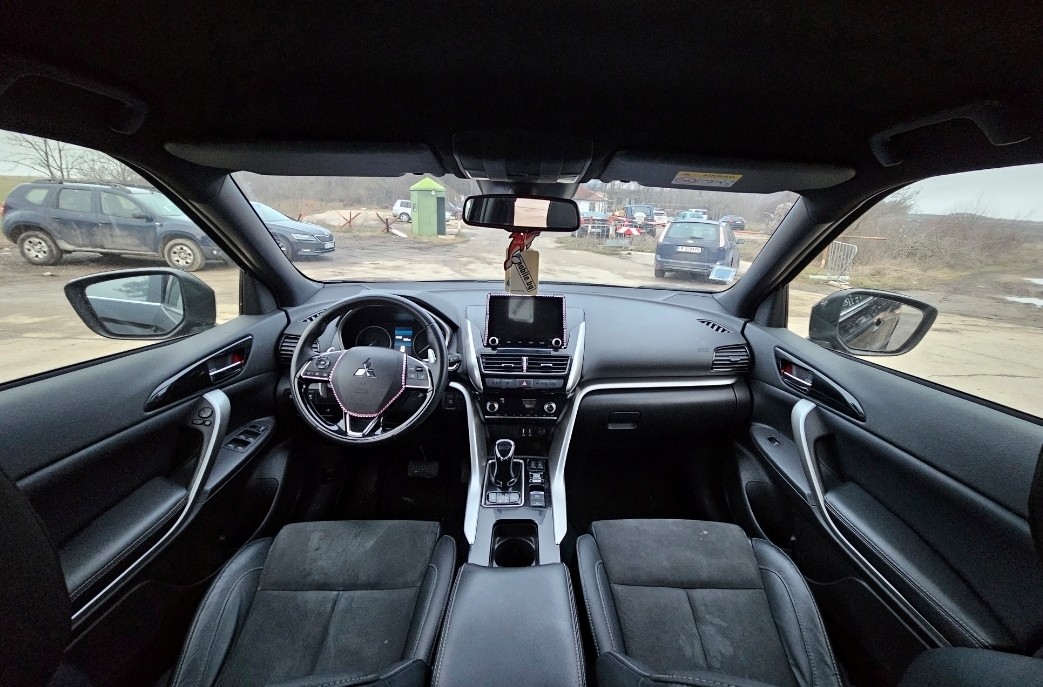
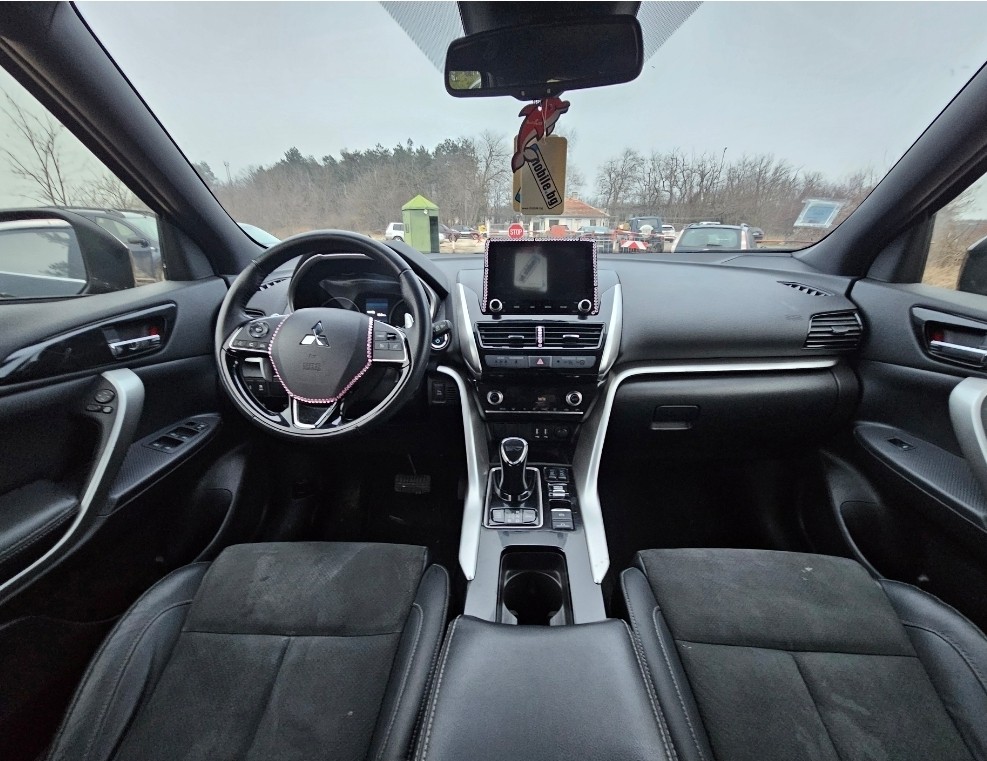
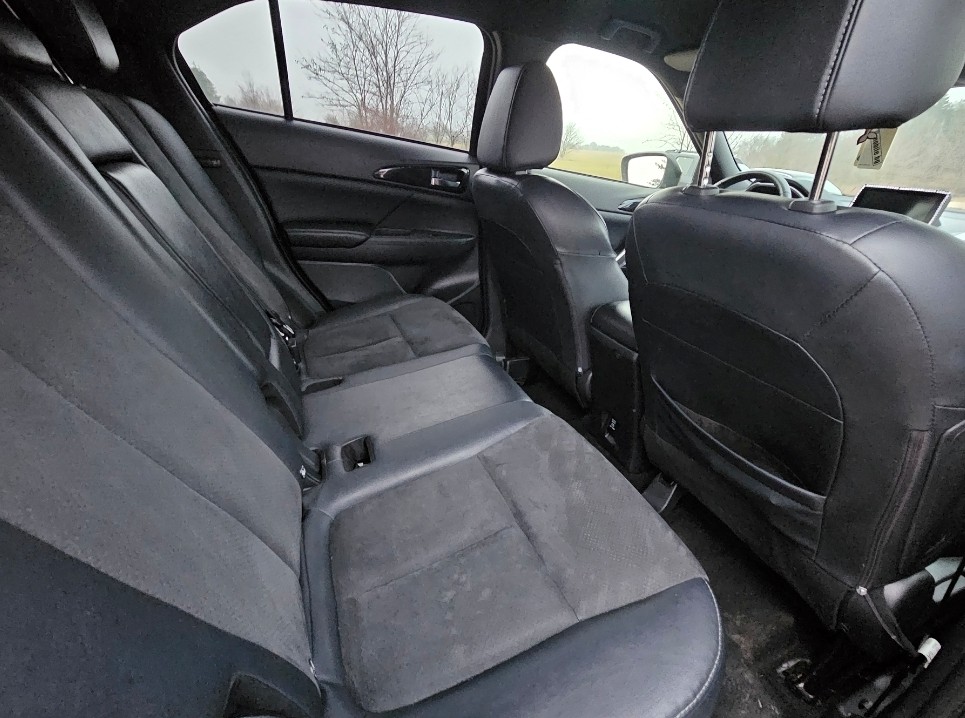
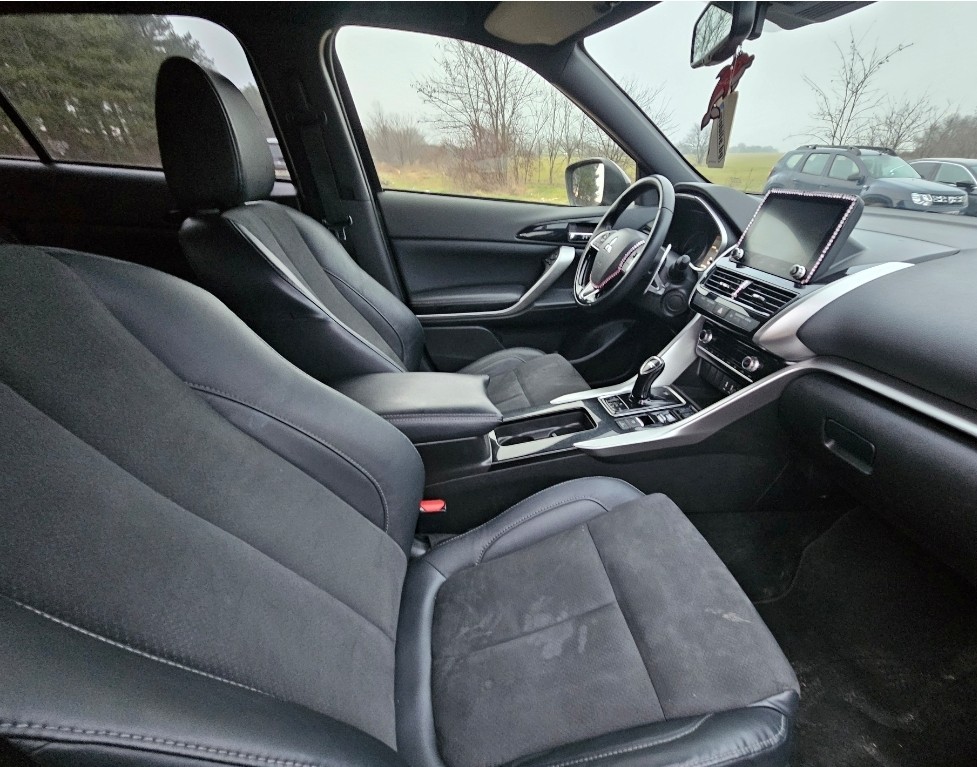
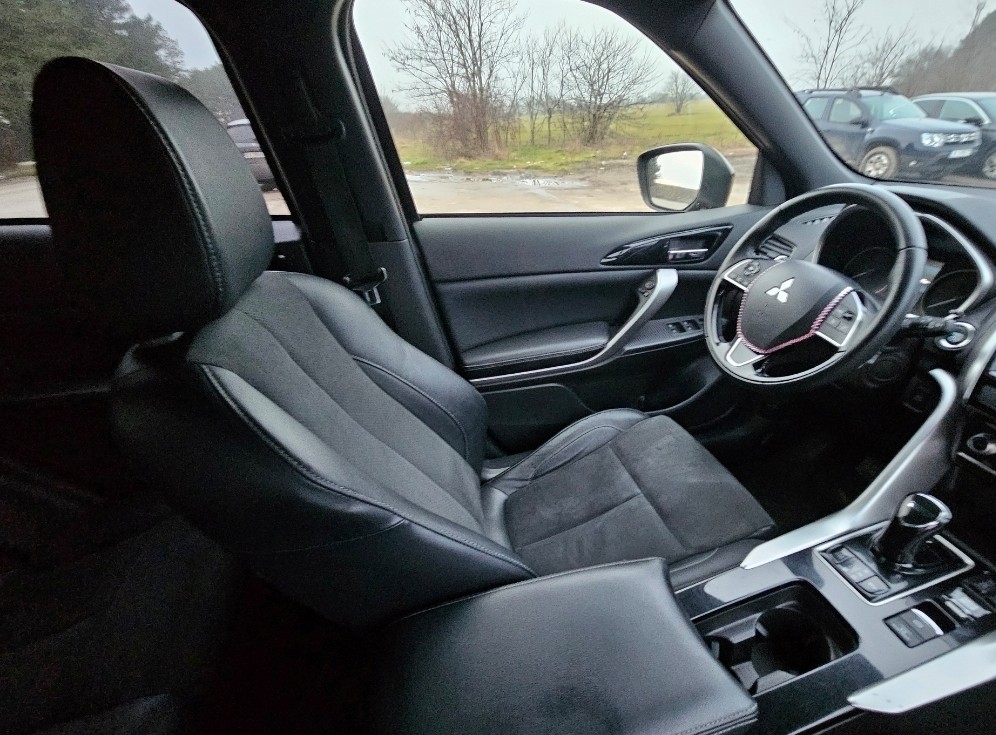
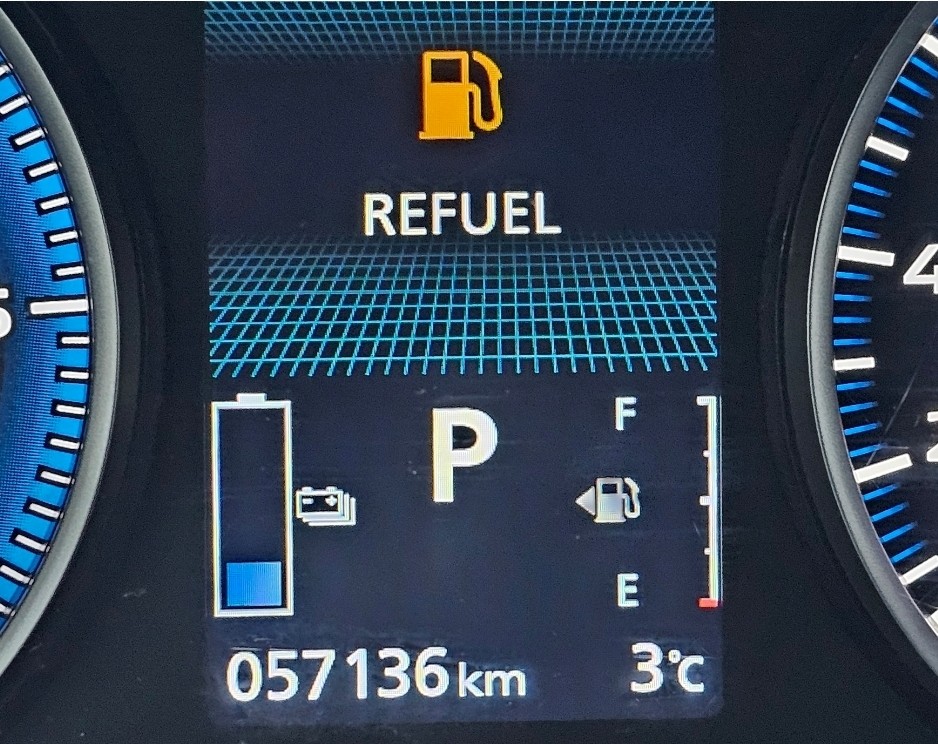
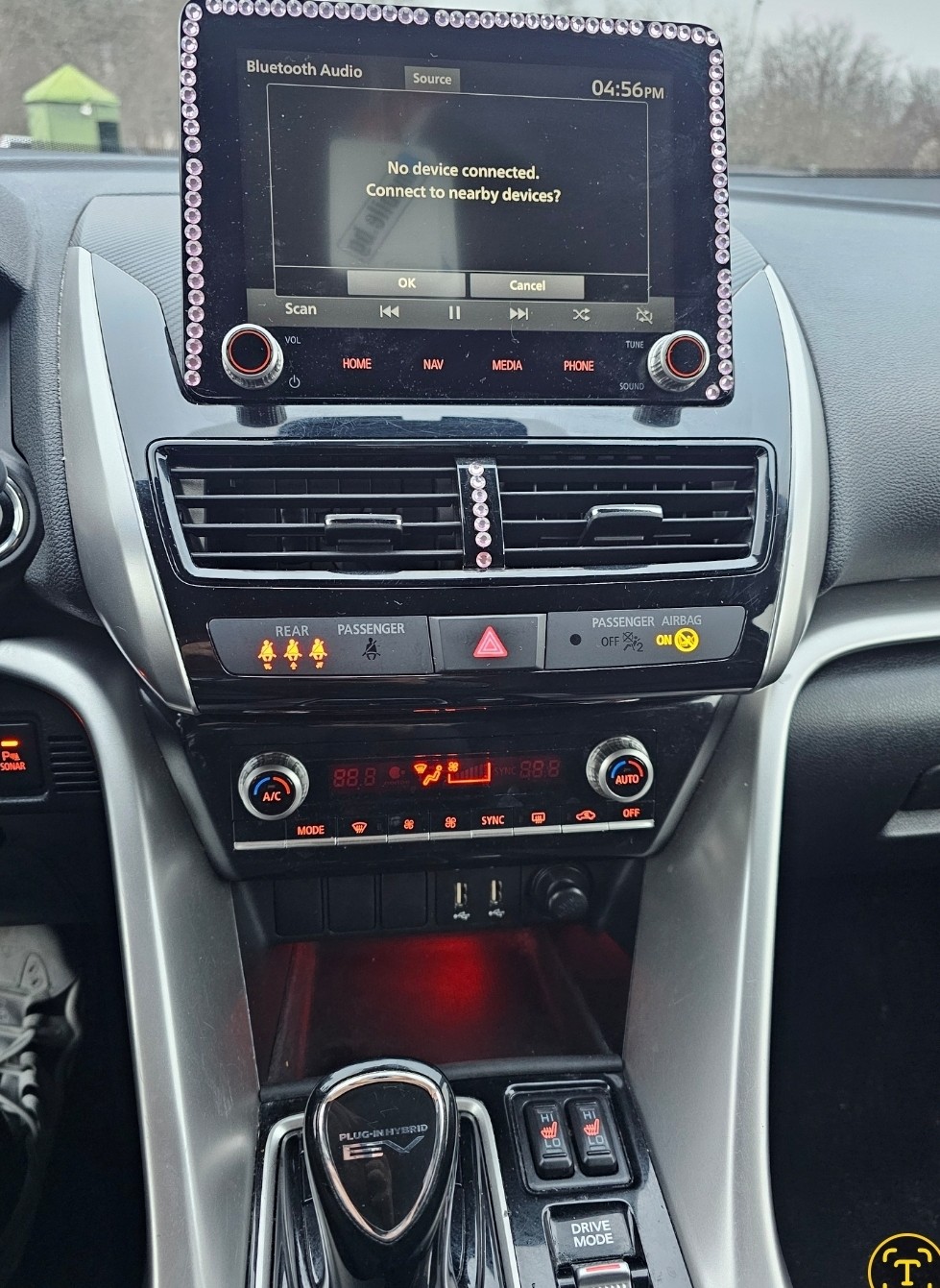
Here is a detailed outline of the benefits of a 2022 Mitsubishi Eclipse Cross PHEV (Plug-in Hybrid Electric Vehicle) with „Full Extras“ (typically meaning the top trim level, often called „Exceed“ or „Ultimate“ in various markets).
This vehicle appeals to a different set of priorities than a Tesla, focusing on practical hybrid transition, all-weather security, and value-packed comfort in a familiar SUV package.
I. Core Powertrain & Efficiency Benefits (The PHEV Advantage)
Best-of-Both-Worlds Flexibility: Combines a ~55 km all-electric range (WLTP) for daily commuting/errands with a 2.4L petrol engine for unlimited long-distance travel. This eliminates „range anxiety“ completely.
Very Low Daily Fuel Costs: For typical daily drives under 50 km, you can run purely on electricity, charging at home overnight at low off-peak rates. This makes local running costs a fraction of a standard petrol or diesel SUV.
Strong Combined Power & AWD: The hybrid system combines an electric motor on the rear axle with the petrol engine driving the front wheels, creating an instant, on-demand All-Wheel Drive system (S-AWC). Total system output is around ~135 kW, offering peppy acceleration from a standstill thanks to instant electric torque.
Significant Tax & Incentive Advantages: In many EU countries, PHEVs benefit from lower registration taxes, company car taxation (BiK), and access to low-emission zones, which can result in substantial upfront and yearly savings.
II. The „Full Extras“ / Top Trim Package Benefits
This transforms the vehicle from utilitarian to a well-equipped, comfortable SUV. Key features typically include:
Premium Comfort: Leather-appointed seats, multi-way power adjustment for the driver (often with memory), and heated front and rear seats. Dual-zone automatic climate control.
Advanced Safety Suite (Mitsubishi’s MiTEC): Comprehensive standard safety including:
Adaptive Cruise Control (ACC) with stop & go.
Lane Keep Assist (LKA) and Lane Departure Warning (LDW).
Autonomous Emergency Braking (AEB) with pedestrian detection.
Blind Spot Warning (BSW) with Rear Cross Traffic Alert (RCTA).
360-Degree Around-View Camera and Front & Rear Parking Sensors. This makes parking the unconventional coupe-SUV shape much easier.
Technology & Convenience: Larger touchscreen infotainment (often 9-inch) with Apple CarPlay & Android Auto (often wired), a colour Head-Up Display (HUD), a power tailgate, and a panoramic glass roof.
III. Practicality & All-Weather Capability
Mitsubishi’s Renowned S-AWC System: More than just AWD, the Super All-Wheel Control integrates AWD with stability and traction control. It offers selectable modes (Tarmac, Gravel, Snow) to optimize power delivery and braking for different conditions, providing genuine confidence in snow, ice, and wet roads.
SUV Practicality: Elevated driving position, good cargo space (though reduced slightly by the PHEV battery compared to the non-PHEV), and 60/40 split-folding rear seats. Roof rails are typically standard on top trims.
Proven Reliability: Mitsubishi’s mechanical components, particularly the naturally-aspirated petrol engine and hybrid system, have a reputation for ruggedness and long-term reliability with straightforward maintenance.
IV. Ownership & Cost Considerations
No Charging Dependency: Unlike a full EV, if you cannot charge, it simply operates as a (heavier) parallel hybrid, still offering reasonable fuel economy (~6-7 L/100km estimated).
Lower „Stress“ Transition to Electrification: For buyers not ready for a full EV’s charging lifestyle or who lack consistent home charging, the PHEV offers a perfect intermediary step with most EV benefits on short trips.
Strong Warranty: Mitsubishi typically offers a 5-year / 100,000 km new vehicle warranty, and the PHEV components (battery, drive motor) often carry an 8-year / 160,000 km warranty. A 2022 model will have substantial factory coverage remaining.
Summary: The Target Buyer & Value Proposition
The 2022 Eclipse Cross PHEV Full Extras is ideal for the buyer who wants:
Maximum Practical Flexibility: Electric for daily use, petrol for trips, without ever worrying about public charger availability on highways.
All-Weather Confidence: The capable S-AWC system paired with the instant torque of electric AWD provides excellent traction.
A Fully-Loaded, Comfortable Cabin: Top trim delivers a premium feel with leather, panoramic roof, and a comprehensive tech/safety suite.
Financial Sense: Lower purchase price than a comparable premium brand PHEV/EV, combined with tax benefits and low running costs for local driving.
Important Considerations (The Other Side):
Electric-Only Performance: When the battery is depleted, performance becomes more modest, and fuel economy decreases. It performs best with regular charging.
Charging Speed: AC charging only (no DC fast charging). A full charge on a 7kW home wallbox takes ~3-4 hours; on a standard socket, ~8 hours.
Driving Dynamics: It is a competent and comfortable cruiser, not a sporty driver’s car. The chassis is tuned for comfort and stability, not agility.
Space Compromise: The sloping „Eclipse Cross“ coupe-style roofline reduces rear headroom and cargo space compared to a boxier SUV like the Mitsubishi Outlander PHEV.
Infotainment: The system, while functional, may feel less seamless, fast, or feature-rich than those in modern competitors.
Conclusion: This vehicle is a smart, practical, and well-equipped choice for a household seeking a comfortable, all-weather SUV that can cover 80-90% of its local mileage on cheap electricity while retaining the complete freedom of a petrol engine for longer journeys. It delivers its benefits without the premium price tag of a German PHEV or the lifestyle shift required by a full EV.