
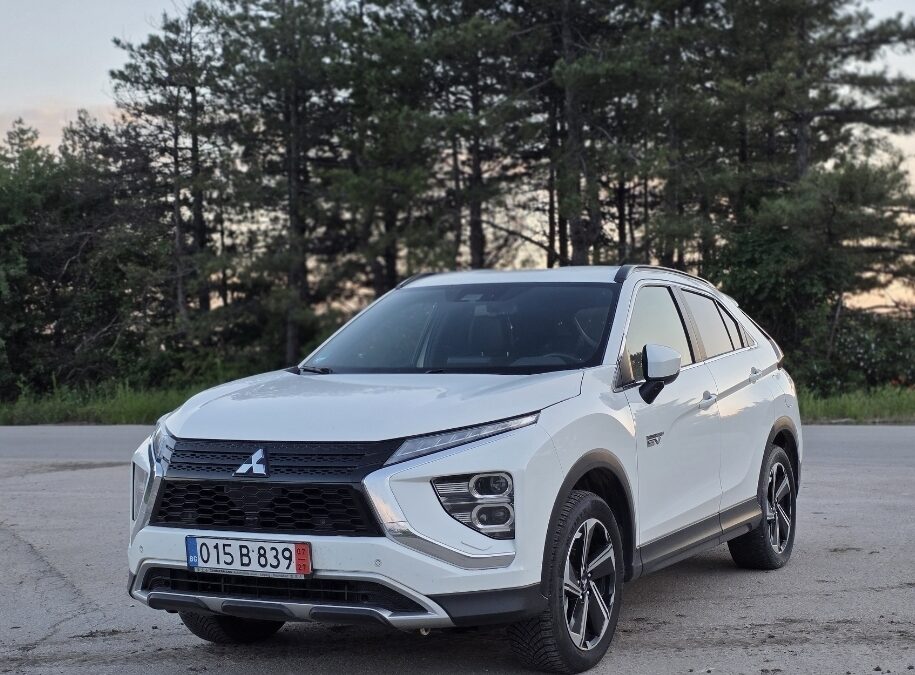
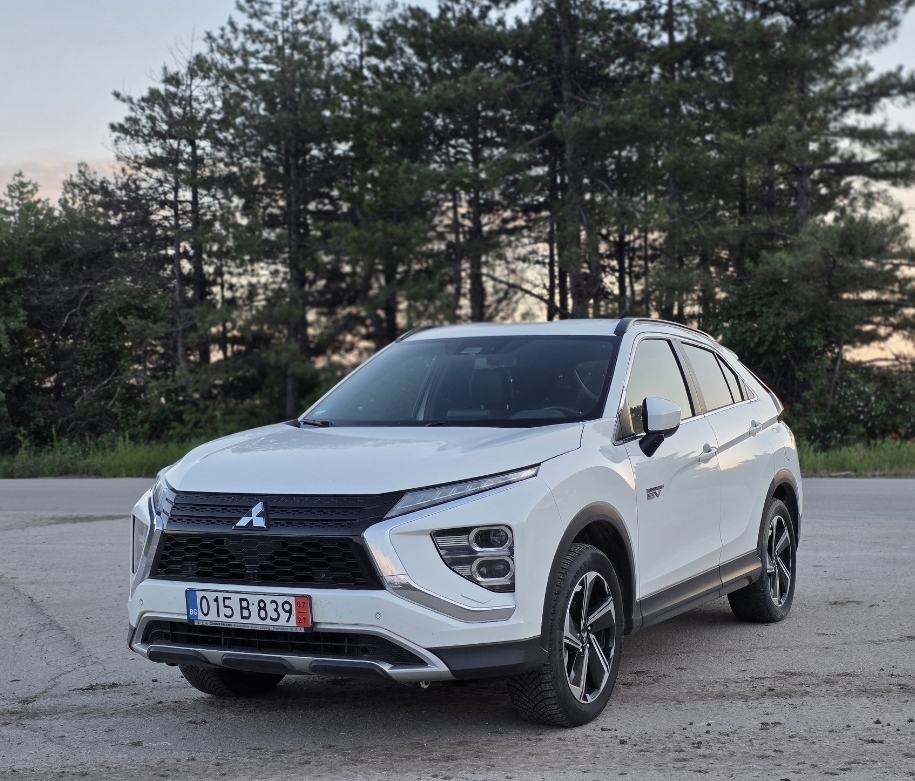
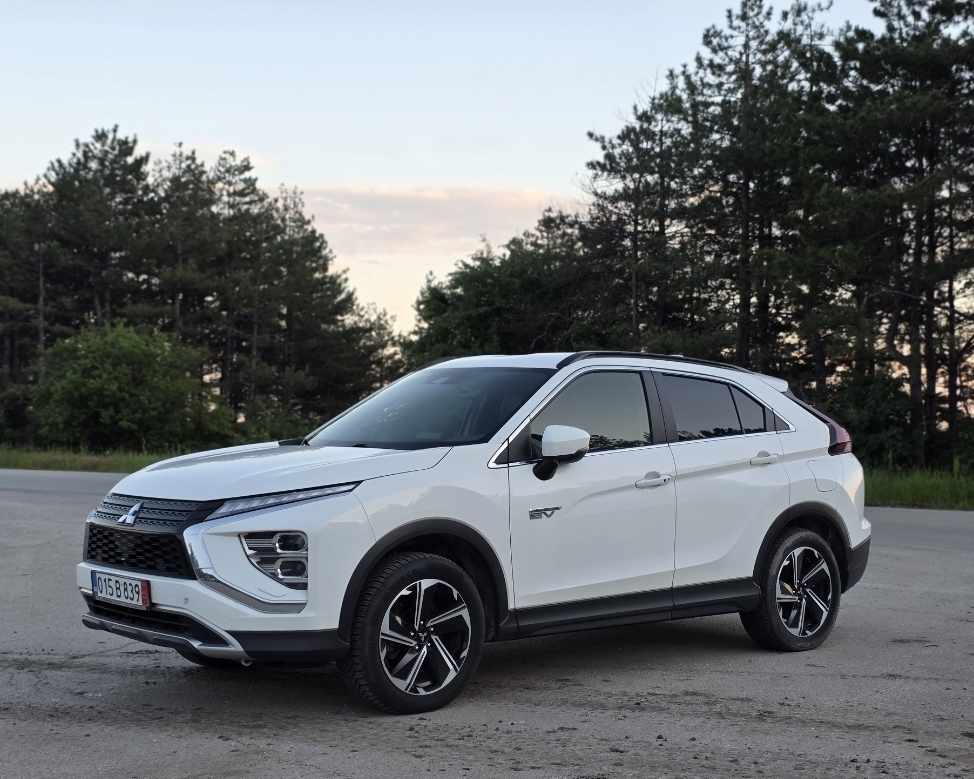
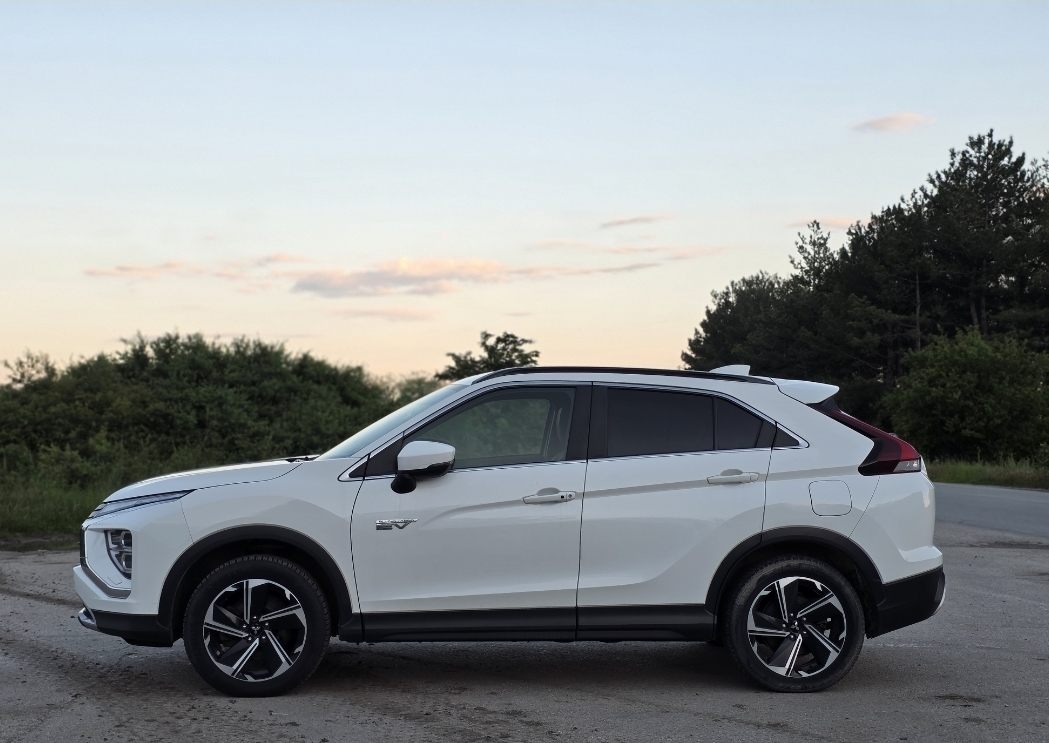
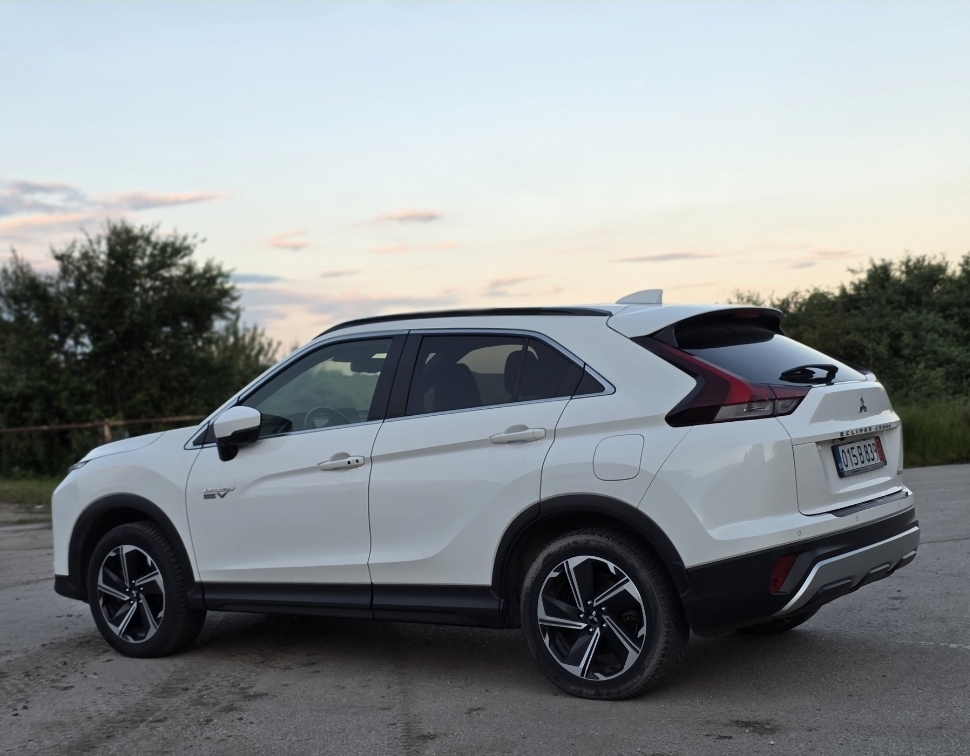
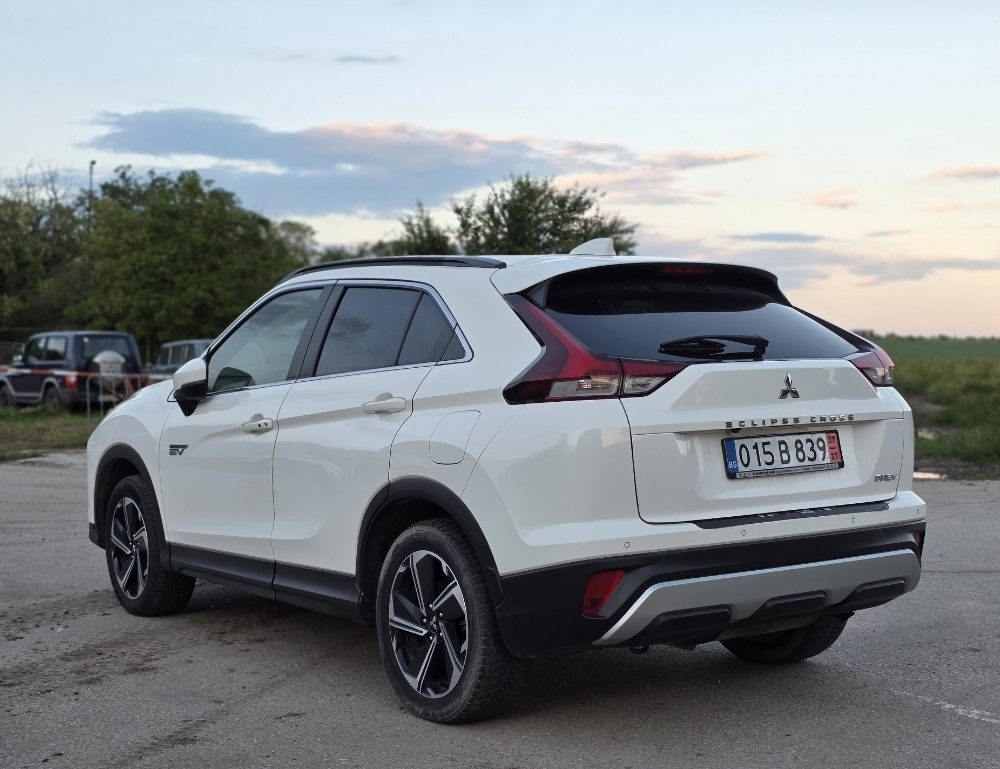
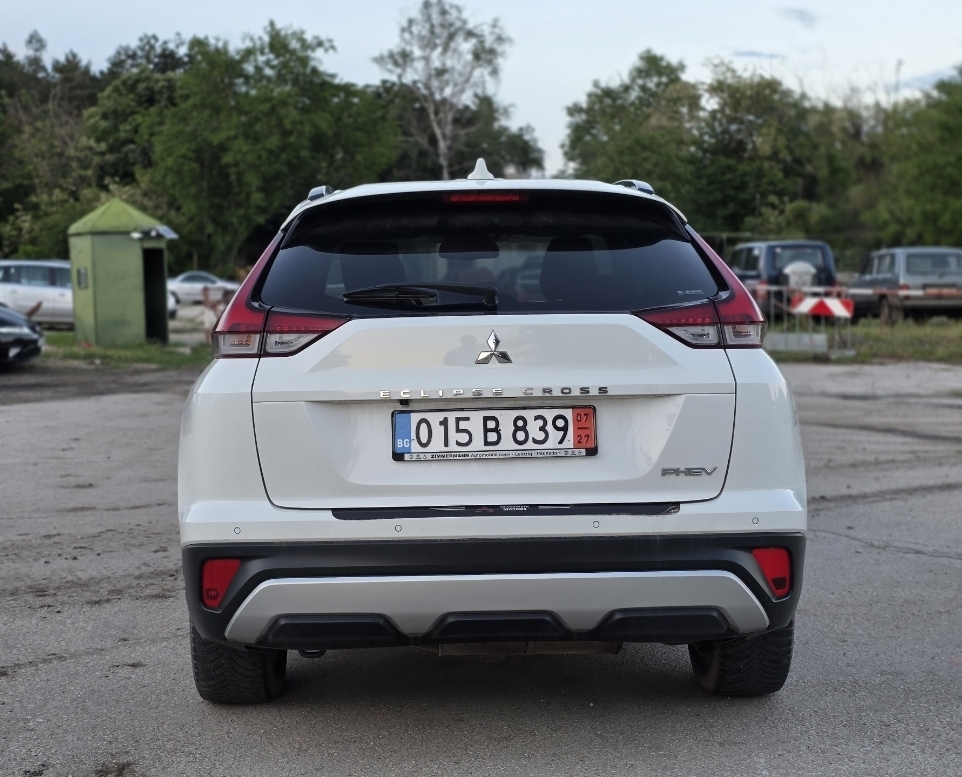
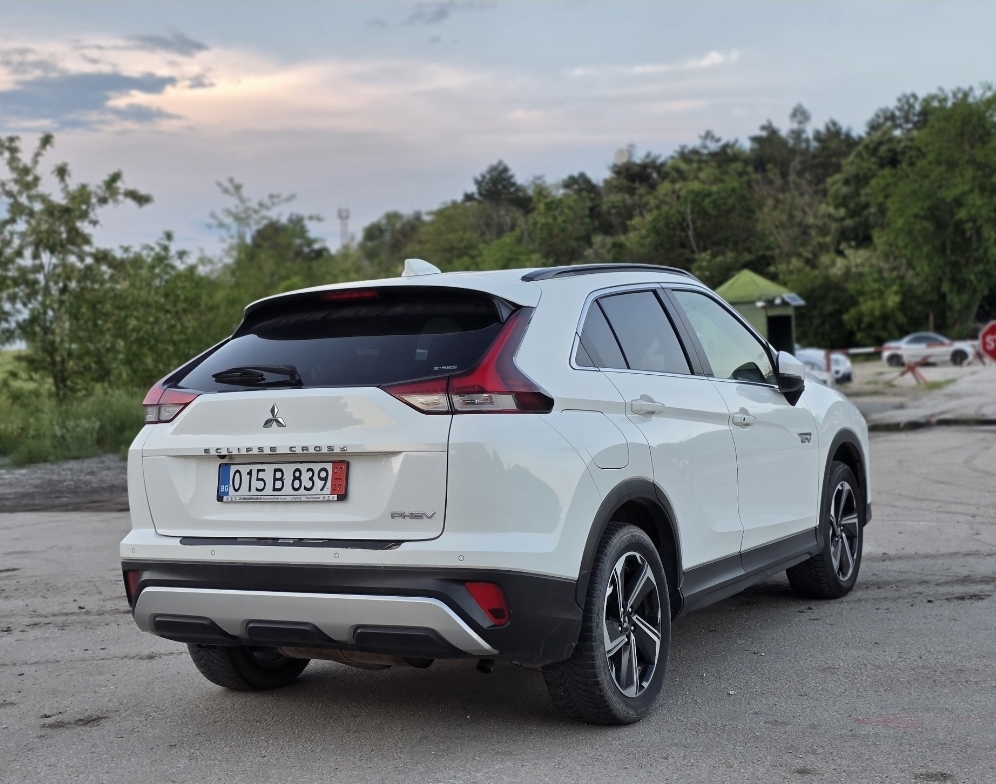
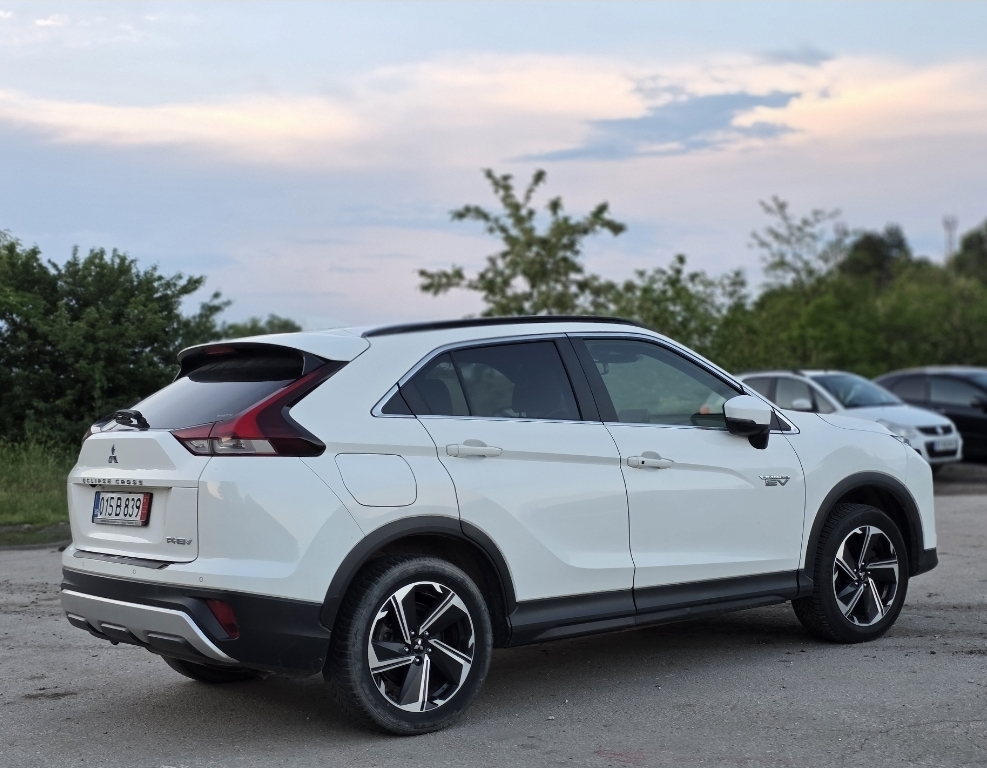
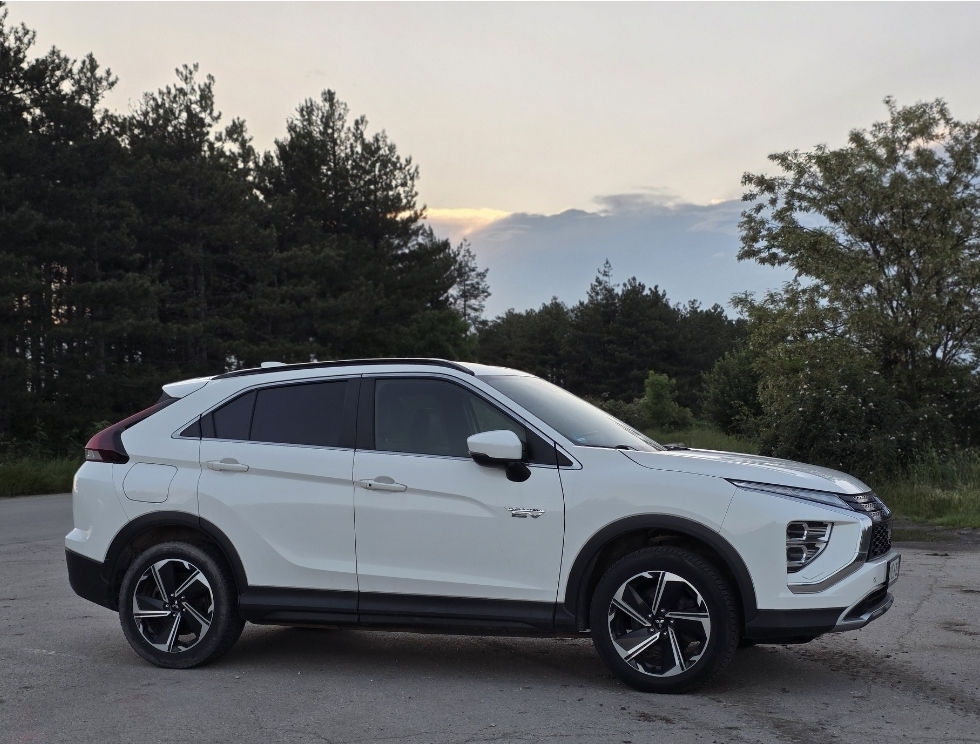
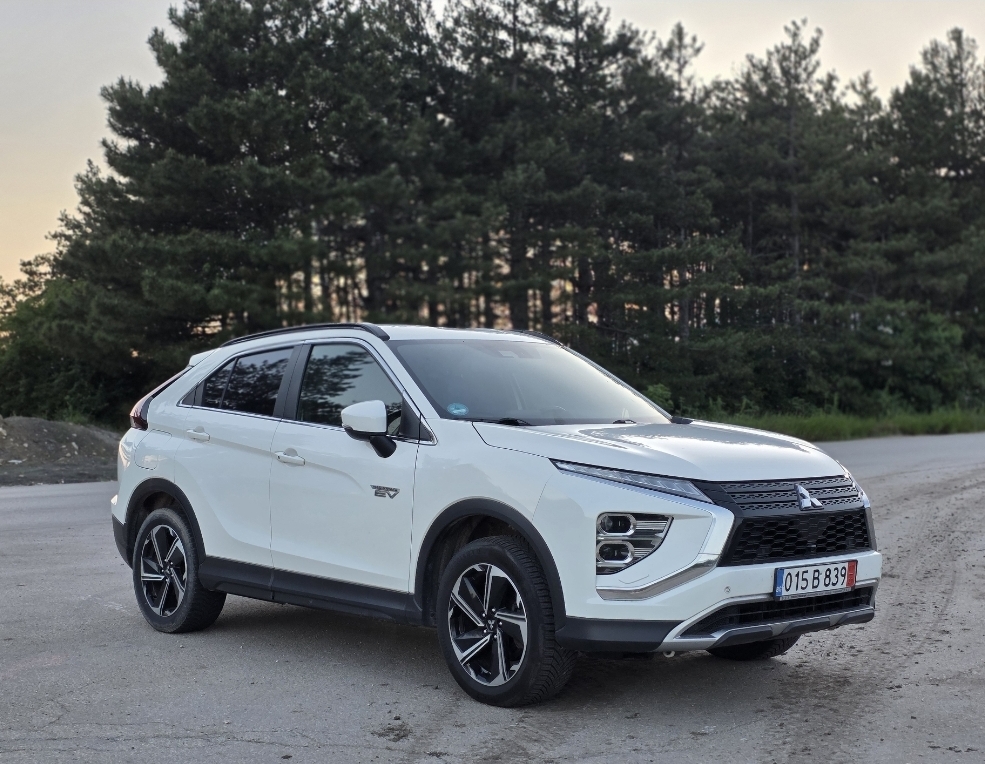
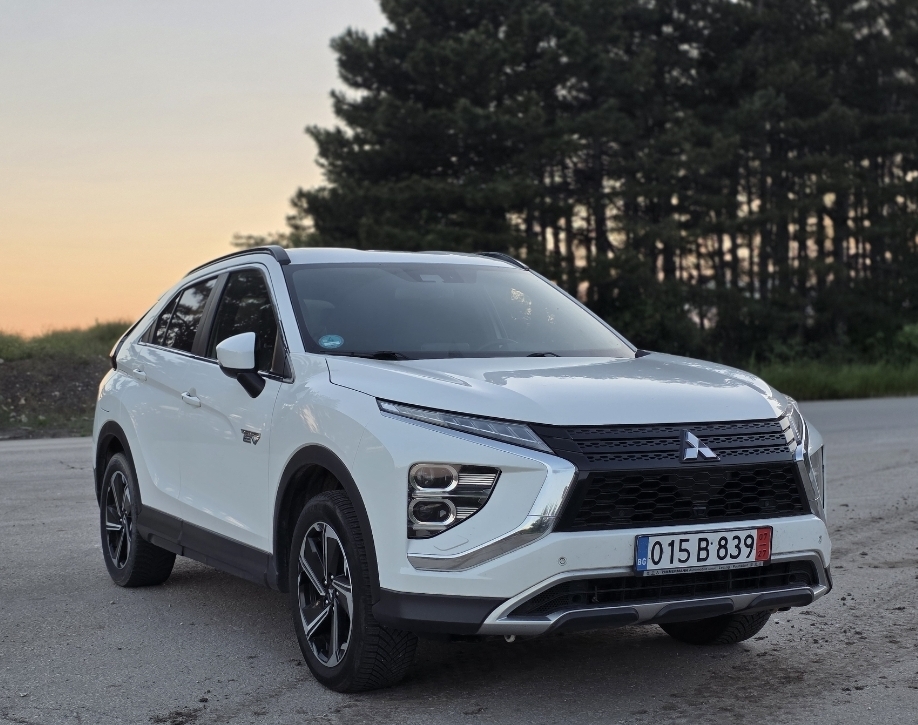
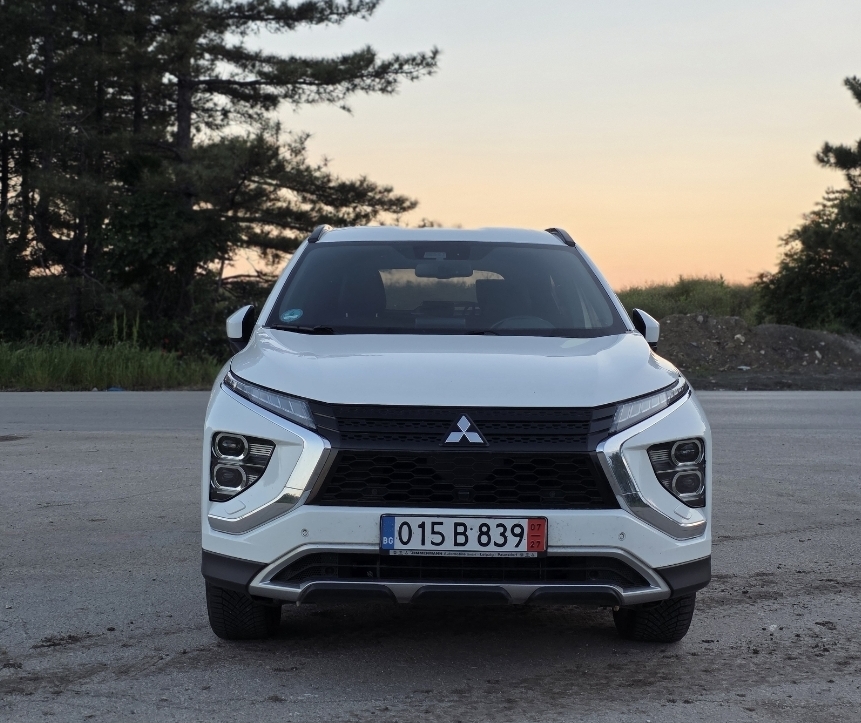
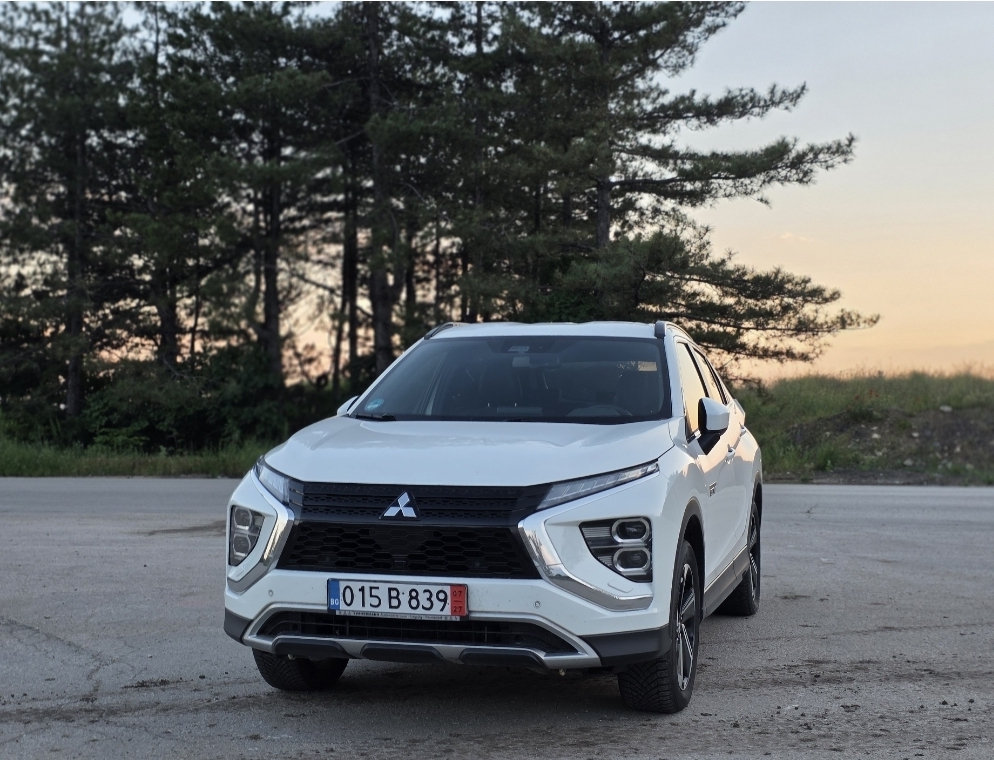
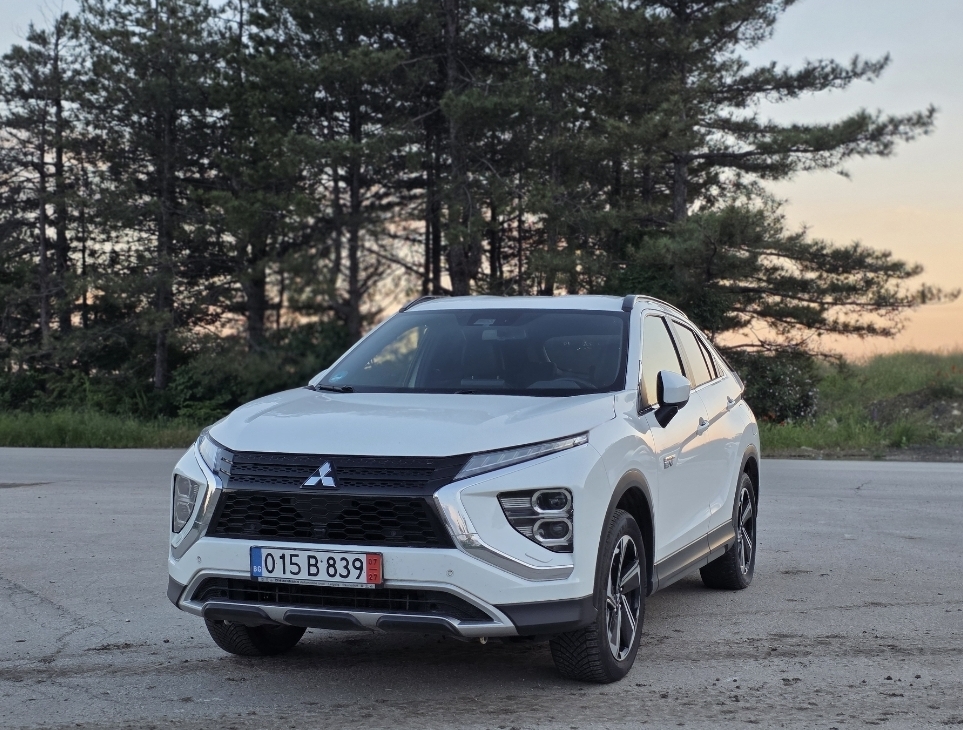
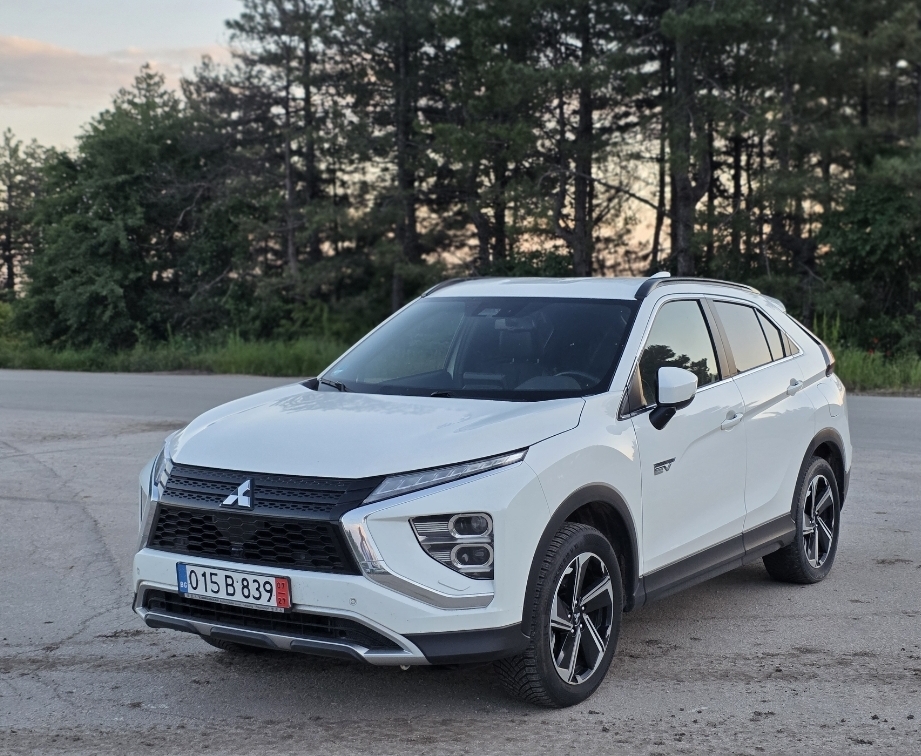
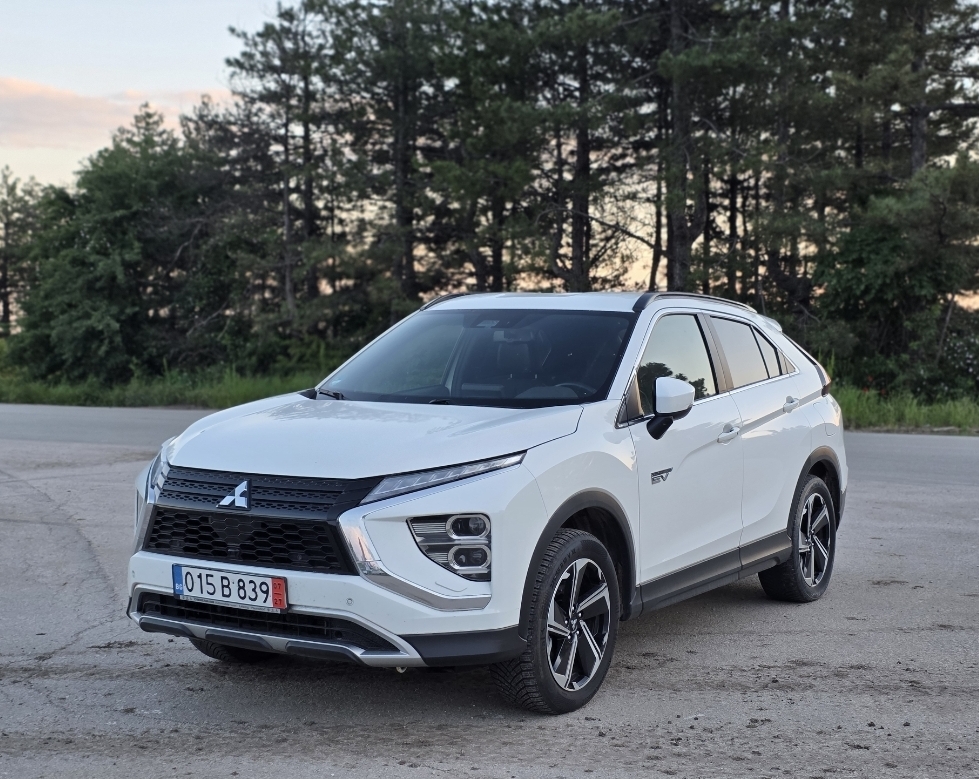
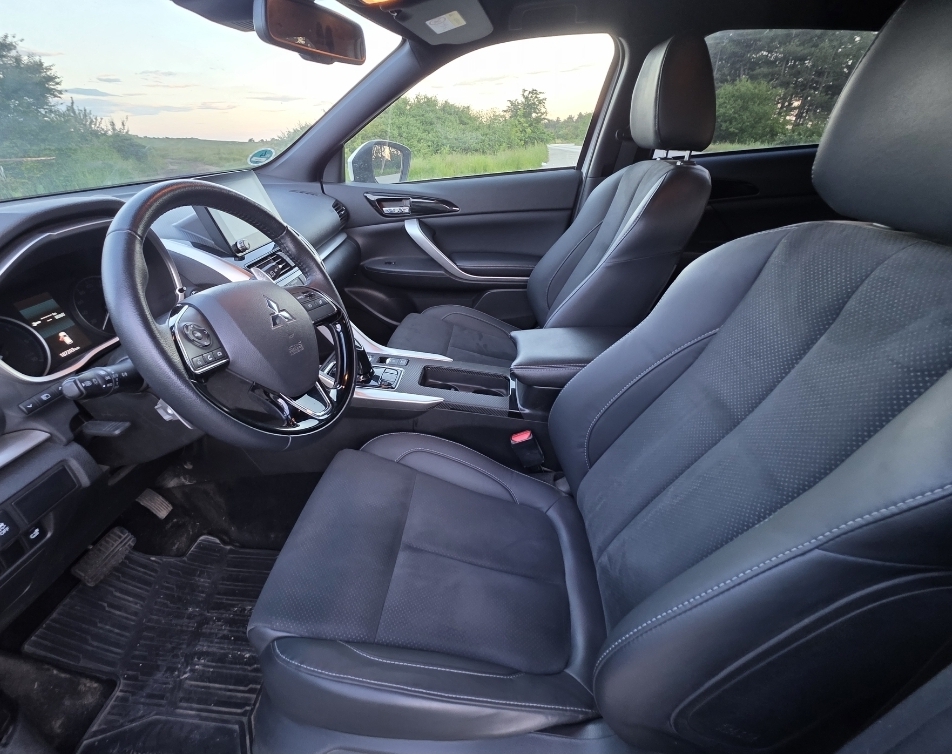
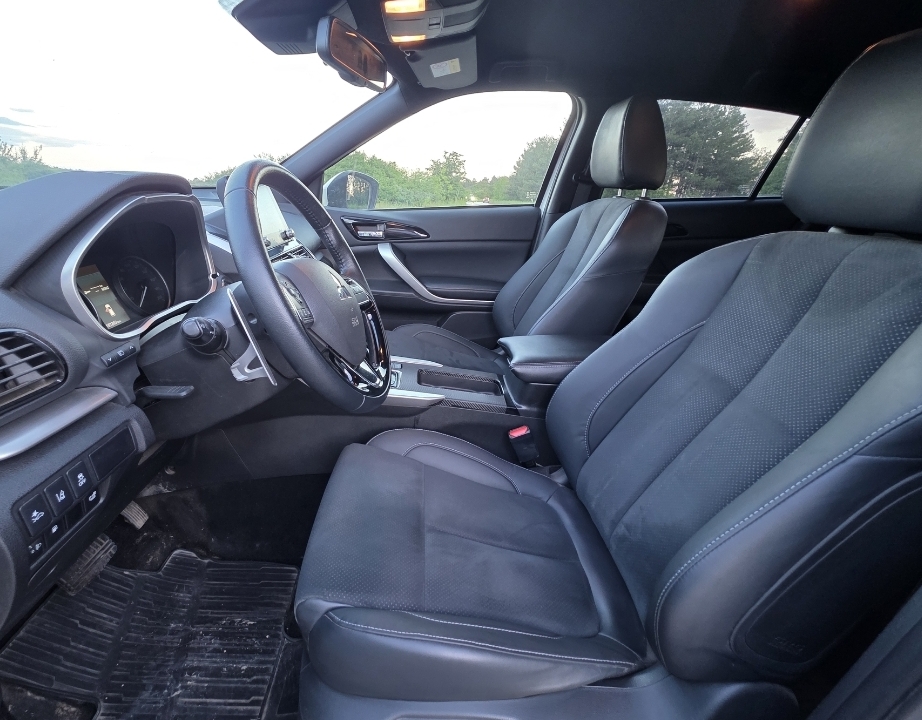
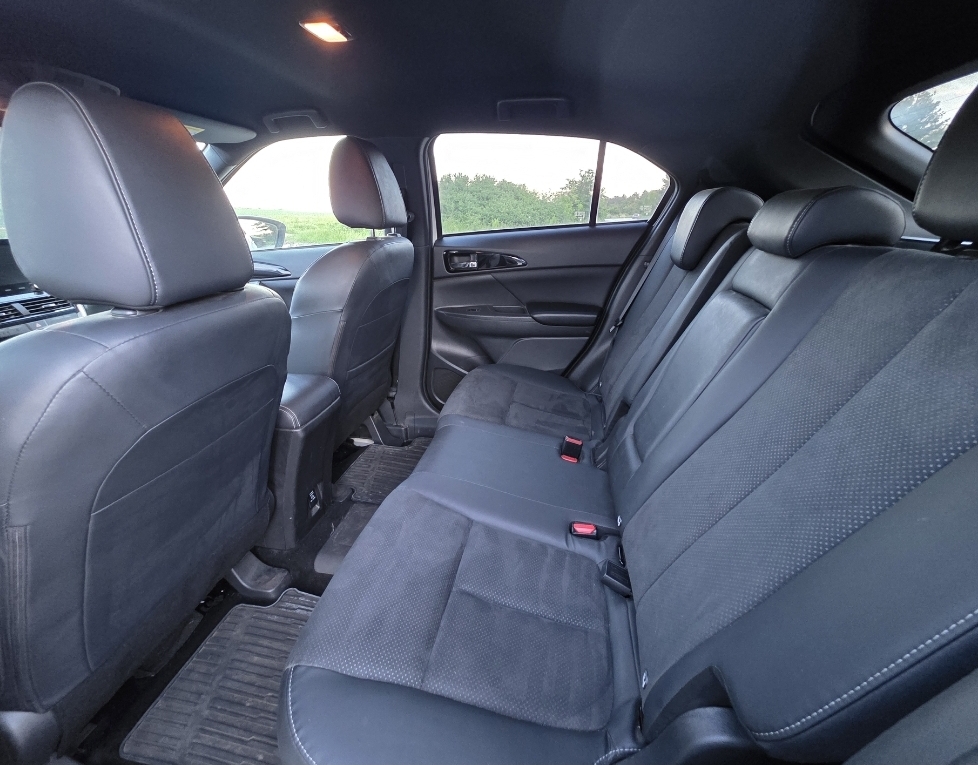
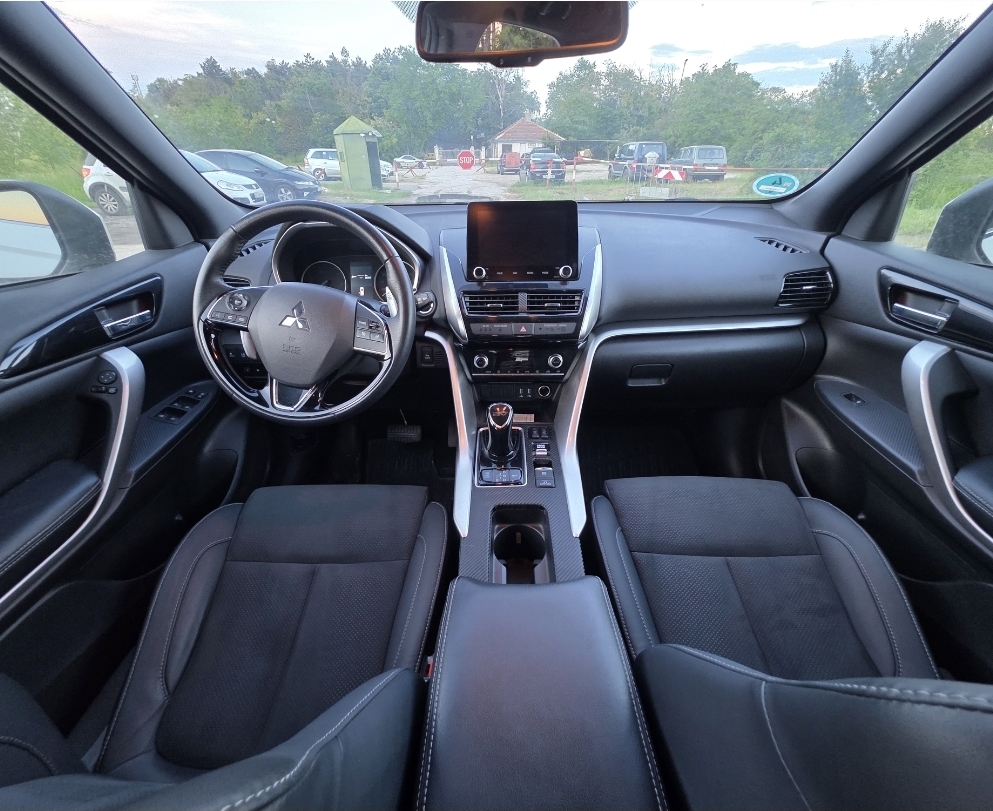
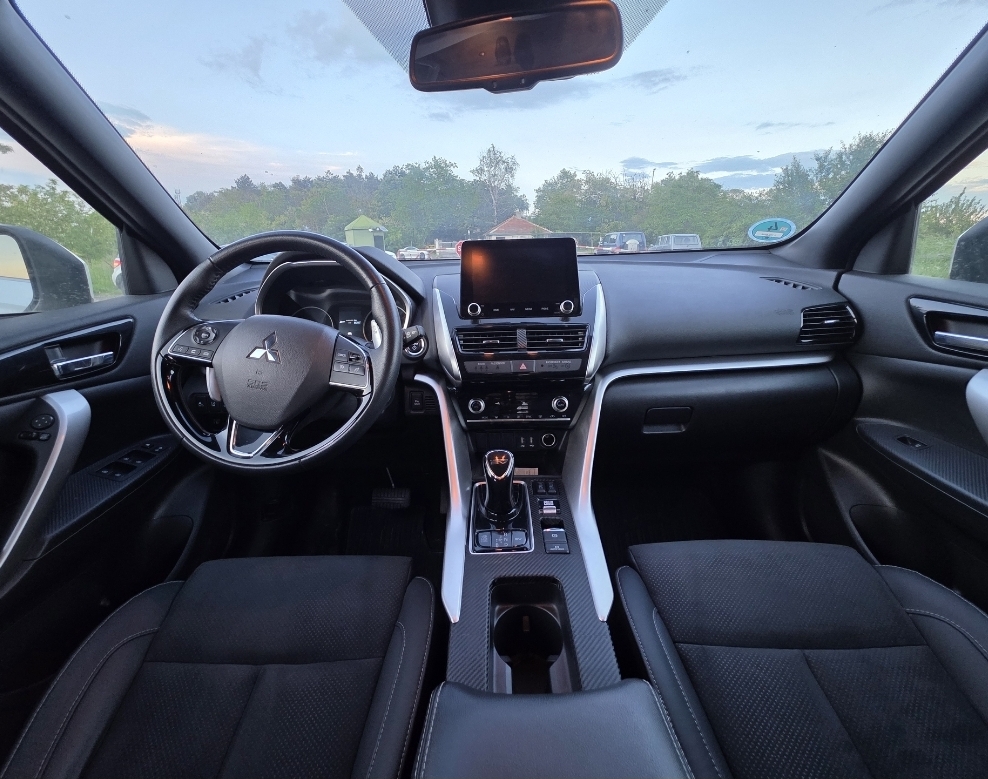
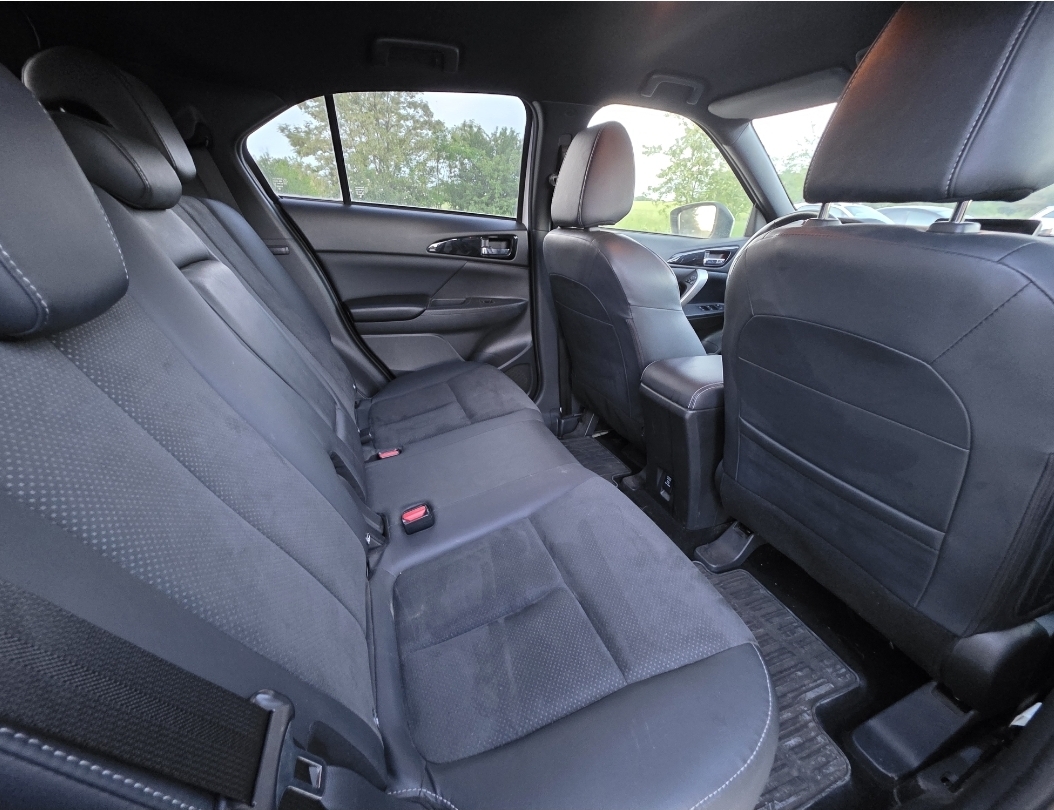
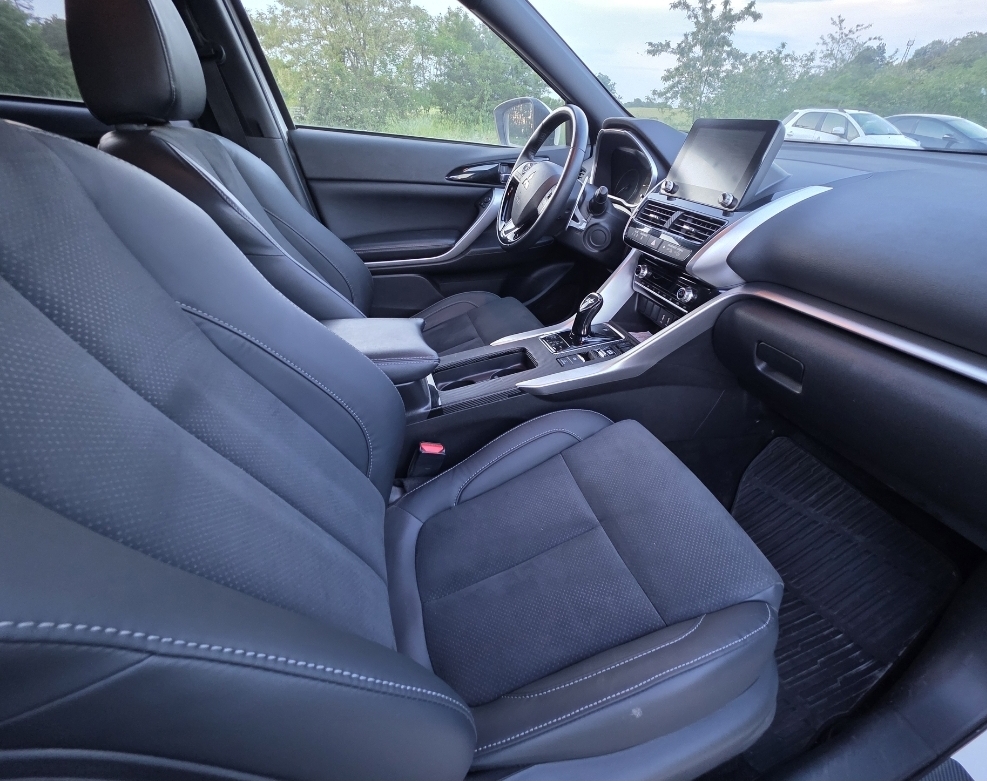
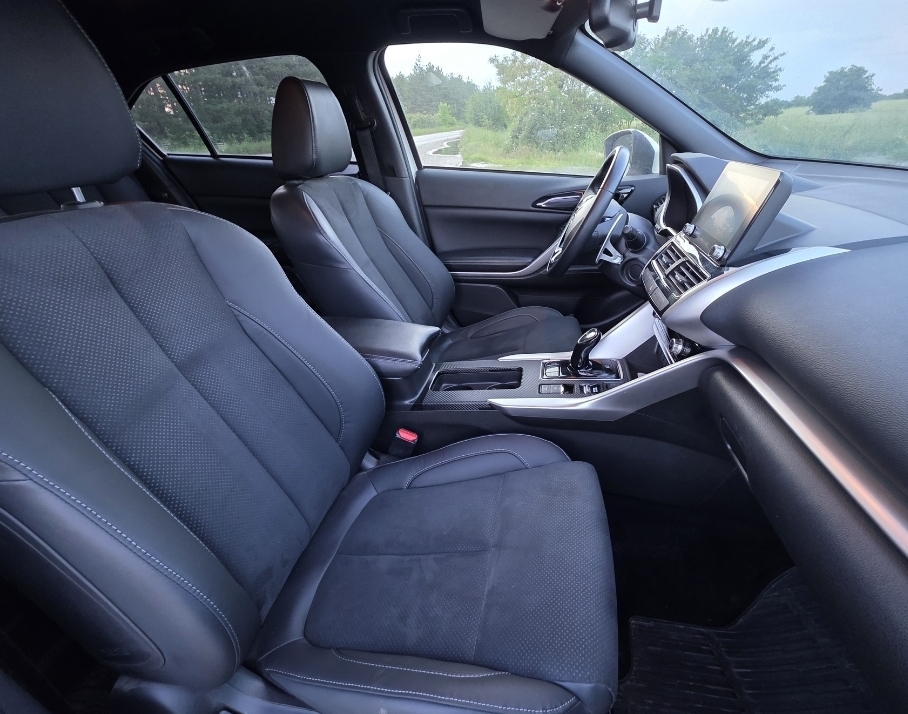
Here is the outlined breakdown of benefits for the 2022 Mitsubishi Eclipse Cross PHEV (Plug-in Hybrid Electric Vehicle) with „FULL Extras.“
Unlike the Teslas we’ve discussed, this is not about raw performance or autonomous driving. It is about practicality, energy security, and low running costs for drivers who aren’t ready for a full EV. The 2022 model year is significant because it represents the mid-cycle facelift, which fixed major complaints of the pre-2021 version.
1. The „2022“ Benefit (The Major Facelift Year)
The 2022 Eclipse Cross is dramatically different from the 2018-2020 version.
Rear Redesign: The old car had a „split rear window“ (ugly, poor visibility). The 2022 has a traditional hatchback design. Much better rear visibility and cargo access.
Interior Quality: The 2022 got a soft-touch dashboard, improved seats, and significantly reduced road noise (added sound deadening). The pre-2021 felt cheap; the 2022 feels like a proper €40k+ SUV.
Apple CarPlay / Android Auto (Wireless): The 2022 adds wireless smartphone mirroring. The old car required a USB cable.
Digital Instrument Cluster: The 2022 FULL Extras includes a 12.3-inch full digital driver display (configurable navigation, power flow, etc.).
Updated Shifter: Replaced the old weird „shuttle“ shifter with a conventional (or better-designed) electronic shifter.
2. The „PHEV“ Benefit (The Plug-in Hybrid Advantage)
This is Mitsubishi’s famous PHEV system (same as the Outlander, but smaller).
EV Range (Realistic): Officially ~45 km (WLTP). Realistically 35-40 km in summer, 25-30 km in EU winter.
Benefit: Most EU commutes are under 30 km. You can drive entirely on electricity daily, using zero petrol.
Home Charging: Plugs into a standard EU Schuko (Type F) outlet. Full charge in 4-5 hours (3.7kW onboard charger). No wallbox required for most people.
Parallel Hybrid System (No Range Anxiety): When the battery depletes, it becomes a regular hybrid (like a Toyota). It never needs to be plugged in if you’re on a road trip.
Fuel Economy (Hybrid Mode): ~2.0 L/100km if you charge daily. ~5.5-6.0 L/100km as a pure hybrid (no charging). For an AWD SUV, that is excellent.
EV Silent Driving: In city centers (Low Emission Zones in Paris, London, Berlin), you can drive silently and emissions-free. Many EU cities give PHEVs reduced or free access to LEZs (check local rules).
3. The „FULL Extras“ Benefit (Top Trim Level)
In the EU, „FULL Extras“ typically means the Instyle+ or Executive trim. This adds significant comfort features not available on lower trims.
| Feature | Benefit |
|---|---|
| Panoramic Sunroof (Twin Motorized) | Two glass roofs (front + rear) with electric sunshades. Rear passengers get their own roof. Very rare in this class. |
| Head-Up Display (HUD) | Projects speed, navigation, and PHEV power flow onto the windshield. Keeps eyes on the road. |
| 360° Camera (MI-PILOT) | Includes a „see-through“ mode (virtual under-car view). Invaluable for parallel parking in tight EU cities. |
| Heated Steering Wheel + Heated Rear Seats | Rear passengers get heated seats (often only front seats are heated in competitors). |
| Adaptive Cruise Control (ACC) + Lane Keep | Works from 0-180 km/h. Includes Stop & Go in traffic. |
| Rockford Fosgate Premium Audio | 710 watts, 9 speakers (including a subwoofer). Significantly better than the base system. |
| Power Tailgate (Hands-Free) | Kick sensor under the bumper. Essential when your hands are full of groceries. |
4. The „EU“ Benefit (Specific European Advantages)
EV Range Suits EU Commutes: The average EU one-way commute is 15-20 km. The Eclipse Cross covers the round trip on electricity alone.
Low CO2 Tax (Company Car Benefit): Official CO2 emissions are ~35-40 g/km. In many EU countries (Germany, France, Netherlands, Belgium), this qualifies for very low company car tax (BIK) . Private buyers save on road tax in some regions (e.g., London Congestion Charge exemption until 2025, free parking in some cities).
Compact Size for EU Cities: Length: 4.55m (shorter than a VW Tiguan, similar to a Nissan Qashqai). Width: 1.80m. Fits into standard EU parking spaces and narrow streets (unlike the massive Model X or Outlander PHEV).
Rear Seat Comfort (for Europe): The rear seats slide fore/aft and recline. This is rare in this segment. Makes long EU road trips (e.g., France to Spain) comfortable for rear passengers.
Towing Capacity (1500 kg braked): More than most compact SUVs. Can tow a small caravan, boat, or horse trailer. The PHEV’s electric motor torque makes towing effortless.
5. The „2022 PHEV“ Technical Benefits vs. Older PHEVs
Larger Battery (13.8 kWh vs 13.0 kWh): Slightly more range than 2020 version.
Faster Charging: Added a 3.7kW onboard charger (older was 3.3kW). Shaves 1 hour off full charge.
Better Power Flow: The 2022 allows you to manually hold the battery charge (e.g., save EV range for city driving at the end of a highway trip). Older versions automatically depleted the battery first.
Improved BMS (Battery Management System): Reduces degradation. The battery is air-cooled (not liquid), but for a PHEV, that’s fine because it never fast-charges.
The Caveats (Honest Warnings)
| Issue | Details |
|---|---|
| Slower than Teslas (Much Slower) | 0-100 km/h in ~10.5 seconds. It is not sporty. It is economical. |
| No DC Fast Charging (CHAdeMO removed) | The 2022 EU version dropped the CHAdeMO port. You can only AC charge at 3.7kW. No public rapid charging. This is fine (it’s a PHEV, you use petrol on long trips), but a surprise for some. |
| Boot Space (Compromised) | Because of the battery under the floor, boot space is ~360L (smaller than a VW Golf). The rear seats fold, but there’s a step. |
| Fake Exhausts / Styling | The rear has fake plastic exhaust finishers. Some find it tacky. |
| Engine Noise (When depleting) | When the petrol engine kicks in (highway, uphill), it is noisy and thrashy (2.4L Atkinson cycle, not refined like a BMW engine). |
| No Heat Pump | Cabin heating uses the petrol engine’s waste heat or a resistive heater. In winter, EV range drops significantly (to ~20-25 km). |
| Infotainment Slow (Base model) | With FULL Extras you get the better system, but even then, it’s not Tesla-fast. Acceptable, not great. |
| Warranty | Mitsubishi EU offers 5 years / 100,000 km. A 2022 car may have 1-2 years left (check original registration date). |
Verdict: Who is the 2022 Eclipse Cross PHEV FULL Extras for?
| Scenario | Recommendation |
|---|---|
| EU commuter with 20-30 km daily drive | ✅ Perfect – All-electric daily, petrol for weekends |
| Company car driver (tax-sensitive) | ✅ Excellent – Low CO2 = low BIK tax |
| Two-car household (replacing a petrol SUV) | ✅ Good – Reliable, practical, no range anxiety |
| First-time electrified vehicle buyer | ✅ Ideal – No „range anxiety“ training wheels needed |
| Performance enthusiast | ❌ No – It is slow and handles like a tall SUV |
| Long-distance highway commuter (100km+ daily) | ❌ No – You’ll just be driving a heavy, noisy hybrid (5.5L/100km). Buy a diesel or a full EV. |
| Someone needing DC fast charging | ❌ No – It doesn’t have it. If you want to rapid-charge, buy a full EV. |
| Family needing maximum boot space | ⚠️ Consider – The Outlander PHEV is much bigger, but more expensive. |
Bottom Line Price (EU Market, 2026)
| Condition / Mileage | Estimated Price |
|---|---|
| 2022, 30,000-50,000 km, FULL Extras | €24,000 – €29,000 |
| 2022, Low mileage (<20,000 km), FULL Extras | €29,000 – €33,000 |
| New price (2022) | ~€48,000 – €52,000 |
Depreciation: This car has taken a massive hit (40-50% loss in 4 years). That’s good for you as a used buyer. It is now correctly priced.
Final Recommendation
The 2022 Mitsubishi Eclipse Cross PHEV FULL Extras is the smart appliance of the PHEV world.
Buy it if: You drive less than 40 km/day, want to run on cheap electricity 90% of the time, need occasional long trips without charging anxiety, and want a well-equipped, practical SUV for €25k-€30k.
Do NOT buy it if: You want speed, need to DC fast charge, or drive mostly highway miles (buy a full EV or a diesel).
Competitors to consider:
2021+ Toyota C-HR PHEV (or RAV4 PHEV): More refined, better reliability, but more expensive.
2020+ Ford Kuga PHEV: Similar price, more boot space, but less reliable PHEV system.
2021+ MG HS PHEV (EU): Cheaper, more features, but less dealer support.
2020+ Hyundai Tucson PHEV: Better interior, more efficient, but €5k-€8k more.
For your use case (Eclipse Cross PHEV, FULL EXTRAS, 2022): At €26k-€28k, it’s a great deal. Just verify the service history (Mitsubishi requires annual dealer service for battery warranty) and that the 12V battery (small auxiliary battery) has been replaced (they fail every 3-4 years).