
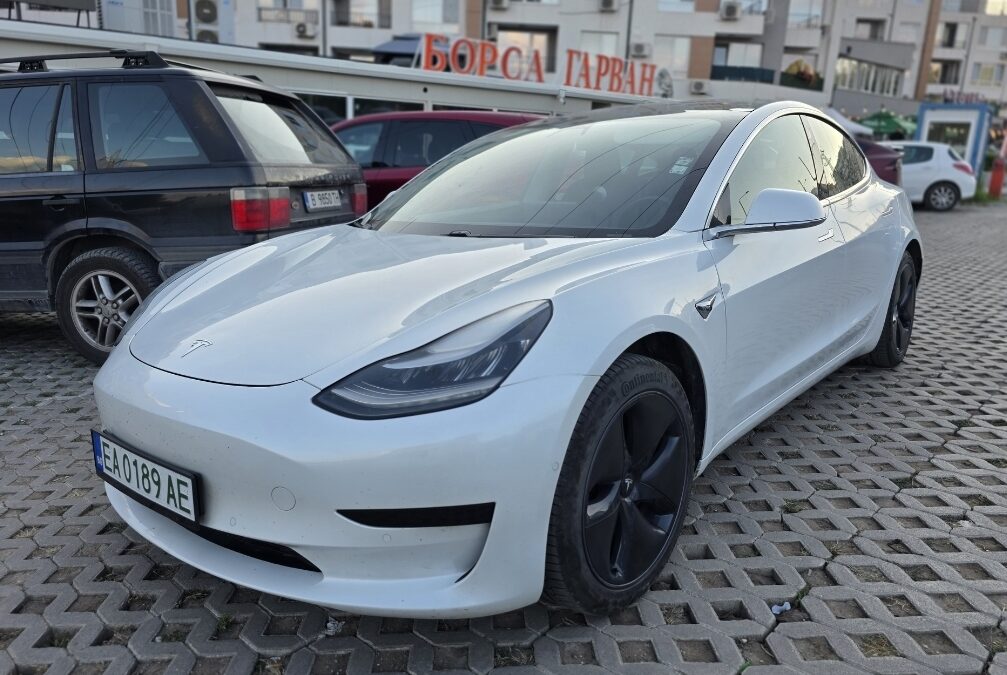
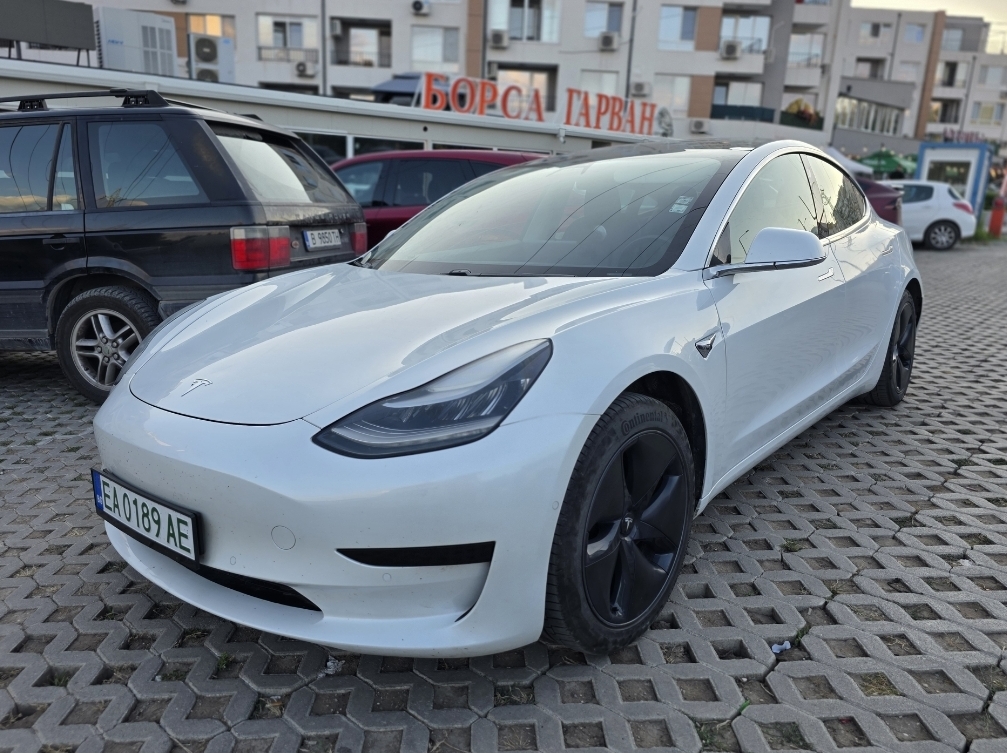
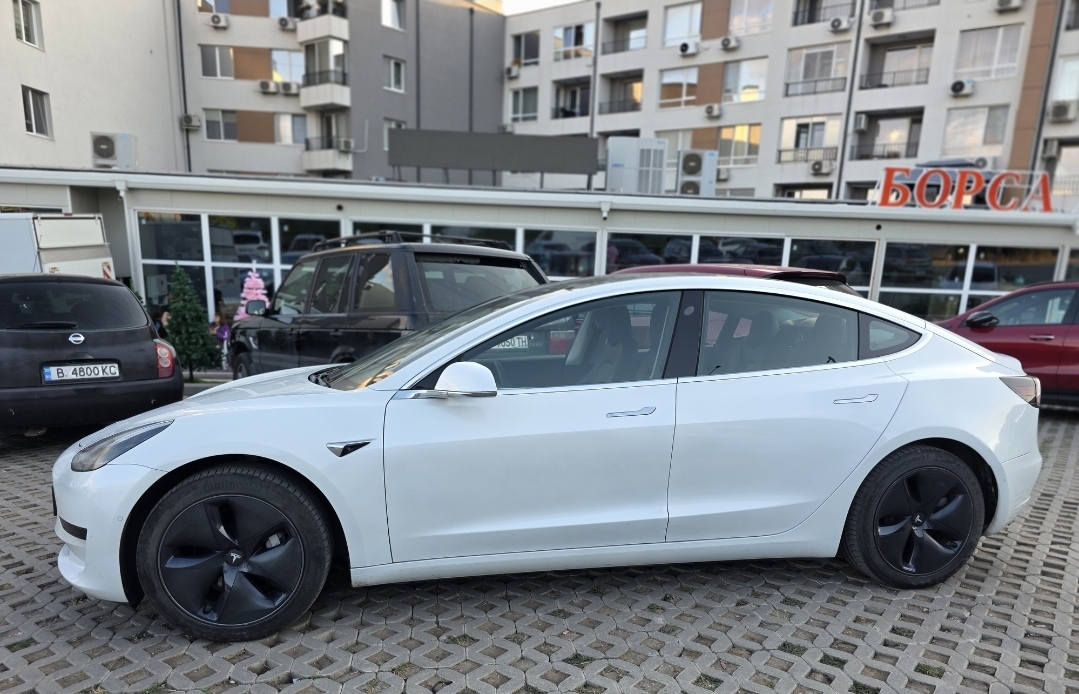
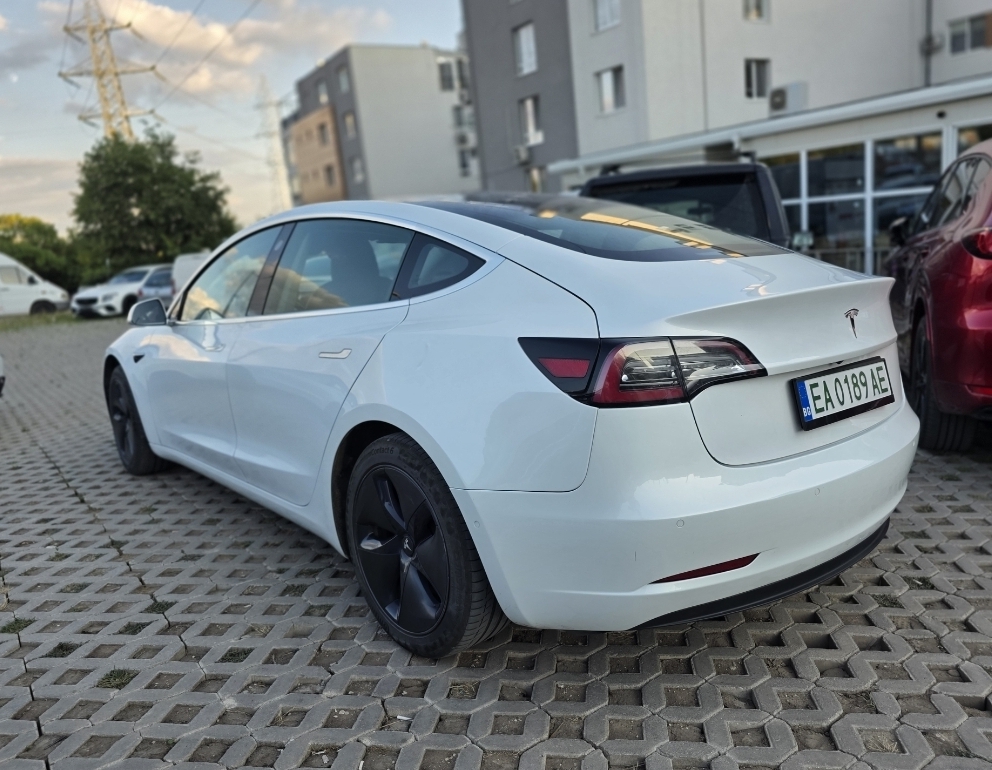
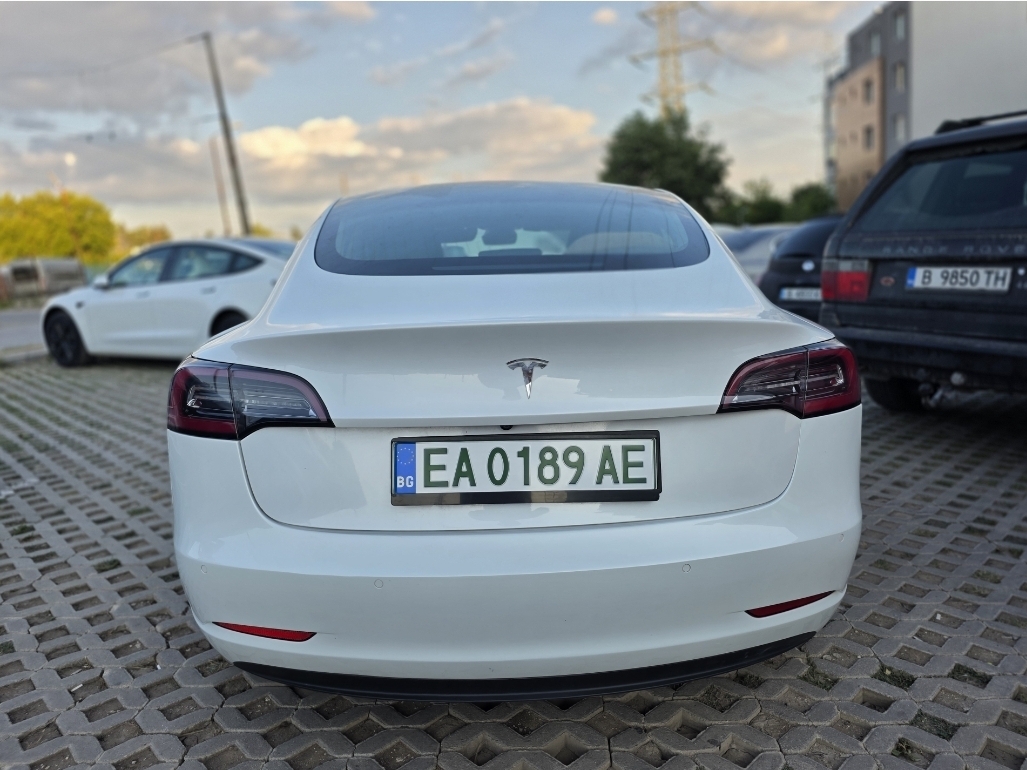
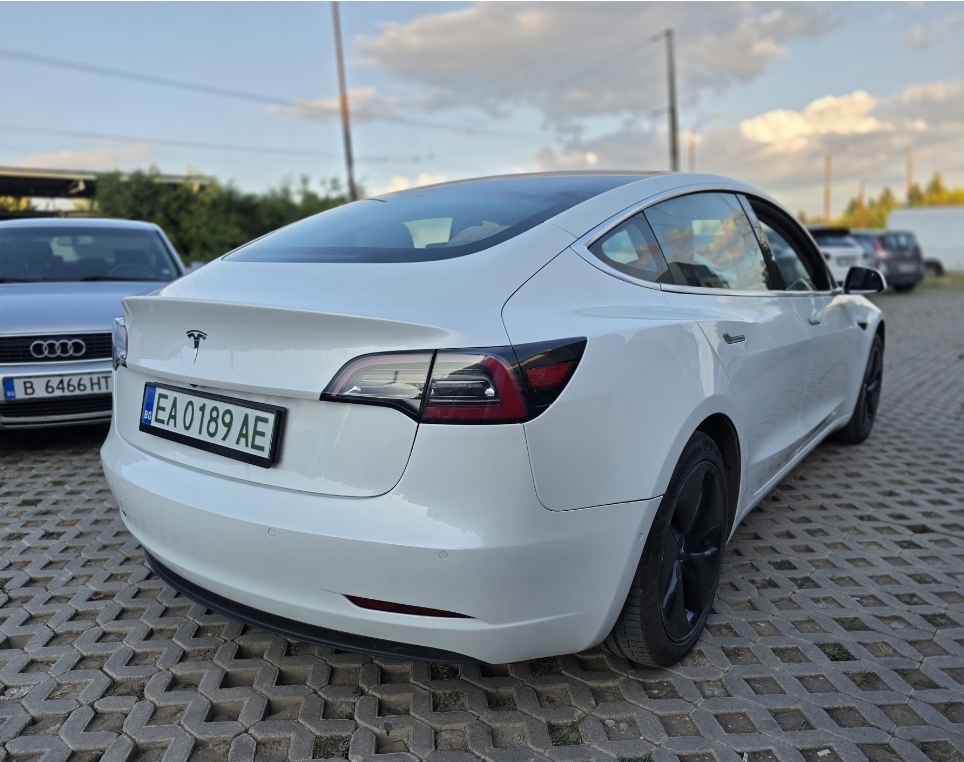
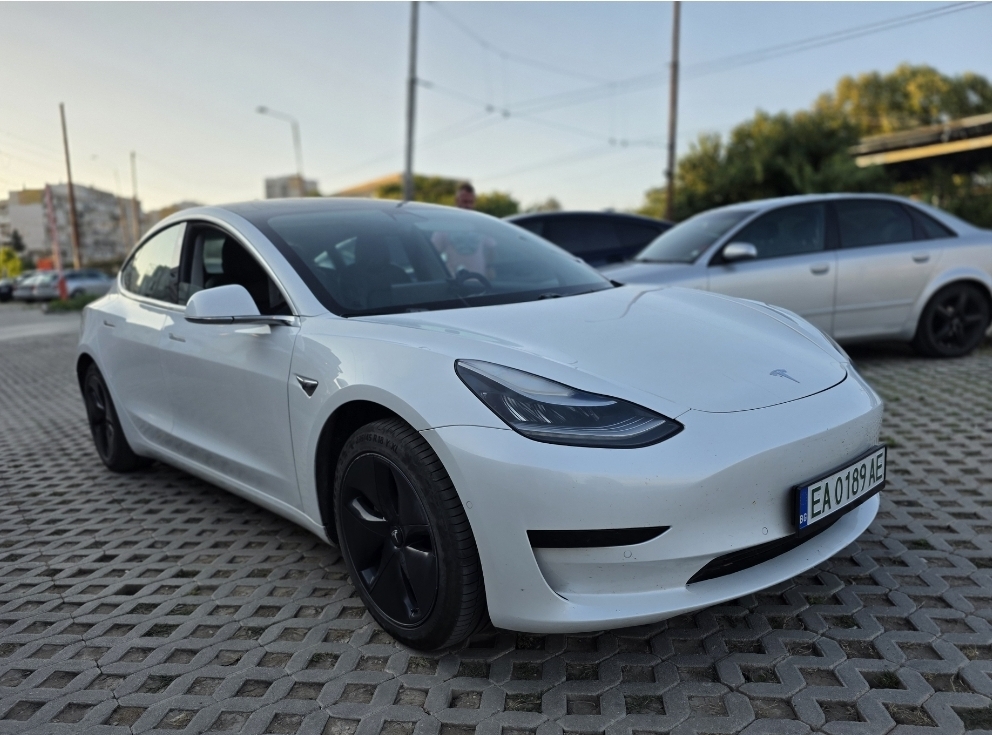
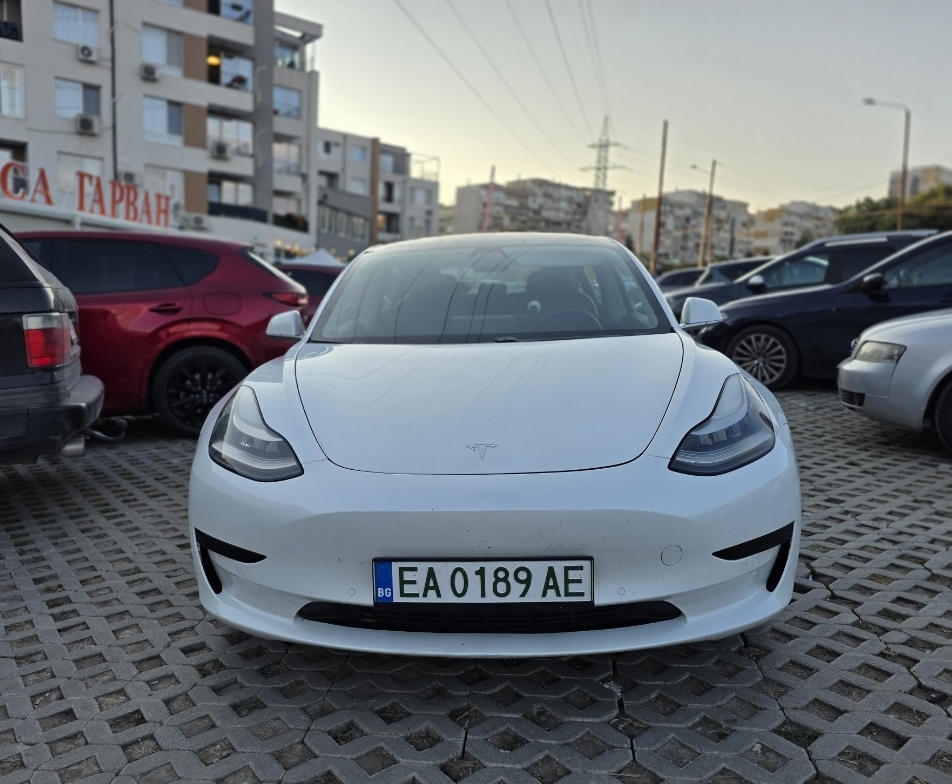
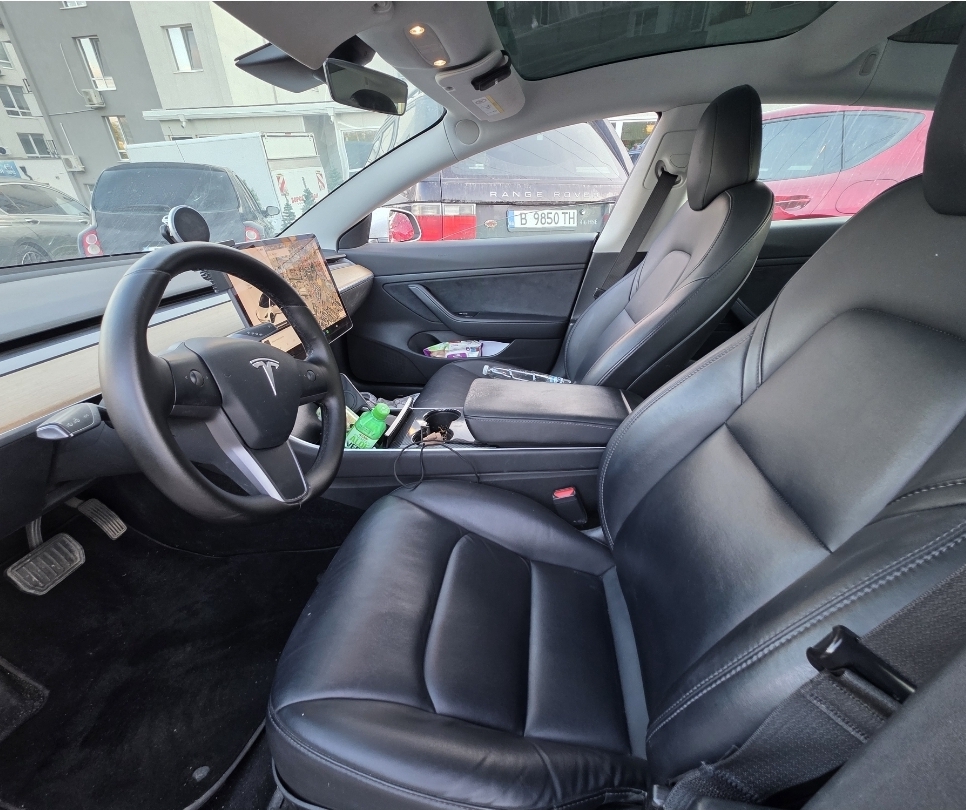
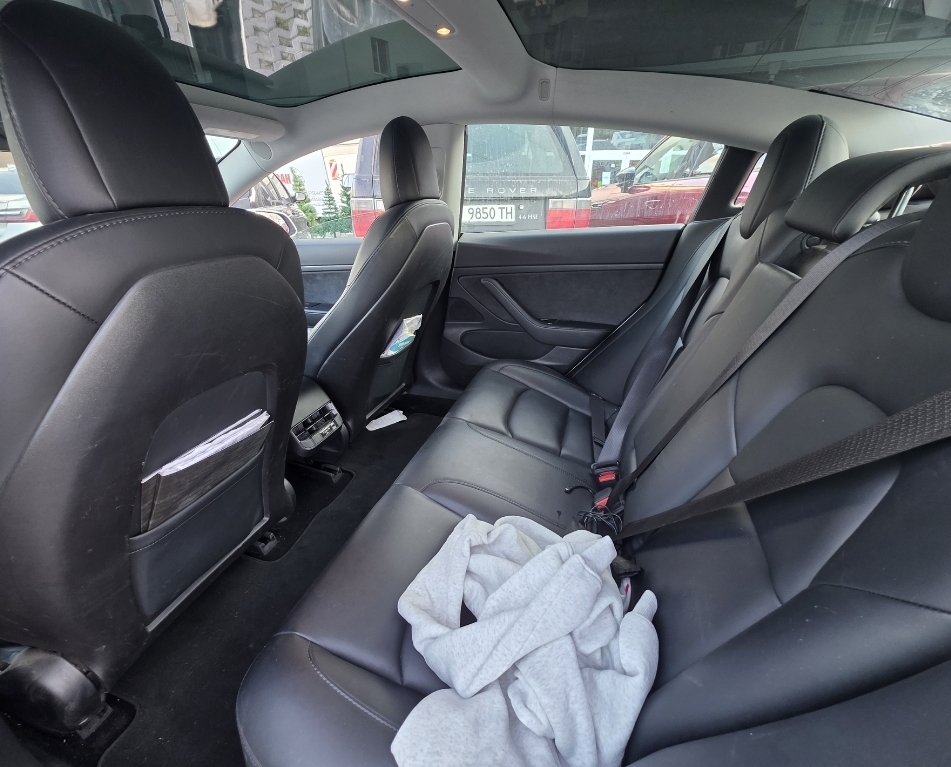
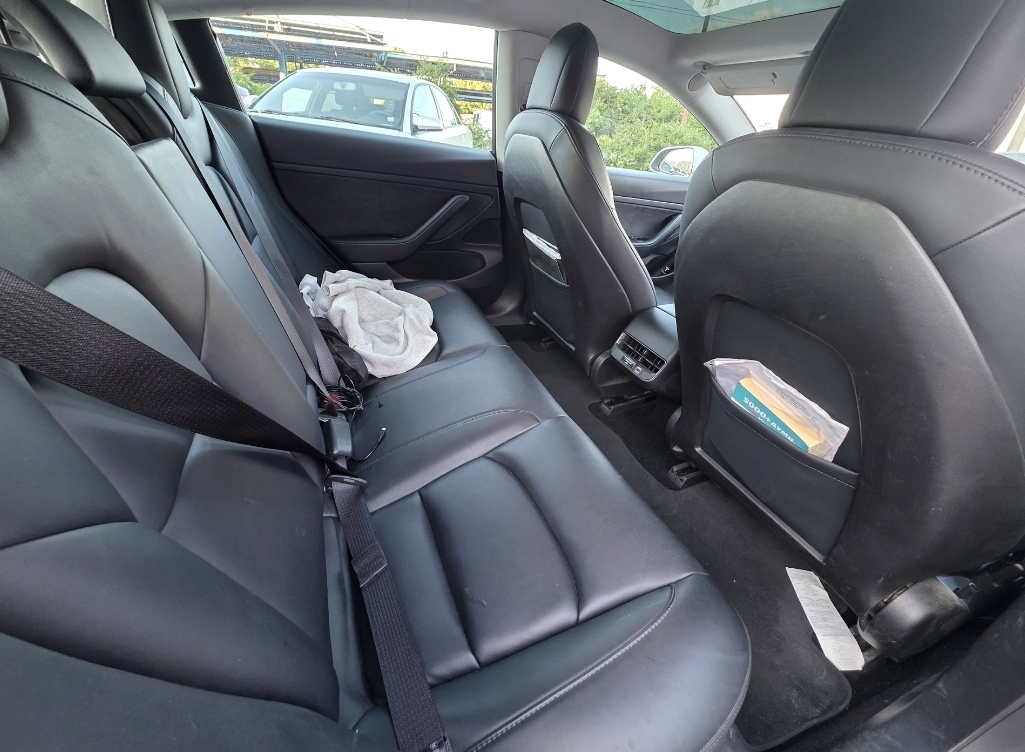
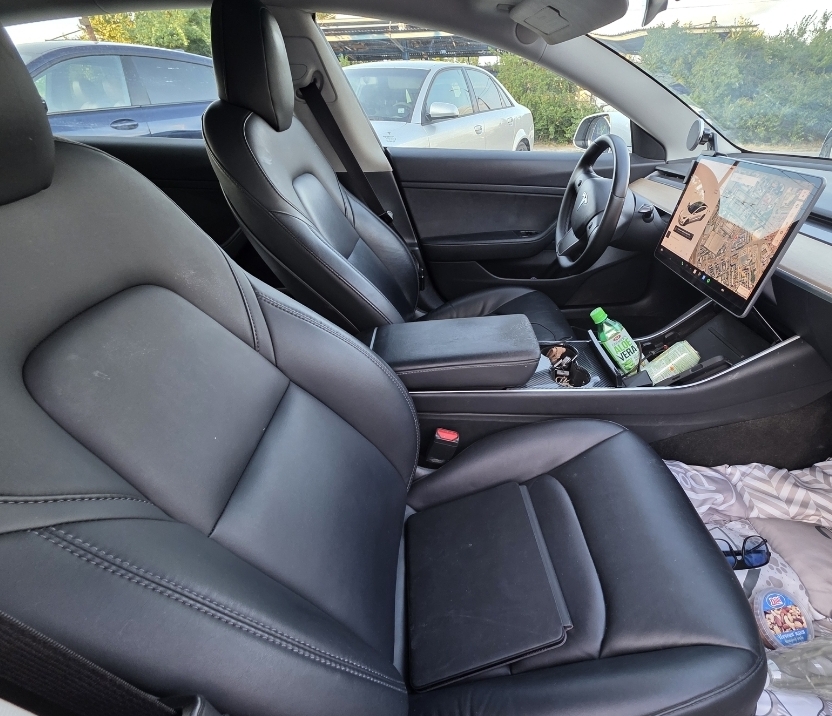
1. Powertrain & Efficiency Benefits (The „SR+“ Advantage)
Lightest Model 3: The SR+ has a single rear motor and a smaller battery pack, making it significantly lighter than the Dual-Motor Long Range. This results in superior handling, tighter cornering, and less tire wear.
Best Efficiency: It uses less energy per kilometer than any other Tesla. In 2019 EU testing (WLTP), it achieved ~409 km (254 miles) of range, but in real-world city driving, it often outperformed its rating due to the lightweight design.
LFP Battery Ready (Late 2019): If your 2019 EU model was produced after October 2019, it may have the first-generation LFP (Lithium Iron Phosphate) battery. This allows you to charge to 100% daily without battery degradation fears (unlike the Long Range which recommends 80% daily charging).
2. The „FSD“ Hardware Benefit (The Computer)
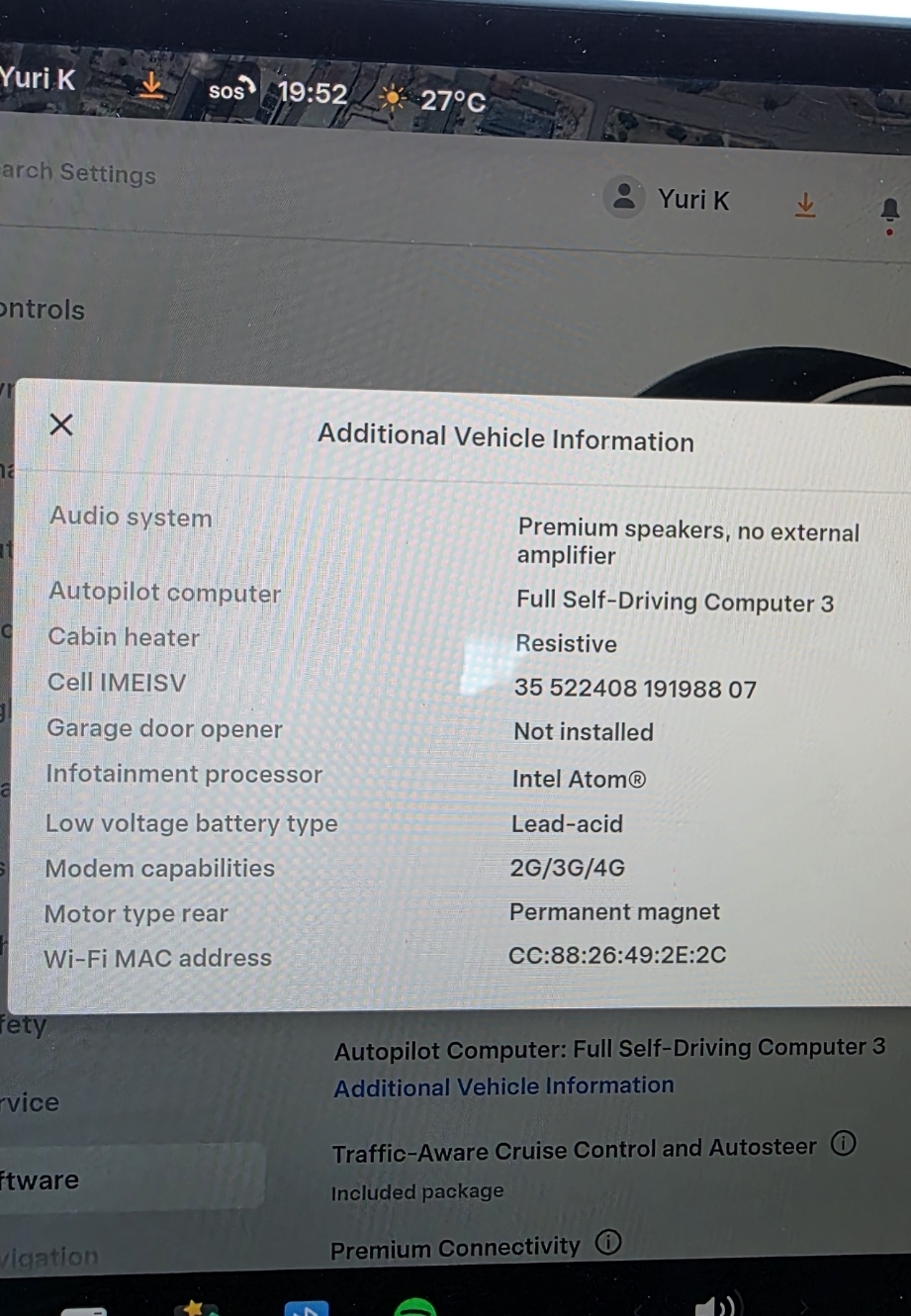
Even if you didn’t buy the FSD software, every 2019 EU Model 3 came with FSD Computer Hardware 3.0 (HW3). This provides:
Future-Proofing: You have the most powerful neural-net processor Tesla made at the time. Even today, this computer receives over-the-air (OTA) updates for new visualizations and safety features.
Sentry Mode & Dashcam: HW3 enables high-resolution recording from all 8 cameras with low power consumption, allowing Sentry Mode to run for days without draining the 12V battery as quickly as older hardware.
Redundant Processing: The dual-chip design provides instant failover. If one chip glitches, the other takes over immediately, making the car’s active safety systems exceptionally reliable.
3. Usable Software Benefits (EU 2019 Restrictions)
Because EU regulations in 2019 limited automated driving, the benefits of „FSD“ were mostly highway-centric:
Traffic-Aware Cruise Control (TACC): Maintains speed and distance from the car ahead in heavy stop-and-go traffic on the Autobahn or city ring roads, reducing driver fatigue.
Auto-Steer (Lane-Keeping): Keeps the car centered in its lane on marked highways. In 2019 EU cars, this worked up to 150 km/h (93 mph) and handled gentle curves flawlessly.
Navigate on Autopilot (NoA) – Limited: This was the crown jewel. It could suggest lane changes to take highway exits. Benefit: It actively reads road signs and speed limits better than GPS, ensuring you don’t miss exits in complex European interchanges.
Auto-Park (Parallel & Perpendicular): Uses the ultrasonic sensors to identify parking spots. In 2019, EU cars actually performed this more cautiously (and successfully) than US cars because EU spots are typically smaller.
4. Economic & Regulatory Benefits (EU Specific)
Tax Incentives: In 2019, many EU countries (Germany, France, Netherlands, Norway) offered full EV subsidies for cars under €50,000. The SR+ qualified for the maximum grant, whereas the Long Range did not.
Company Car Tax (BIK): In countries like Belgium and the UK, the SR+ had the lowest CO2-equivalent rating, placing it in the absolute lowest tax bracket for 2019–2020.
Charging Curve: The smaller battery charges faster from 10%–80% (around 170 kW peak) than the larger packs, meaning you spend less time at Ionity or Superchargers for the same percentage gain.