
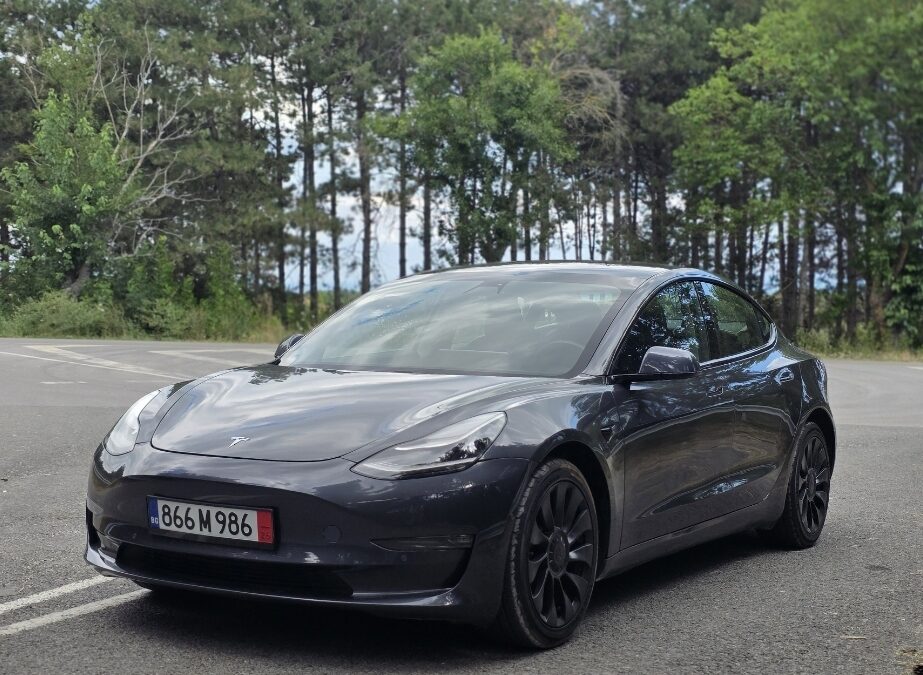
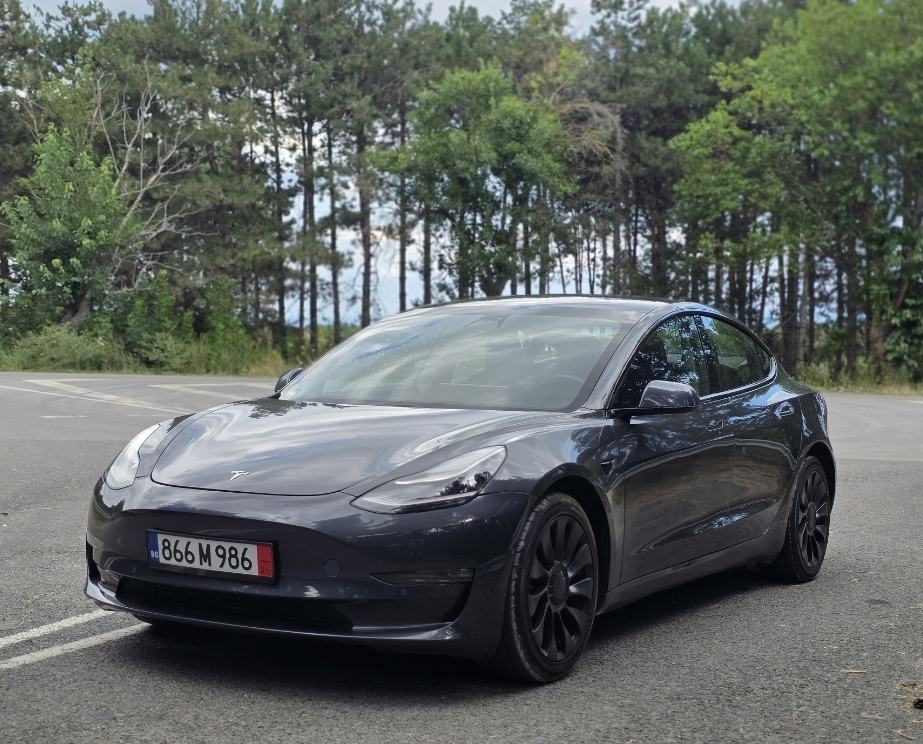
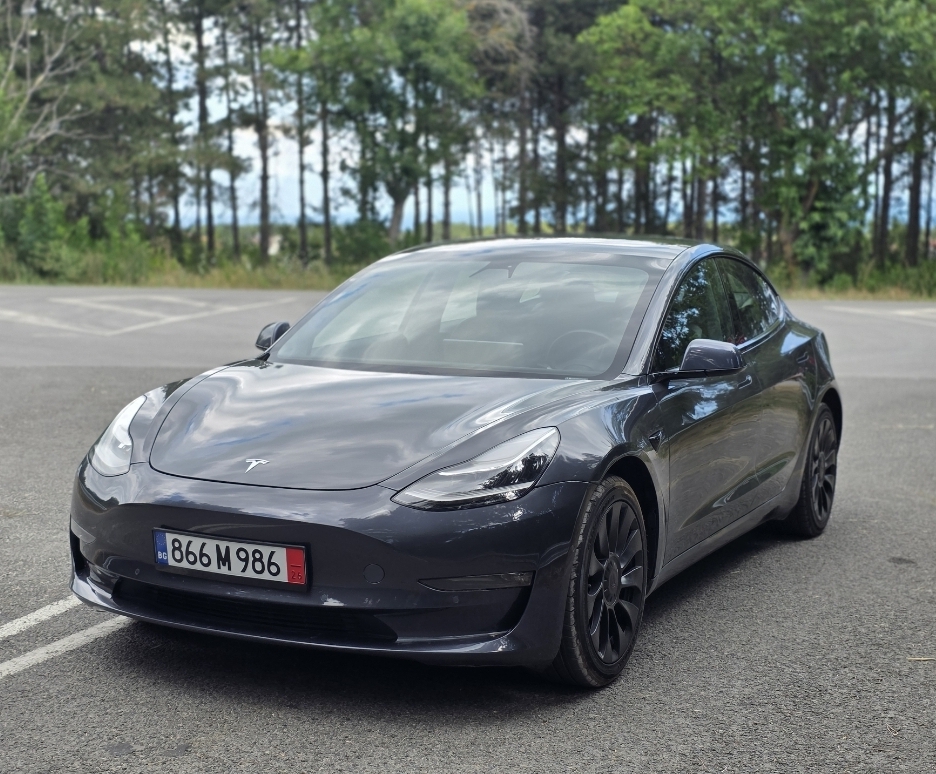
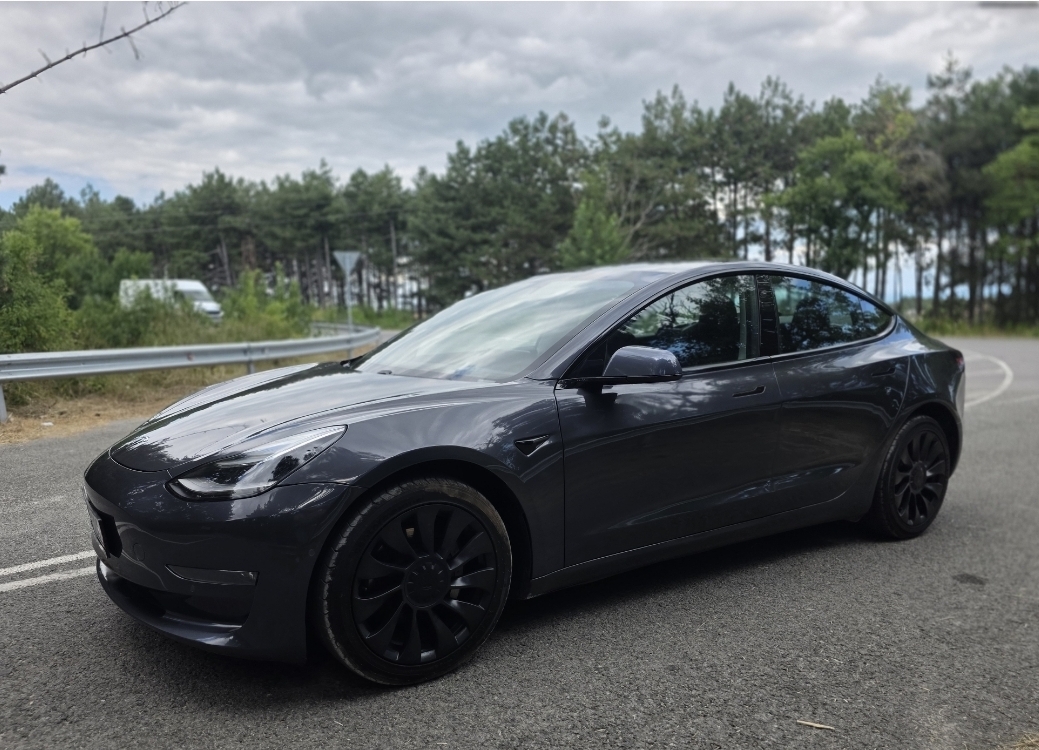
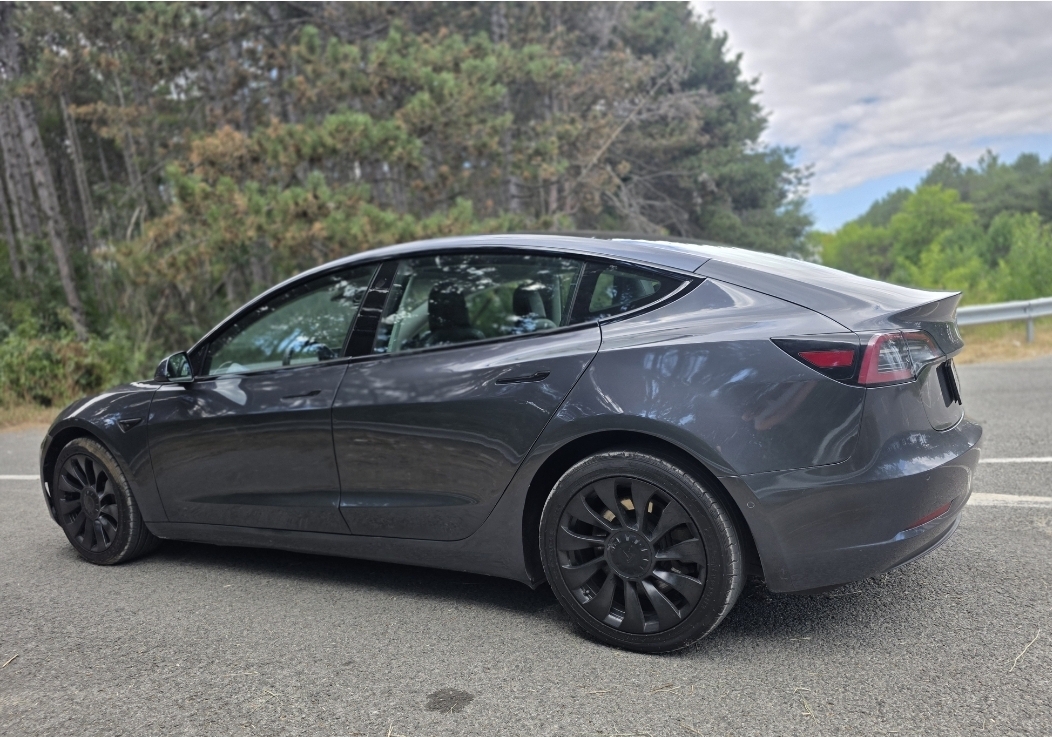
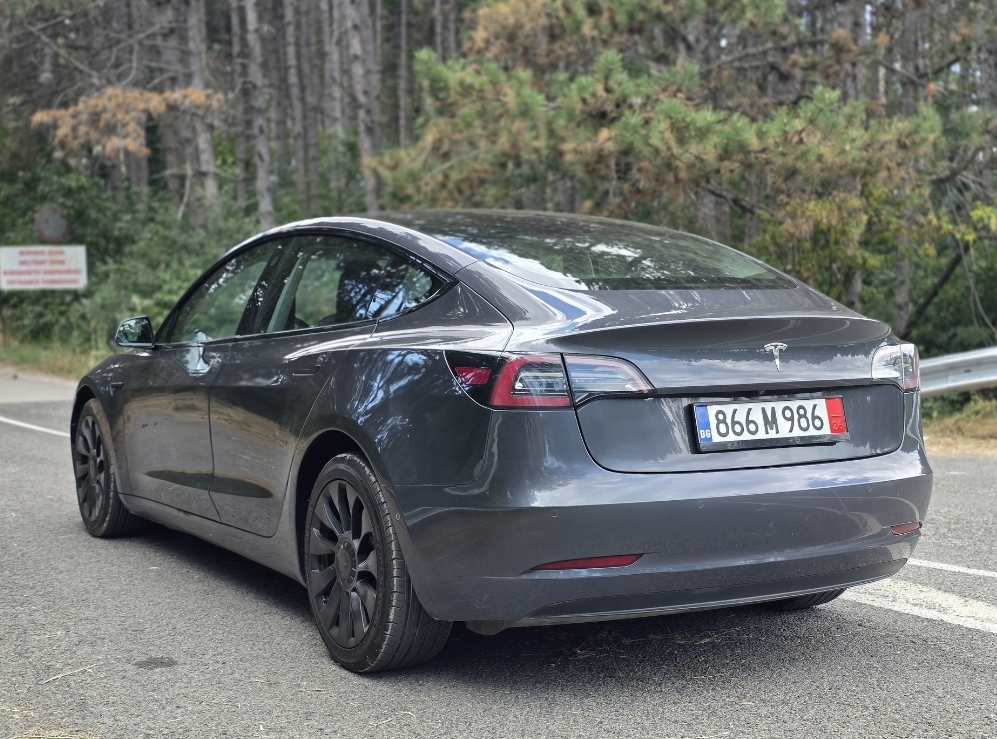
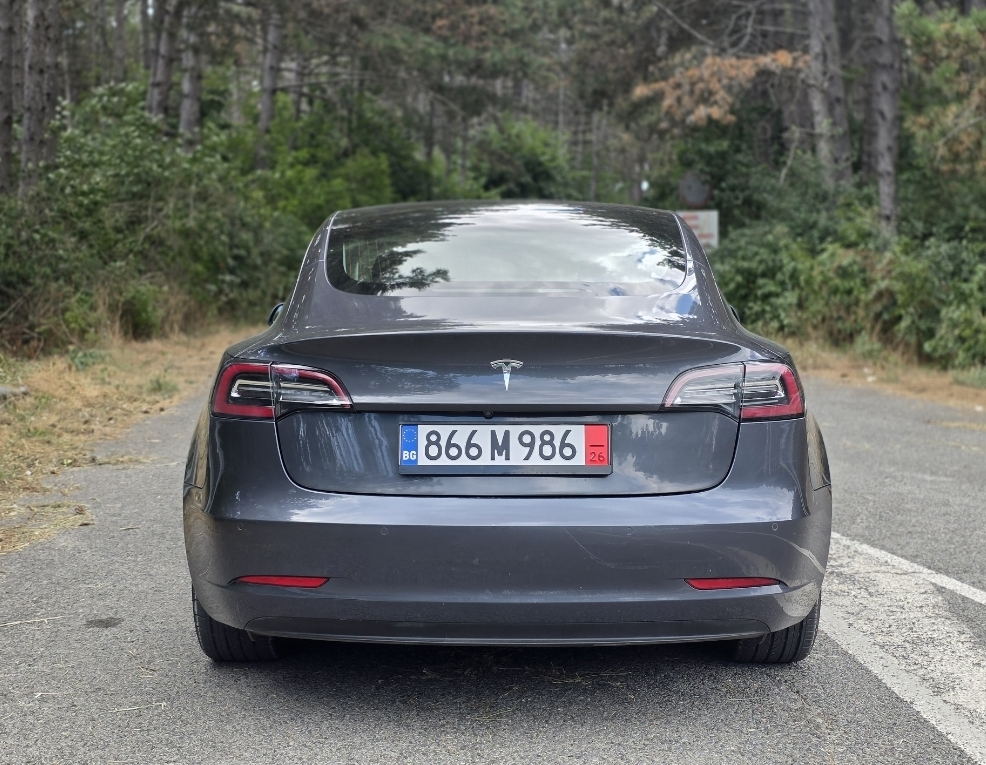
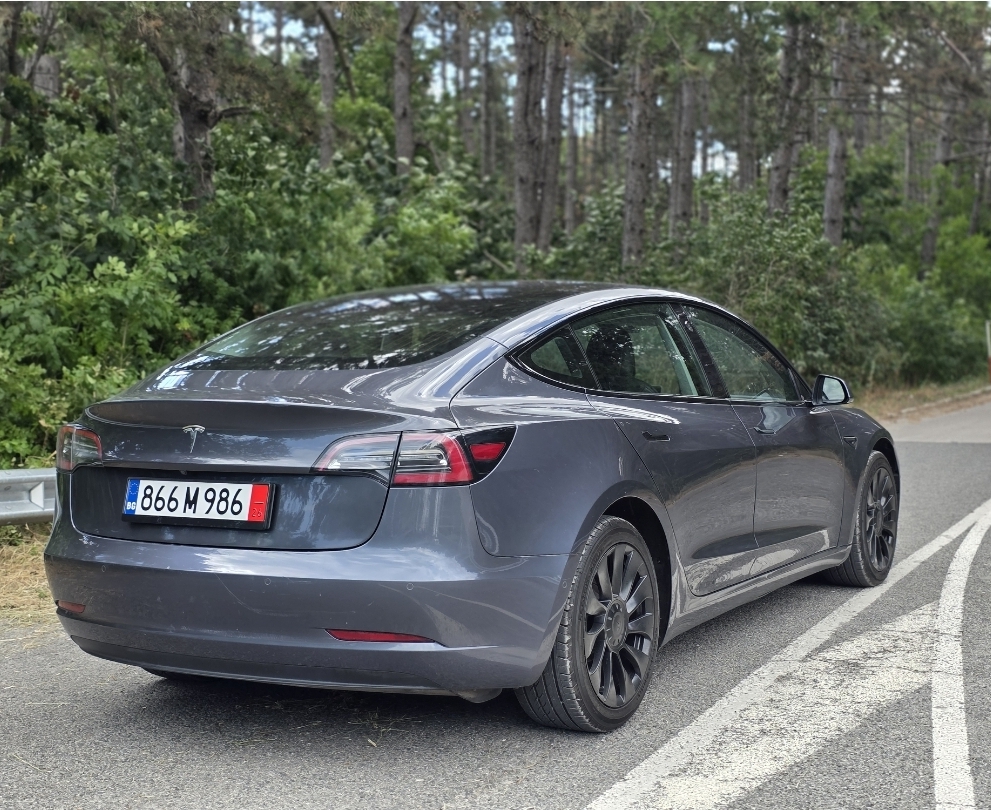
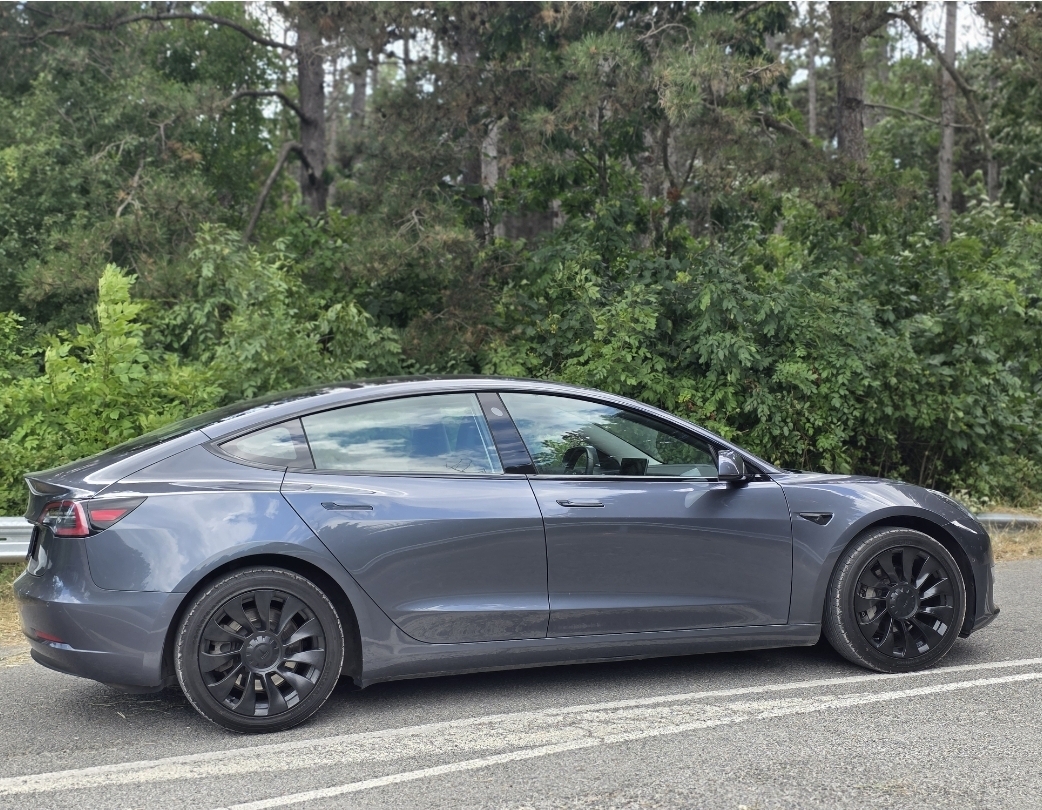
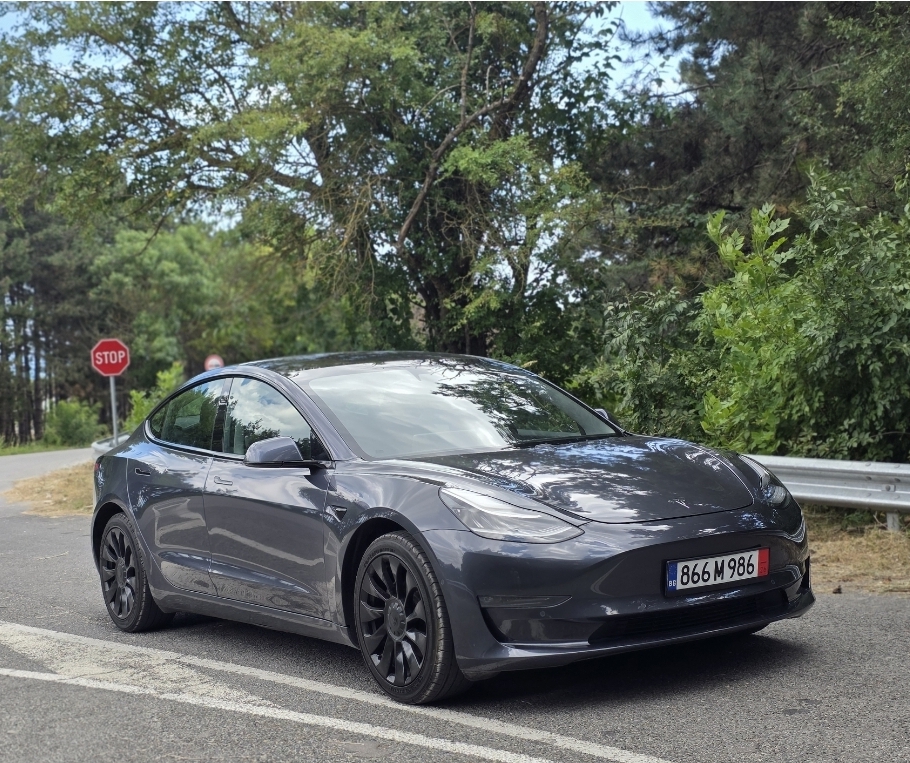
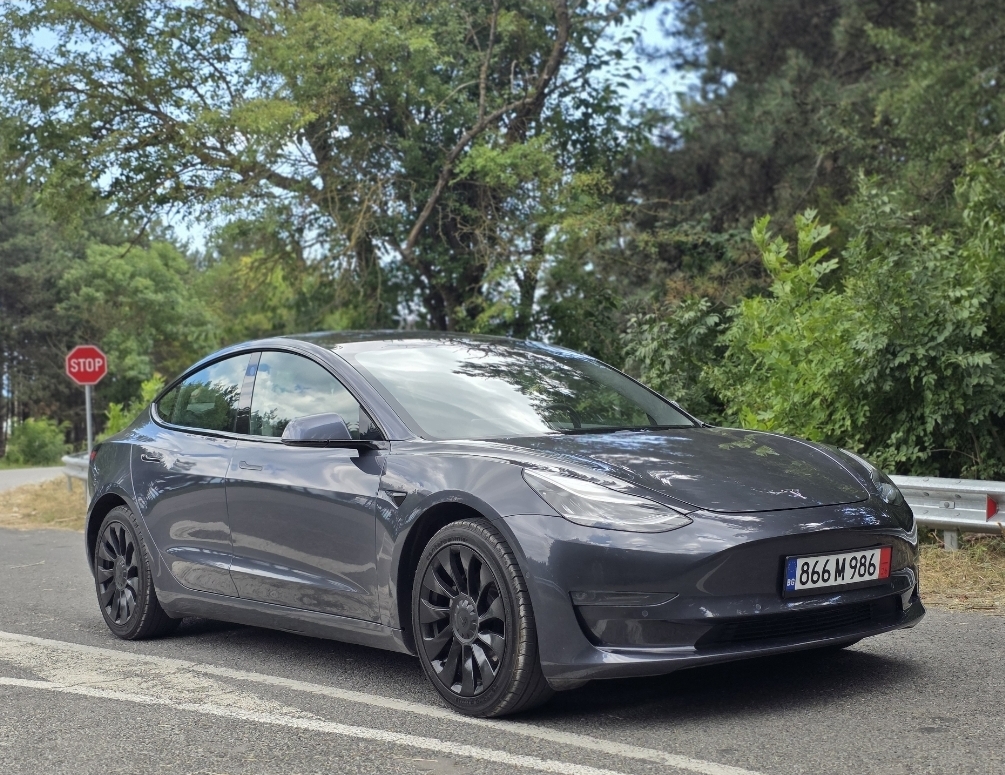
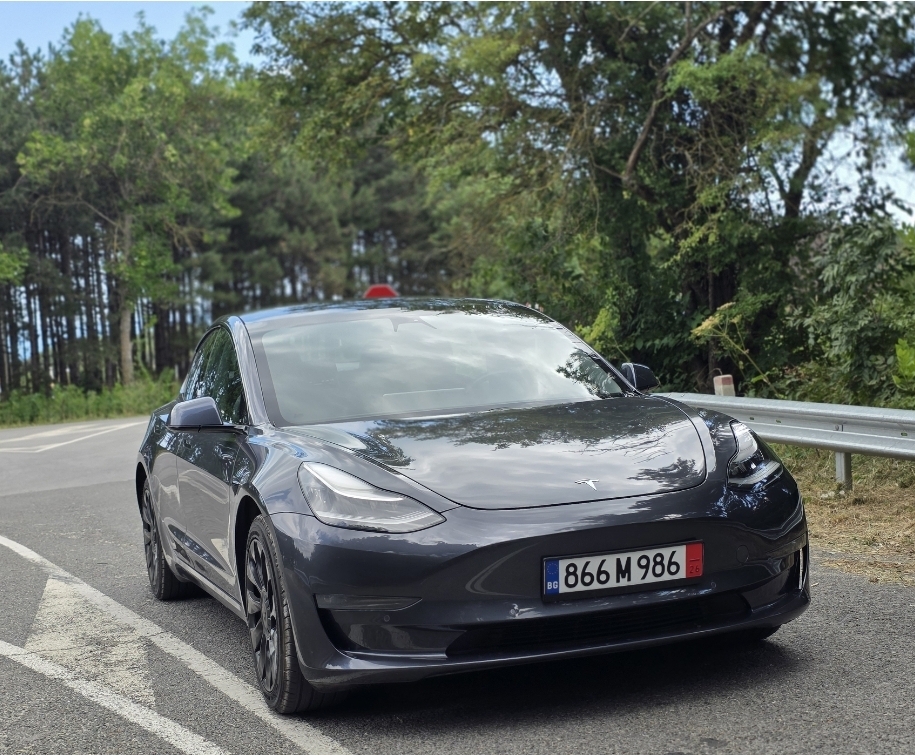
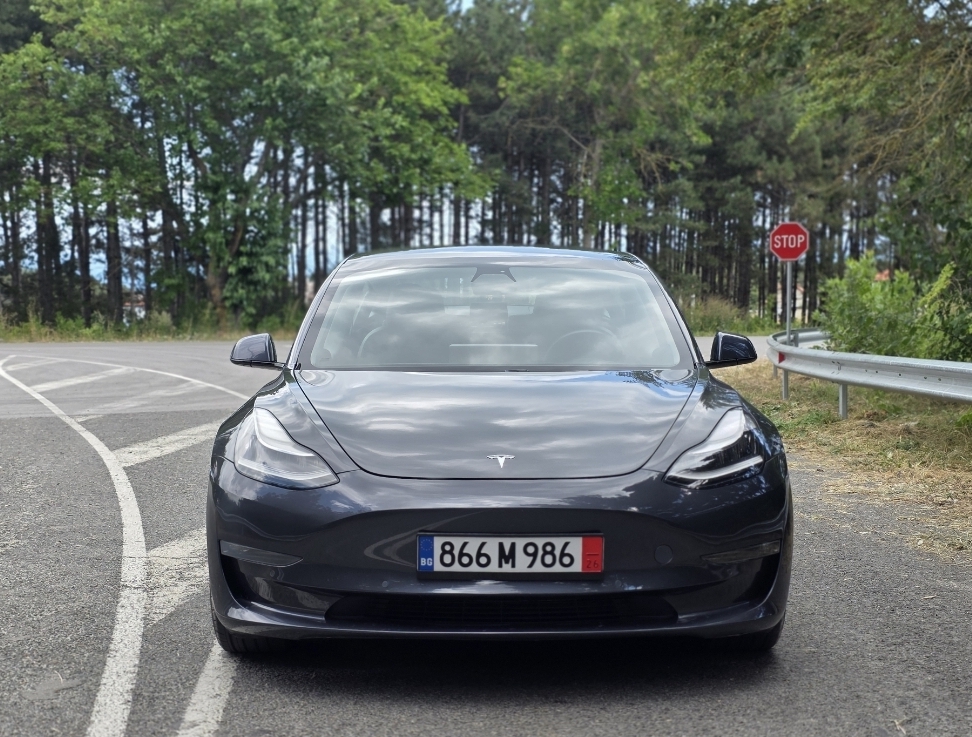
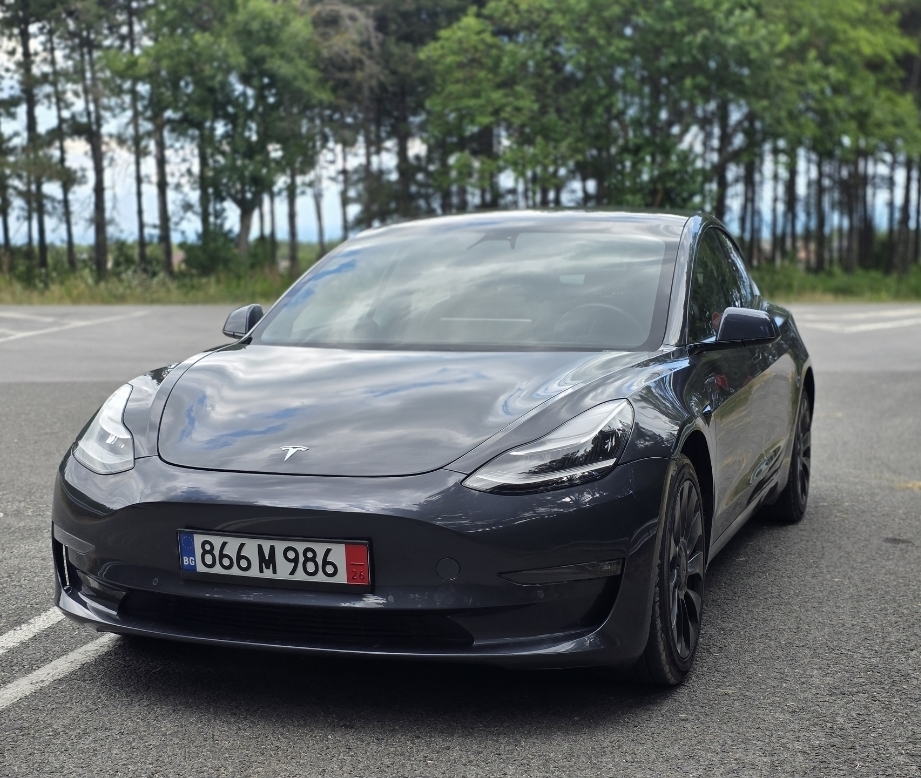
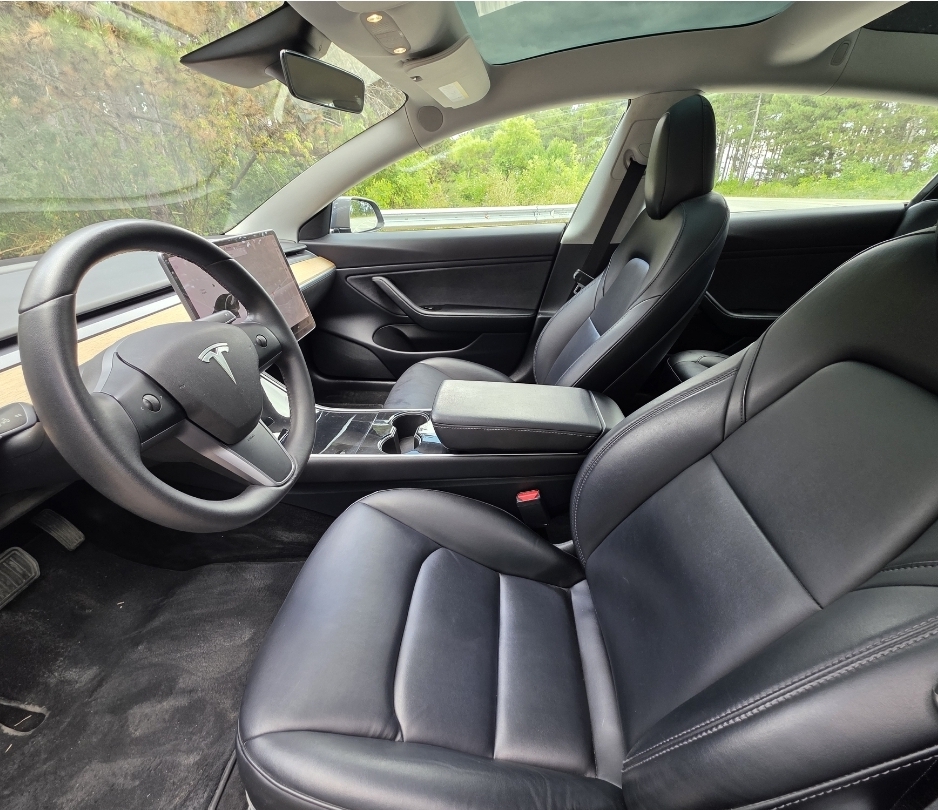
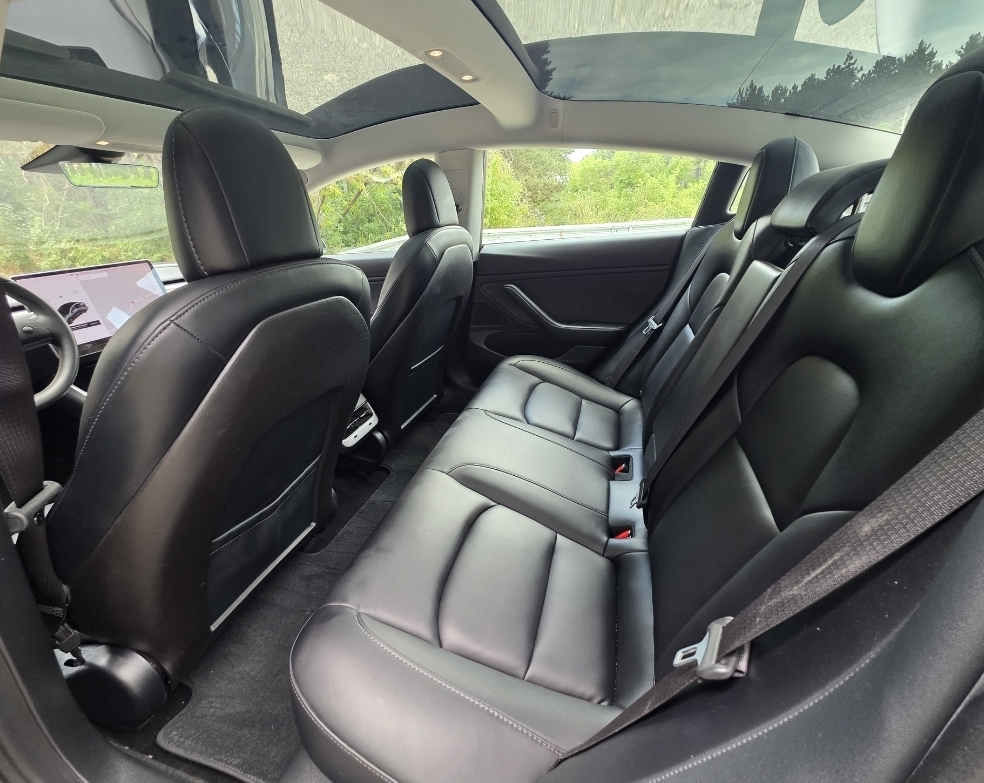
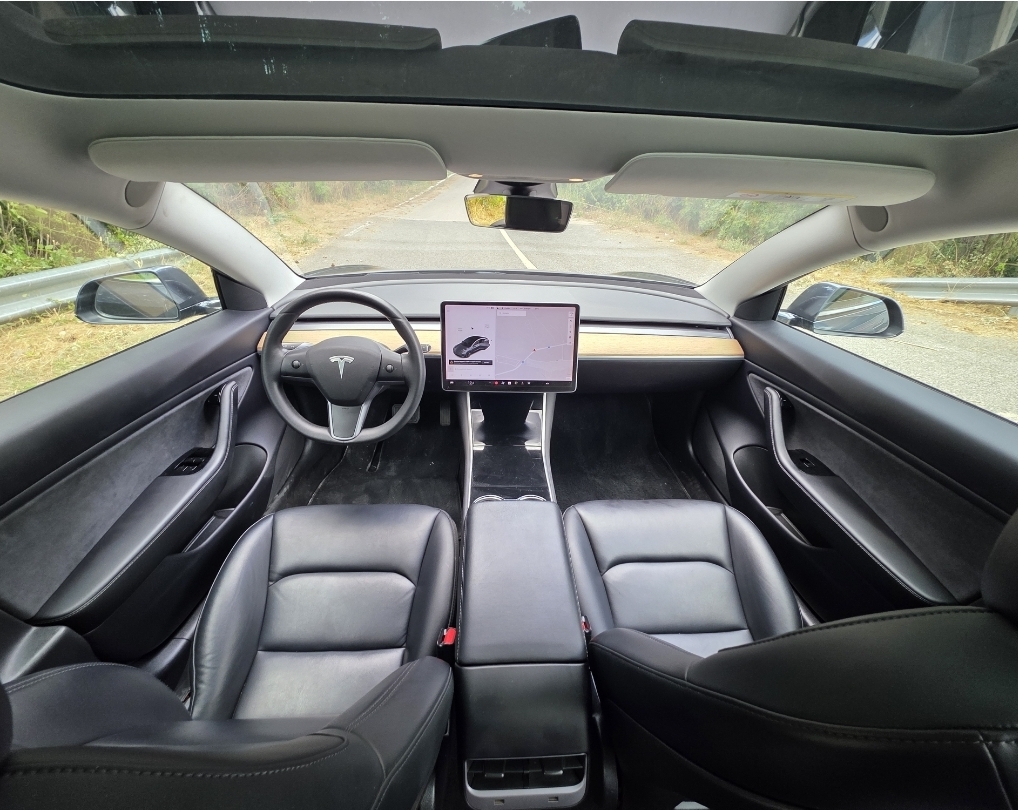
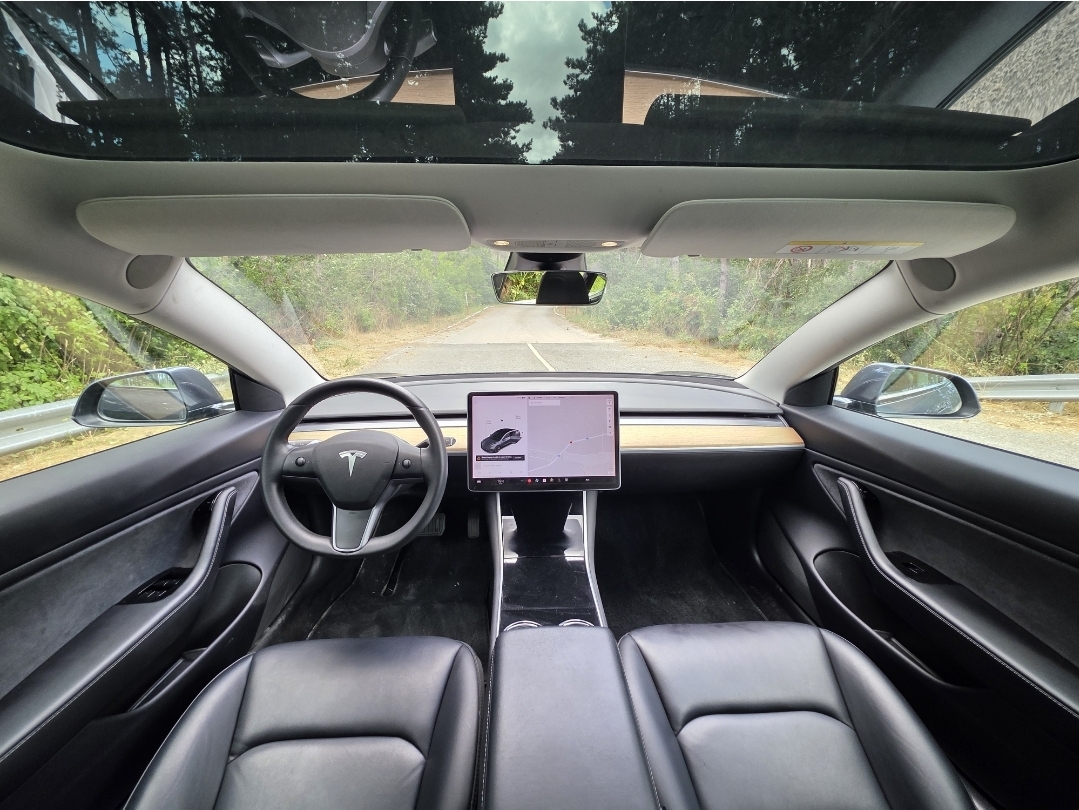
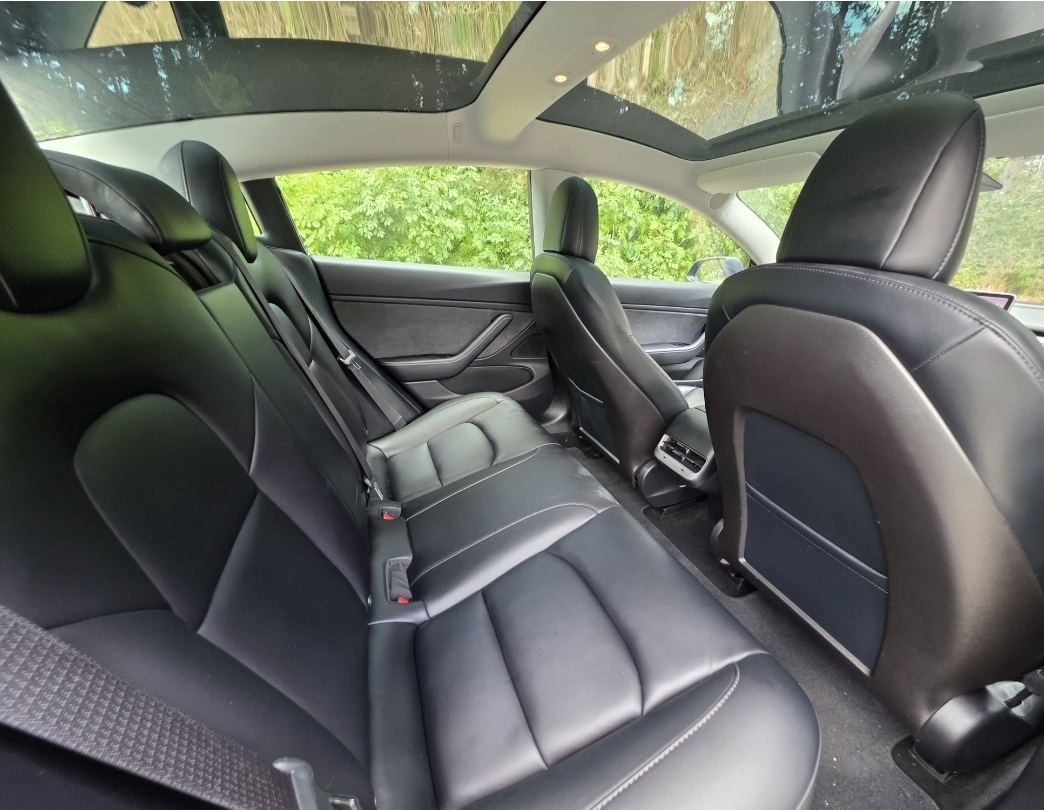
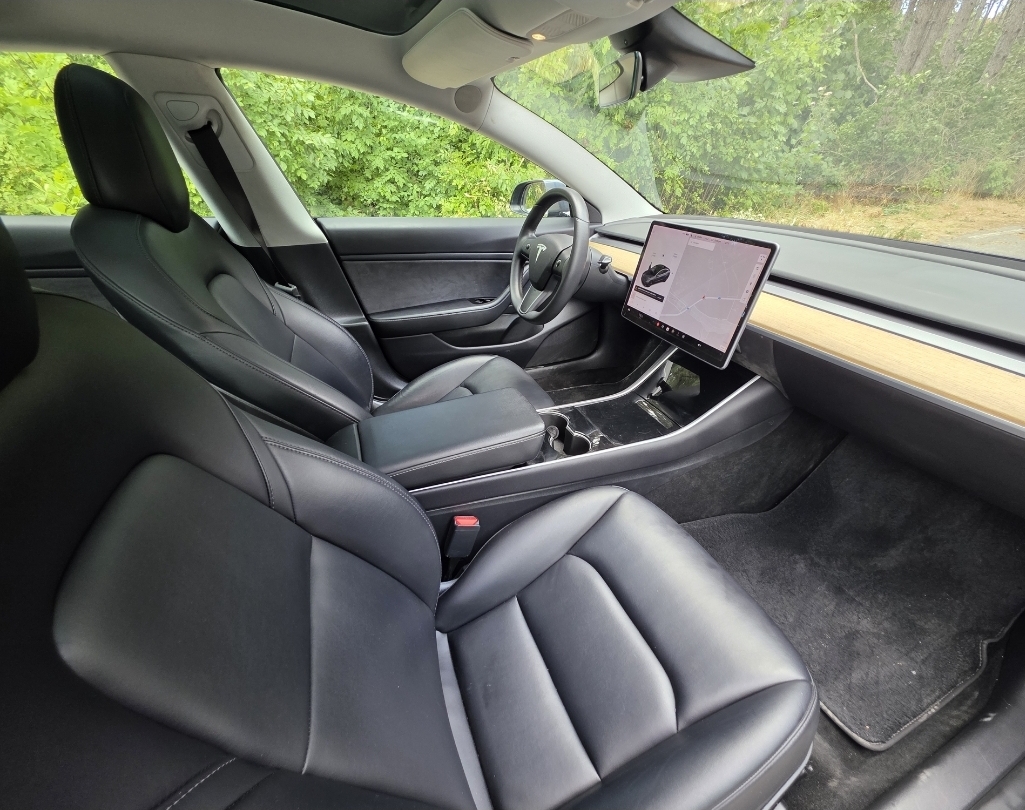
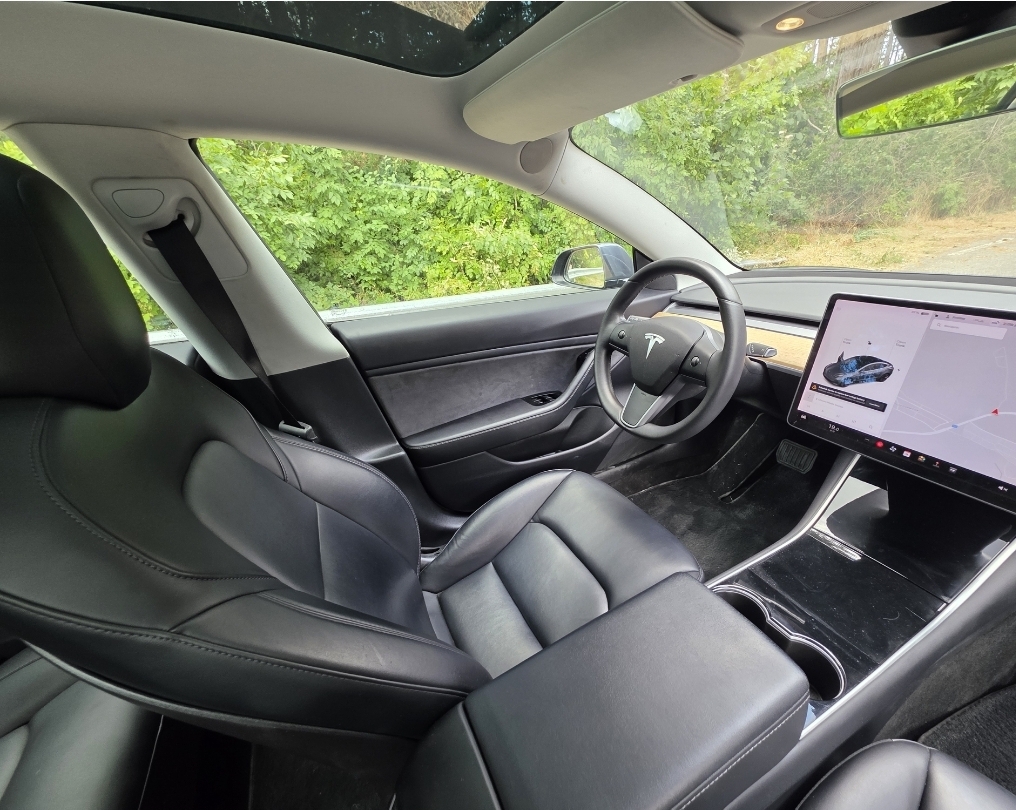
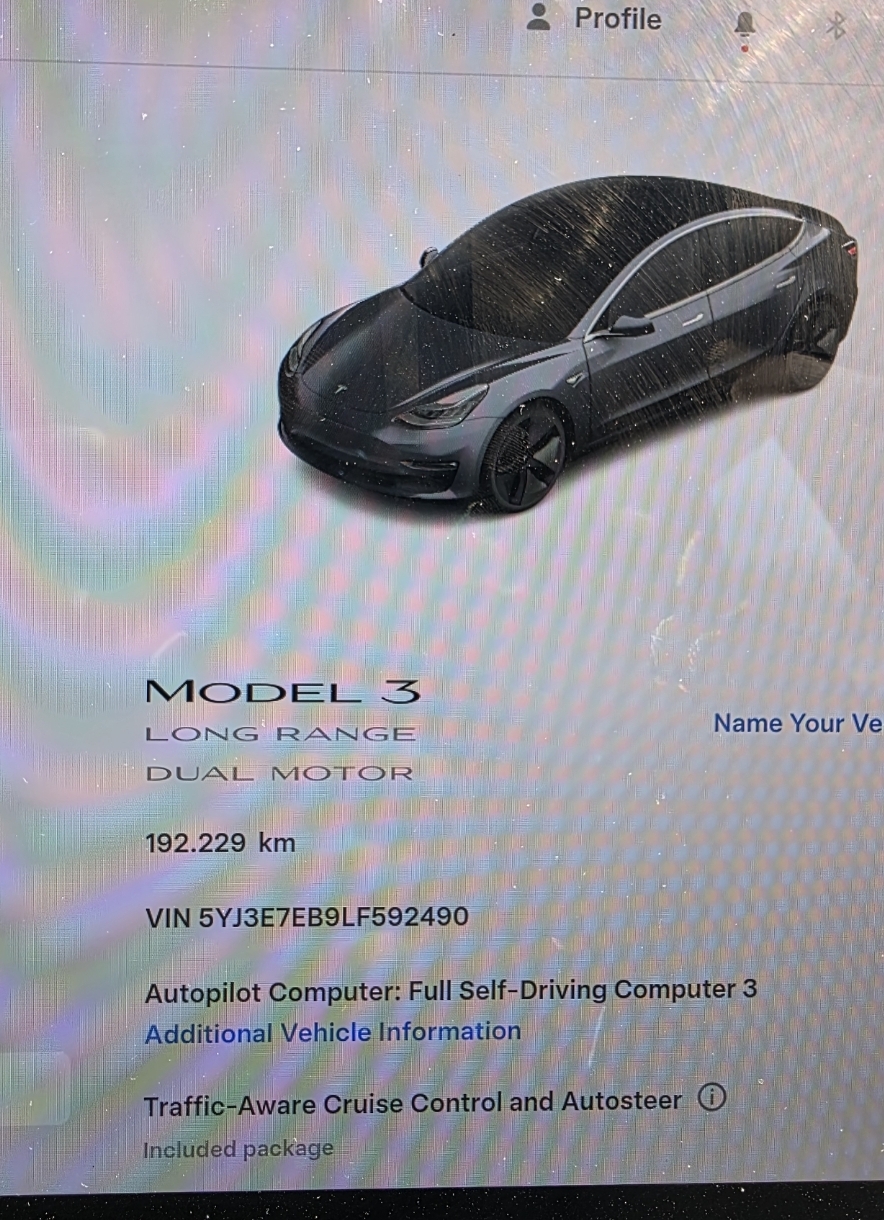
The 2020 Tesla Model 3 Long Range AWD (made in the USA or China, imported to the EU) is a first-generation „pre-Highland“ car. However, it has a massive ace up its sleeve for European buyers: it was the last Model 3 generation to include ultrasonic parking sensors (USS) and radar, which changes the FSD experience significantly.
Furthermore, because it is a 2020 EU model, it likely uses the CCS Combo 2 (CCS2) charging port (mandated in Europe), giving you access to the widest network of chargers on the continent.
Here is the outline of its specific benefits, tailored to the EU market:
1. The „Long Range 4×4“ Hardware Benefits
Dual-Motor AWD Traction: With instant torque vectoring, this car is exceptionally stable on wet Autobahns, alpine passes, and Scandinavian snowy roads.
The „Uncorked“ Performance: The 2020 Long Range AWD features a 0-100 km/h time of just 4.4 seconds (with the optional Acceleration Boost upgrade, it drops to 3.9 seconds)—still blisteringly fast by EU sports-sedan standards.
Massive Practical Range: With the 75 kWh Panasonic battery pack, it achieves roughly 550–580 km (WLTP) on a full charge. In real-world EU highway driving (120 km/h), you can expect a solid 400–450 km, making cross-country trips viable.
Tow Hitch Ready: In the EU, this model is rated to tow up to 1,000 kg (braked), making it practical for small caravans or bike racks (though you must ensure the tow bar is factory-fitted or EU-type approved).
2. The „2020 EU“ Charging & Connectivity Benefits
CCS2 Native Port: Unlike early US 2020 models that used Tesla’s proprietary port, EU 2020 models use the CCS2 standard. This means you can seamlessly use Tesla Superchargers (V3), Ionity, Fastned, EnBW, and Allego without fiddling with adapters.
Free Premium Connectivity (Often Grandfathered): Many 2020 EU models came with a „Premium Connectivity“ trial that was extended indefinitely for early adopters. Even if not, the car includes lifetime access to satellite-view maps, live traffic visualization, and in-car streaming (Spotify/Apple Music) for a very low annual EU fee (approx. €99/year).
Supercharger V3 Speeds: The 2020 battery pack supports peak charging rates of 250 kW, allowing a 10-80% charge in about 25 minutes at a V3 Supercharger.
3. The „FSD“ (Full Self-Driving) Benefits – With a Major EU Caveat
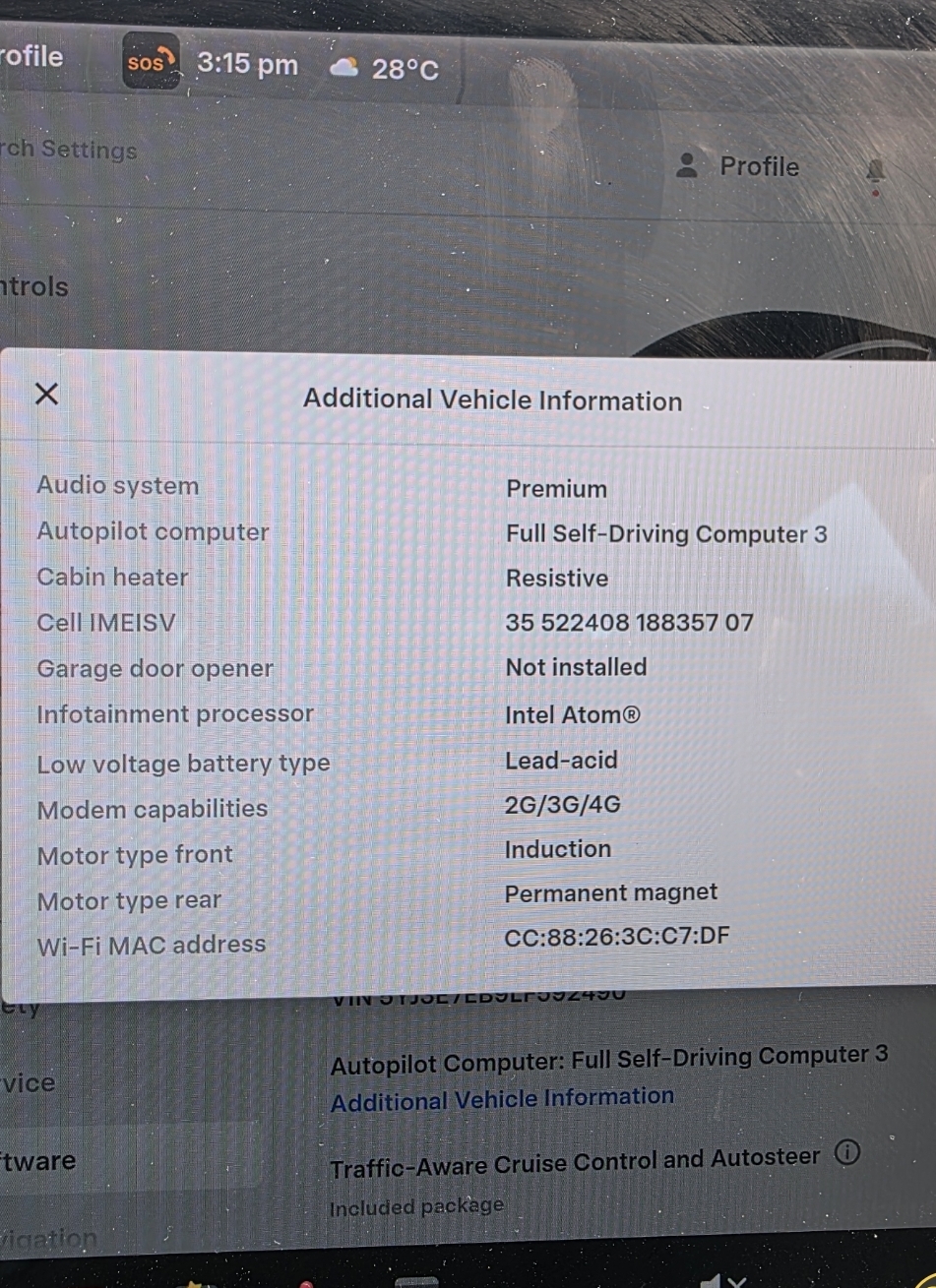
If this car includes the purchased FSD package (check the touchscreen under Software > Additional Vehicle Information), it comes with a specific advantage and a major limitation due to EU regulations:
The Advantages:
Radar + USS (Ultrasonic Sensors): Unlike the 2023 and 2025 models (which are „Tesla Vision“ only, relying purely on cameras), your 2020 model has front radar and 12 ultrasonic parking sensors. This means:
Better Adaptive Cruise Control: Smoother following distance and less „phantom braking“ in fog/heavy rain compared to newer camera-only cars.
Precise Parking: The USS gives you exact distance readings in centimeters on the screen (a feature removed in 2023+ models), which is incredibly useful for tight EU city parking garages and narrow medieval streets.
Navigate on Autopilot: Handles highway on-ramp to off-ramp, including automatic lane changes on the Autobahn and motorways.
Summon & Smart Summon: You can move the car forward/backward via the app to get in/out of tight EU parking spaces.
⚠️ The Major EU Limitation (Critical):
UN-ECE R79 Regulation: Because this is an EU-spec car, FSD Beta (City Streets) is NOT legally available in most European countries. You will not get the „end-to-end“ city-driving AI that US owners enjoy.
What you actually get: In the EU, FSD on a 2020 car is essentially a highly advanced Level 2 highway assist with traffic-light recognition (it will chime when lights turn green, but it won’t autonomously turn across traffic in a city center). Do not buy this car expecting it to drive you through Berlin or Paris city streets—it won’t.
4. The „Used 2020“ Ownership Benefits (Financial & Practical)
Radar Cruise in Rain: Because of the radar, your Autopilot works much more reliably in heavy European rain and road spray compared to newer Vision-only models that often disengage in bad weather.
Physical Stalks: Unlike the 2025 Highland, this 2020 model has traditional turn-signal stalks and a physical gear shifter. Many EU drivers prefer this, as roundabouts (common in Europe) require rapid, intuitive signaling, which is easier with stalks than haptic buttons.
Lower EU Tax/Insurance Bracket: As a 2020 vehicle, its fiscal horsepower (CV) and CO2 equivalent are calculated on older scales, often resulting in cheaper annual road tax (depending on your EU country, e.g., Germany, Netherlands, or France) and lower comprehensive insurance premiums compared to a brand-new 2025 model.
Depreciation Curve: The steepest depreciation has already occurred. If you buy it well, you can drive it for 3–4 years and sell it for nearly what you paid, as the 2020 „radar-equipped“ models are highly sought after by Tesla enthusiasts.
5. The „EU Warranty“ Situation (Critical Check)
The original 4-year / 80,000 km basic warranty expired in 2024.
Remaining Coverage: Only the Battery and Drive Unit warranty remains: 8 years / 160,000 km (or 192,000 km depending on the specific EU country). This means if the battery degrades below 70% or fails, you are covered until 2028.
What is not covered: The suspension, control arms, AC compressor, heat pump, and 12V battery are now entirely out-of-pocket expenses. In the EU, these repairs can cost €1,500–€3,000 at a Tesla Service Centre.