
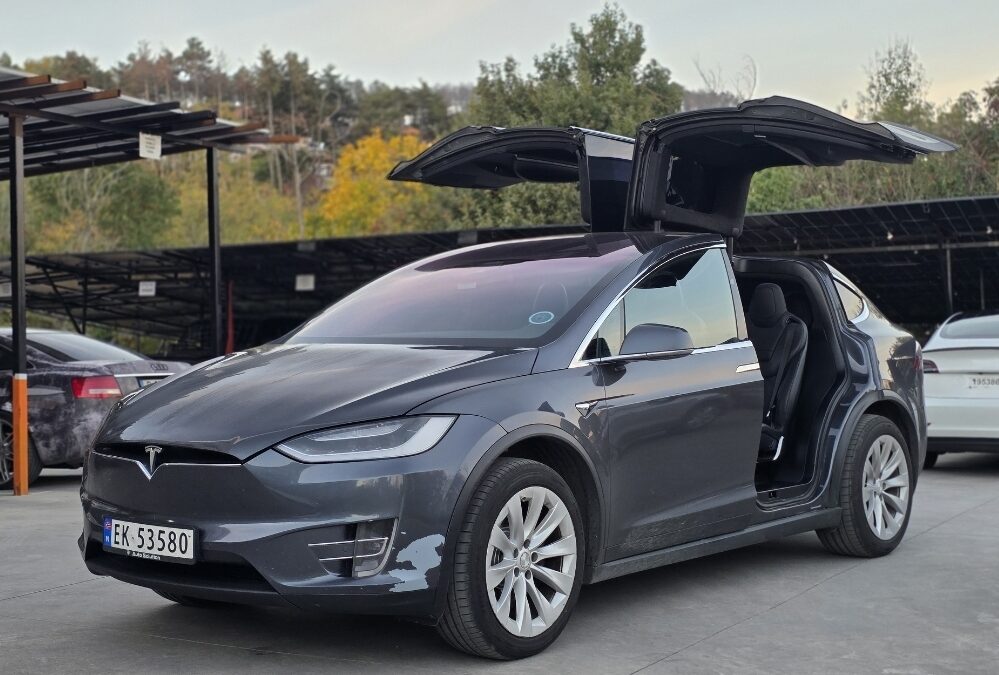
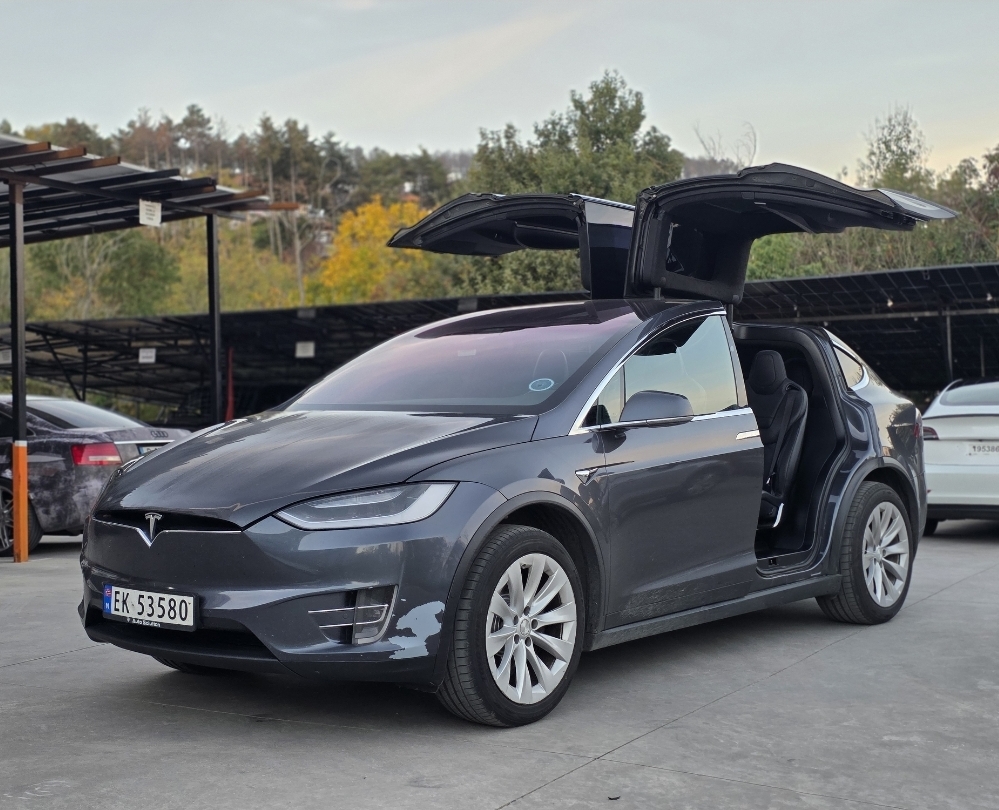
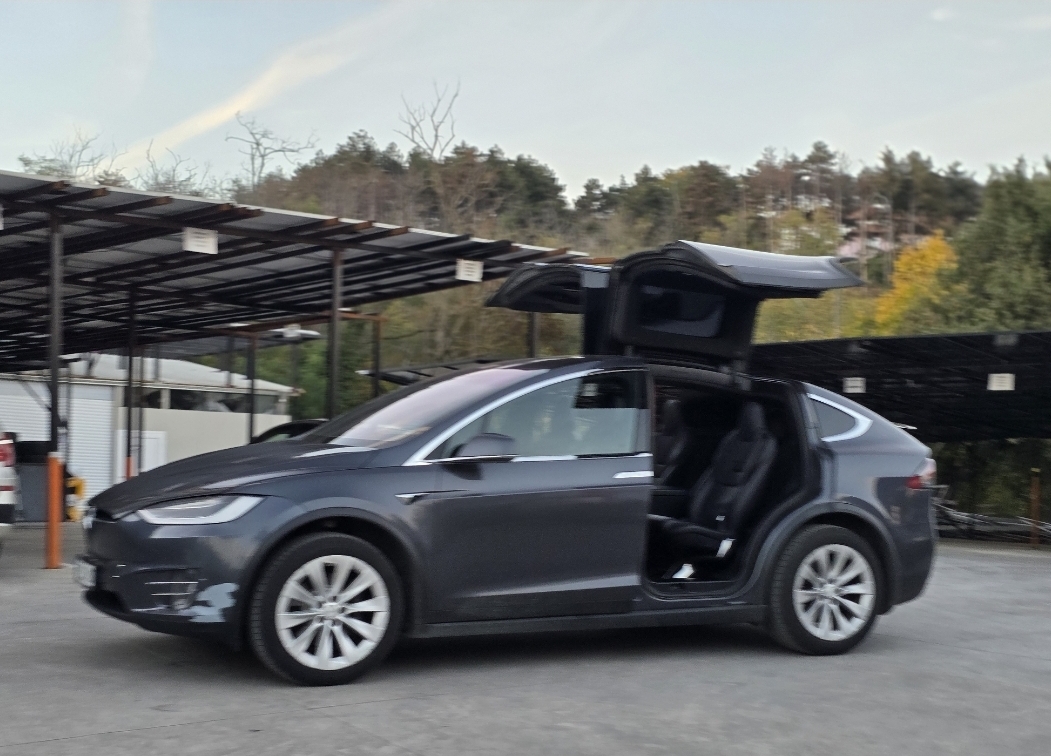
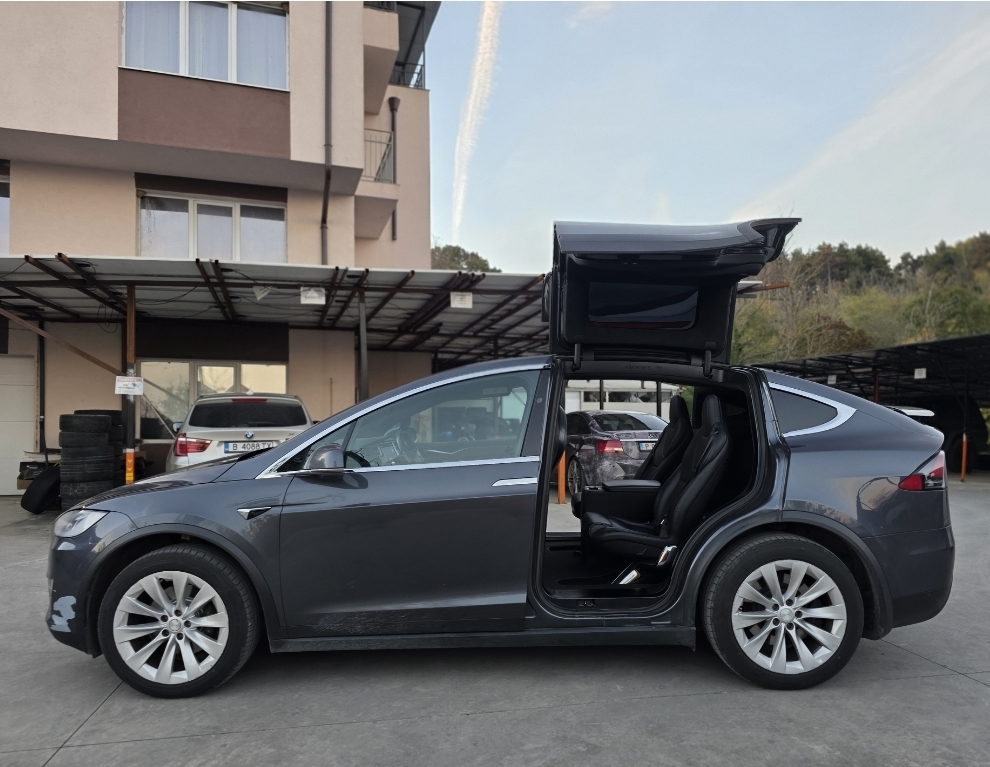
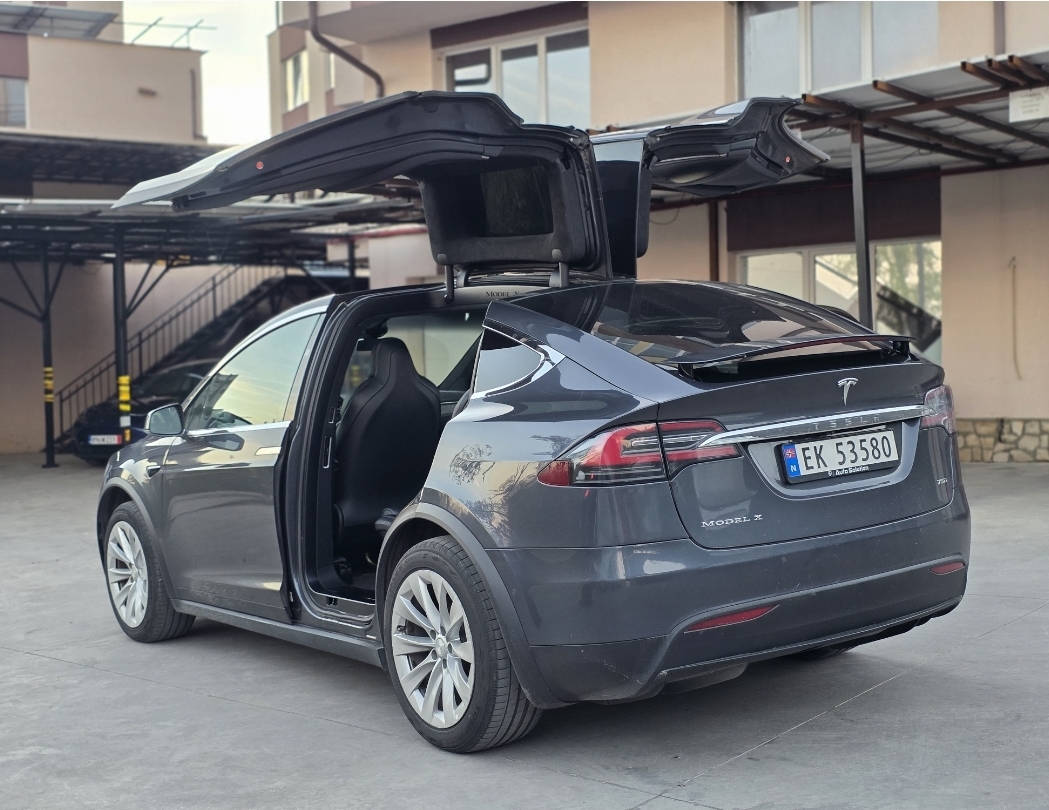
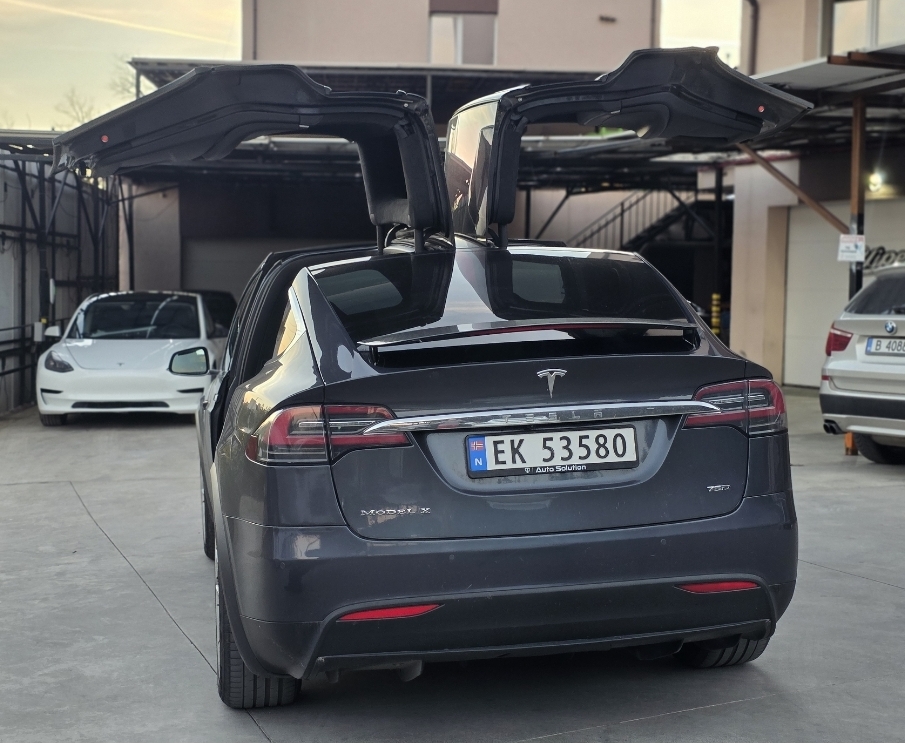
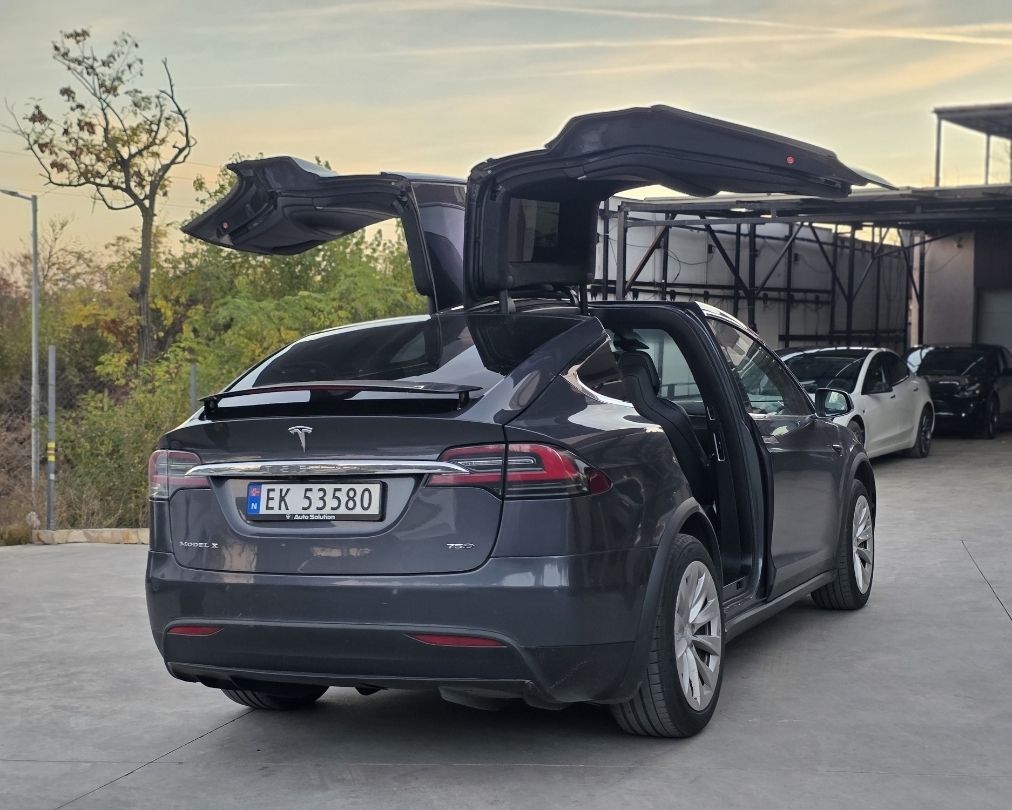
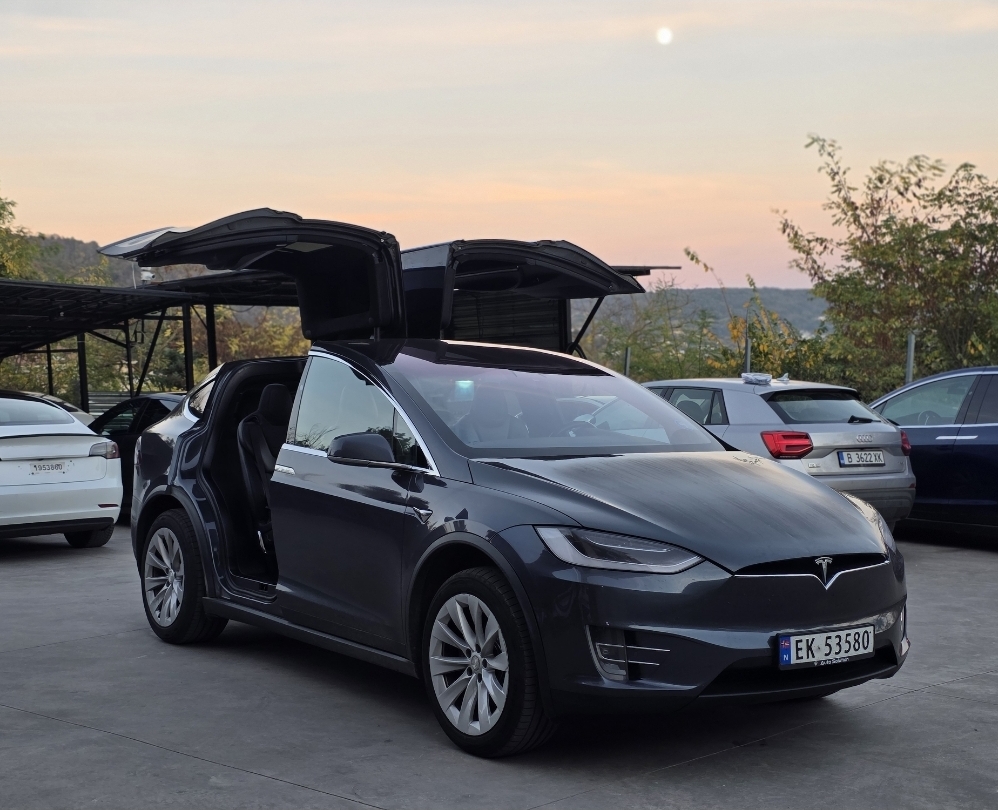
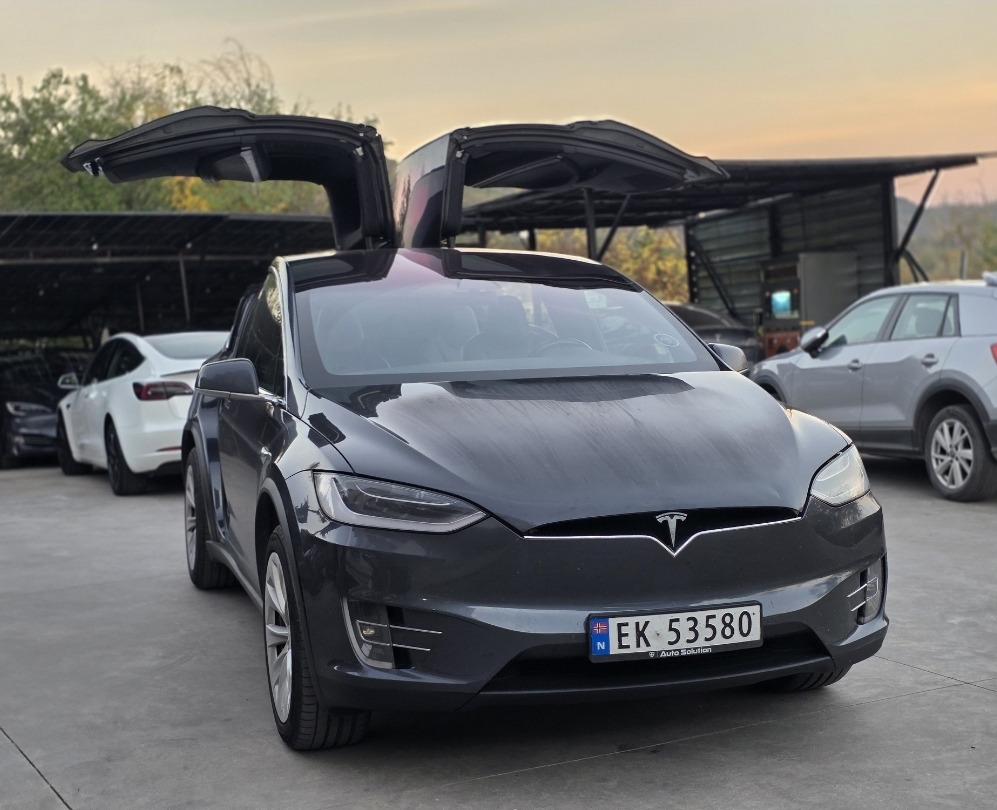
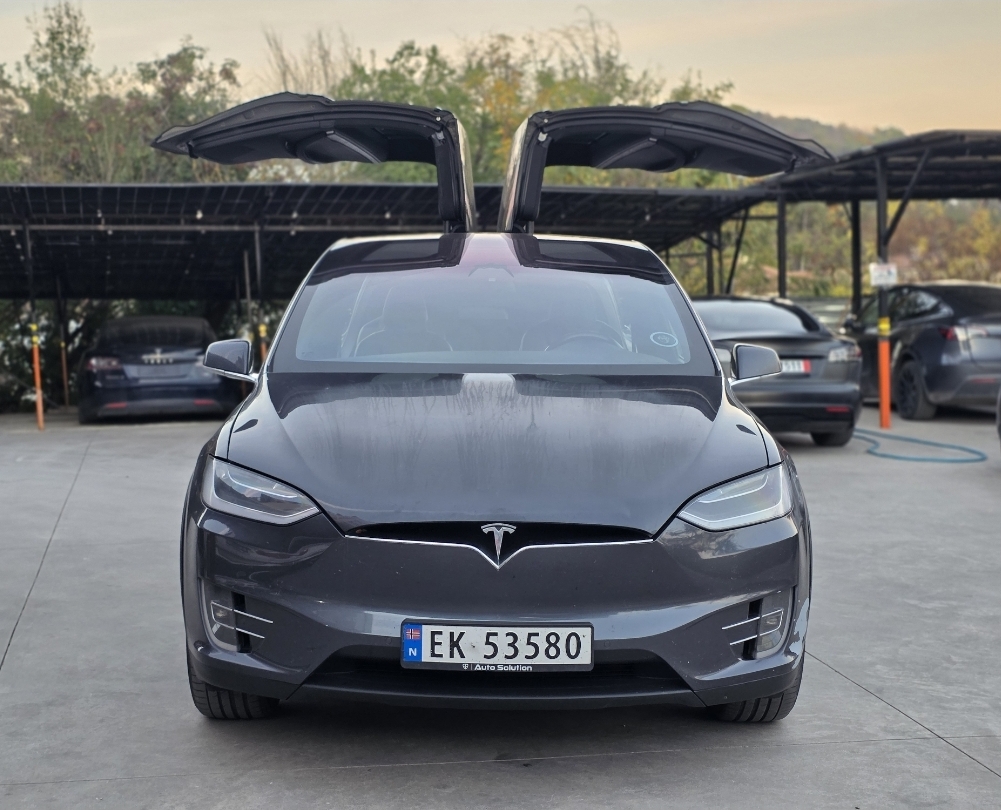
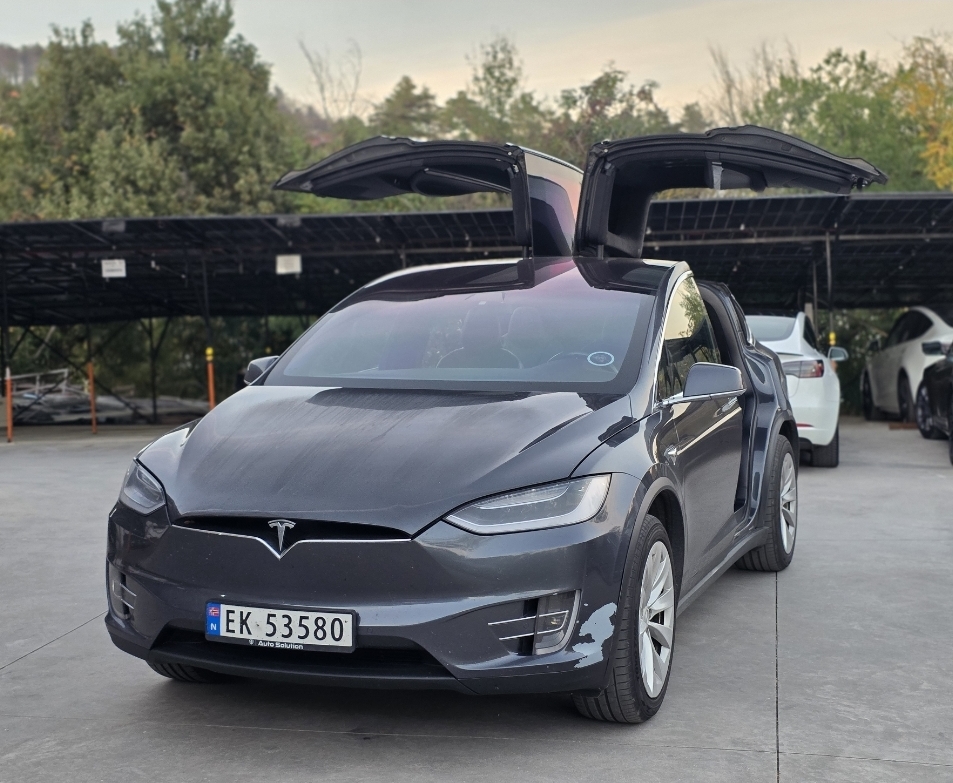
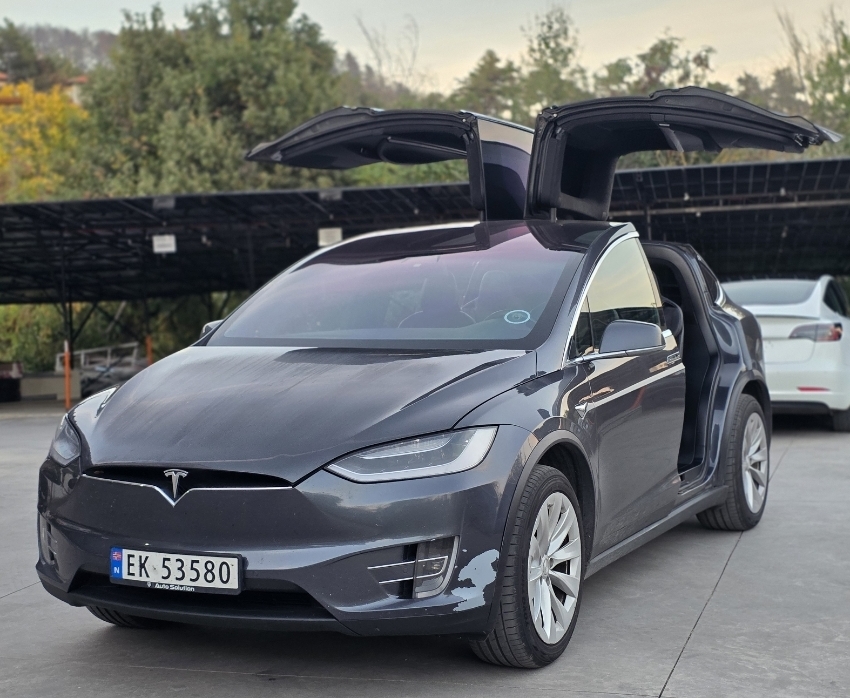
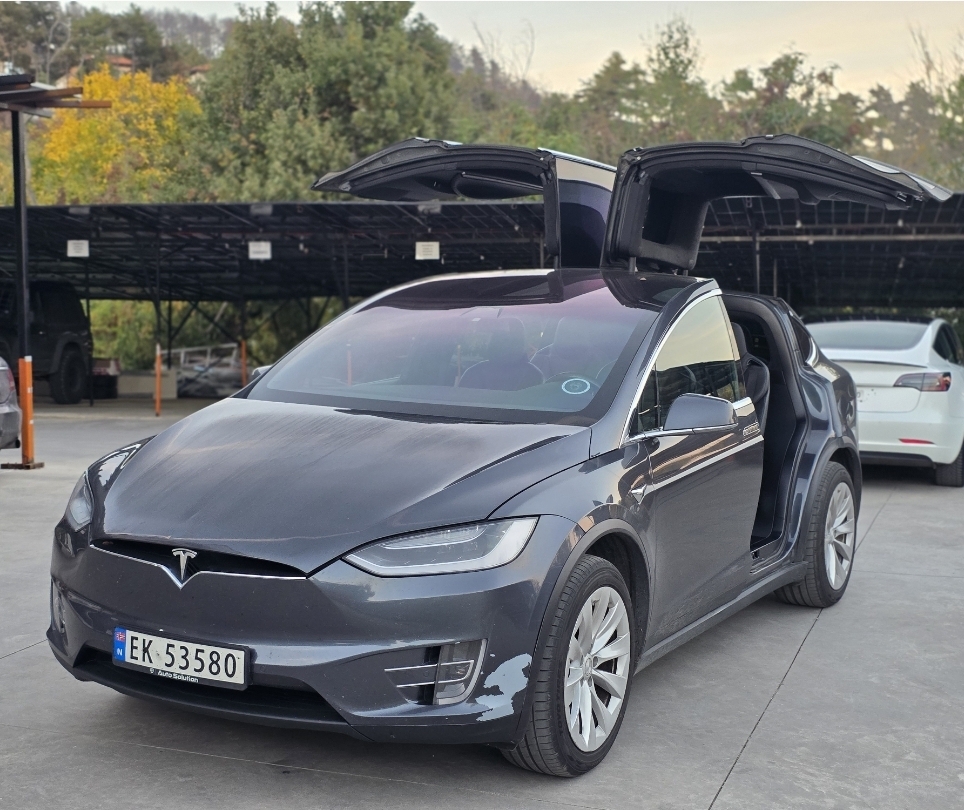
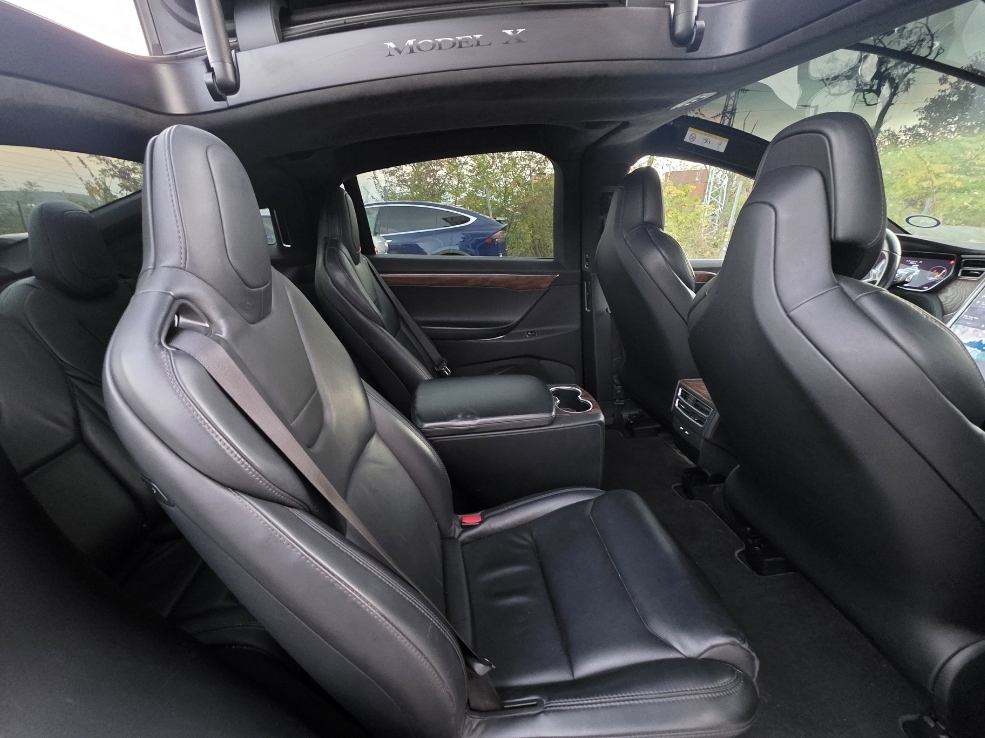
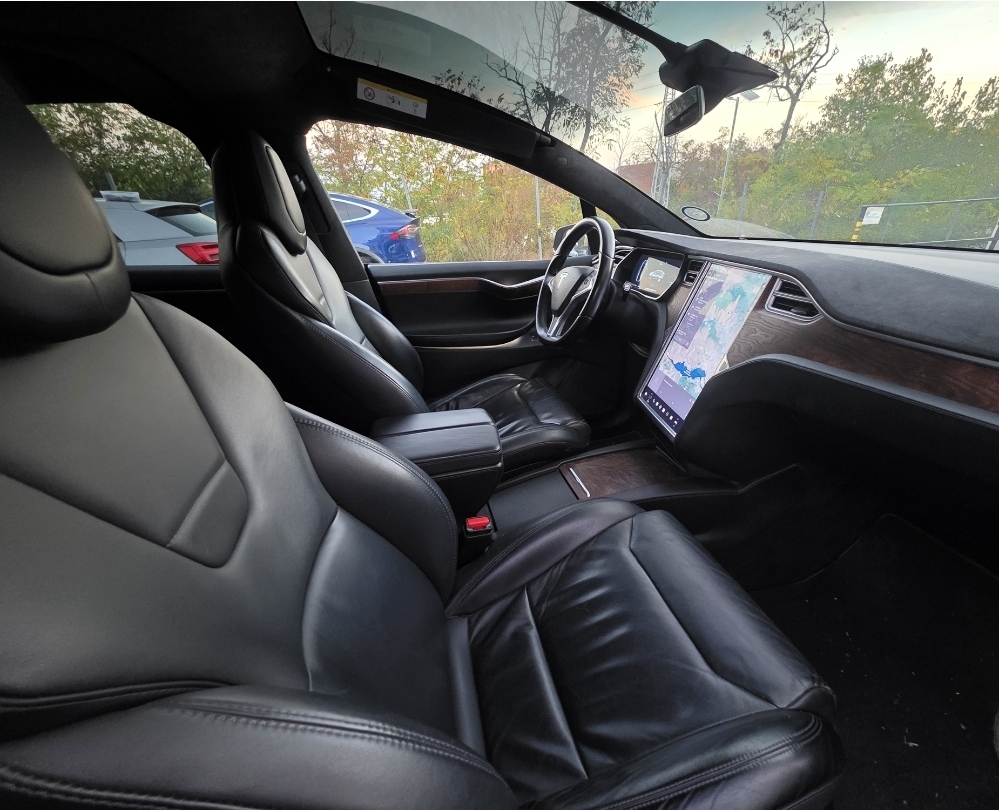
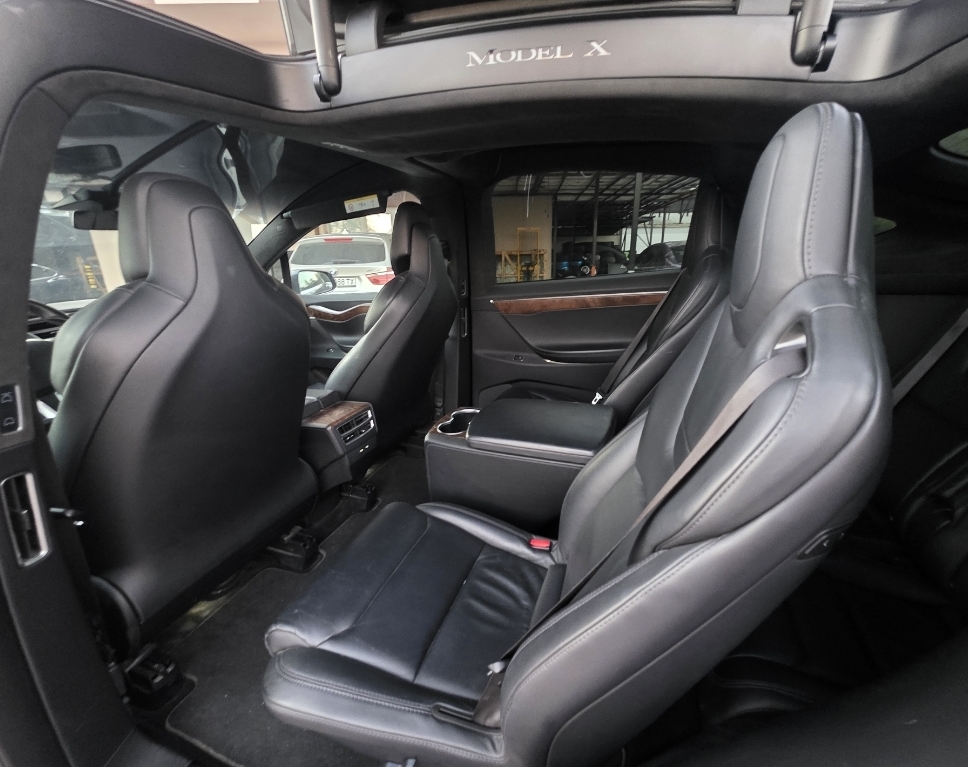
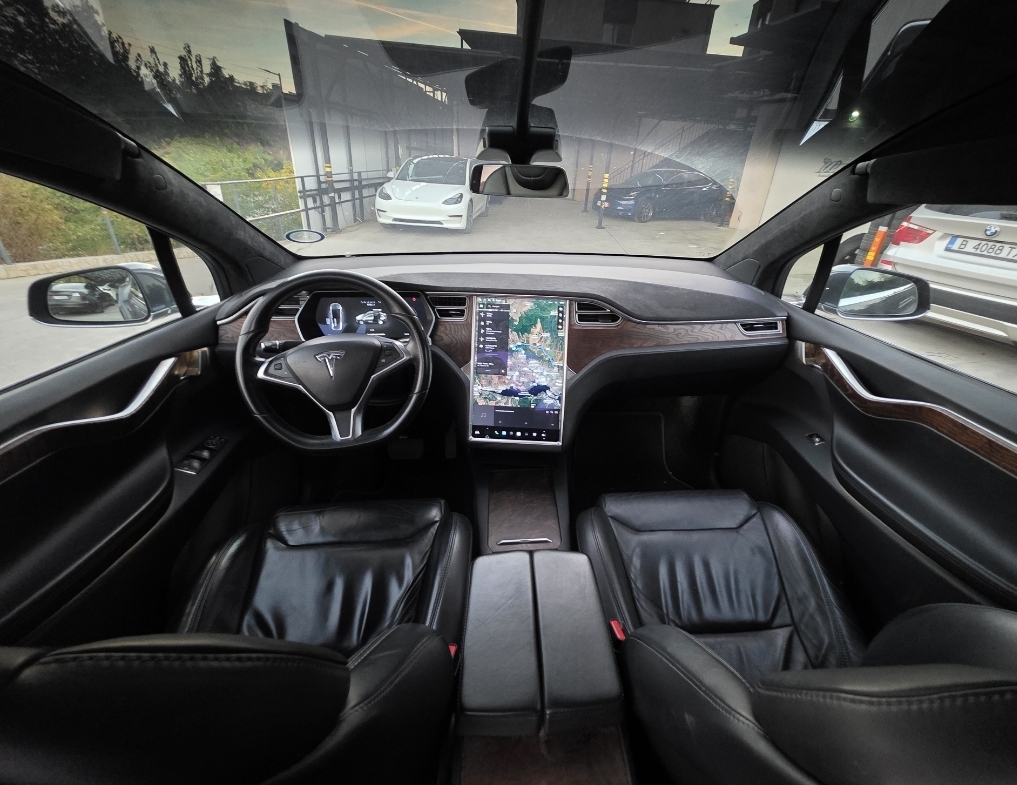
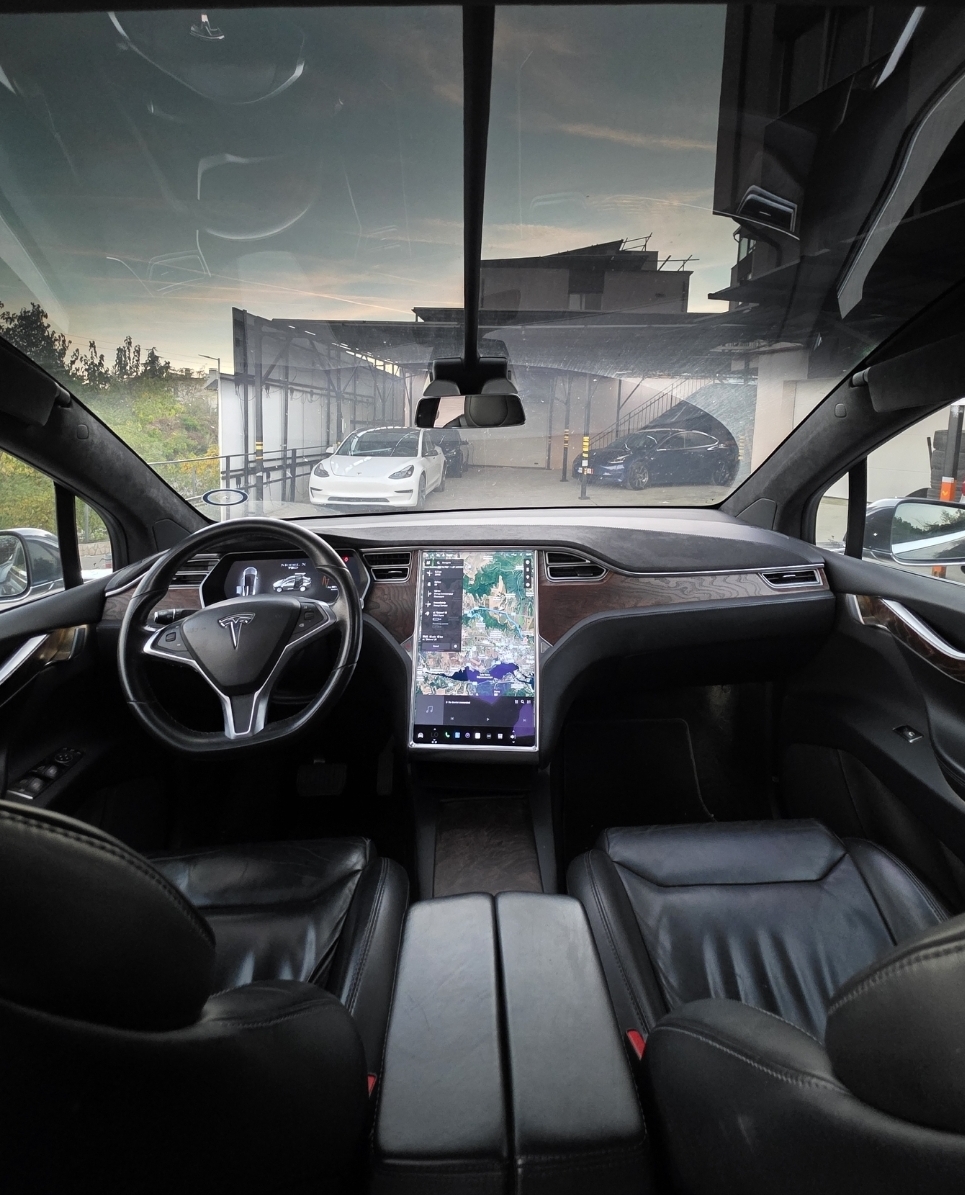
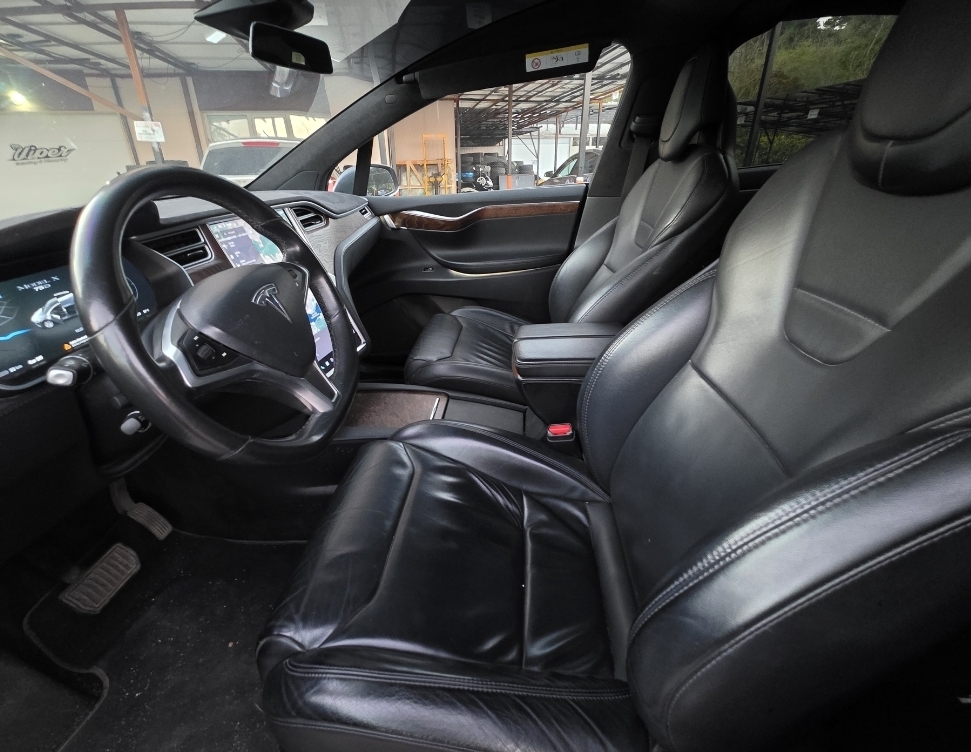
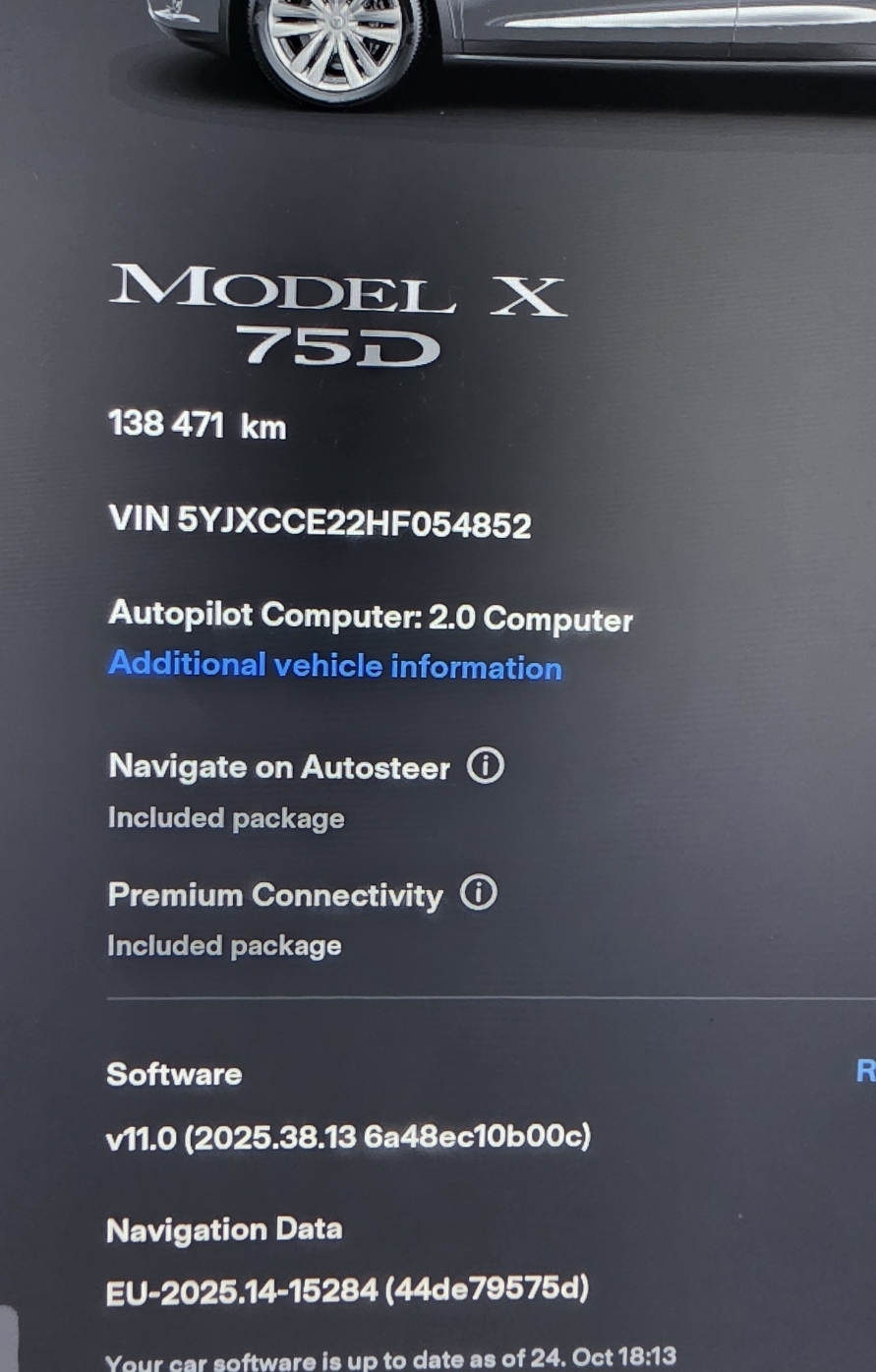
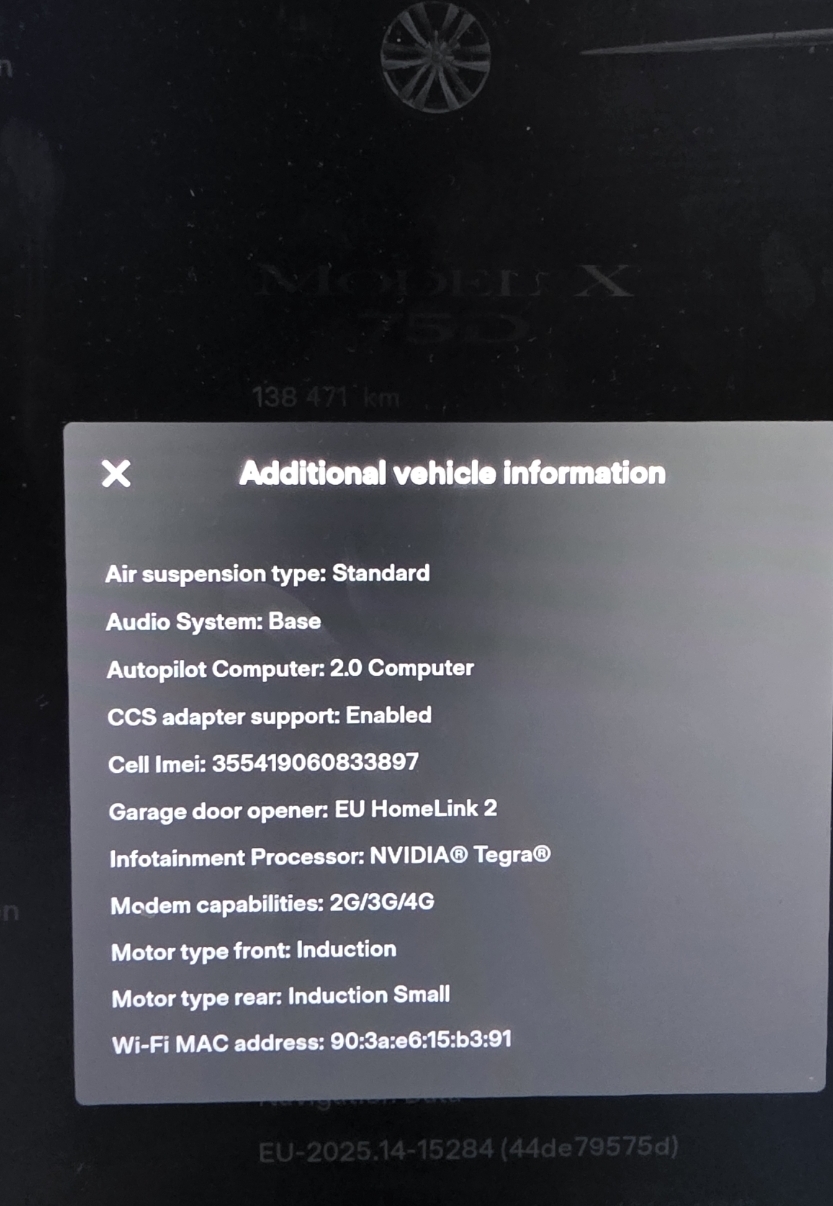
Here's an outline of the benefits of the 2018 Tesla Model X 75D, EU spec with Autopilot:
1. Powertrain & Performance
Dual-motor AWD – traction and stability in rain, snow, and low-grip conditions; safer year-round handling
Strong acceleration – 0–100 km/h in ~4.9 s (with Ludicrous/launch capability depending on spec); instant torque
75 kWh battery – ~417 km WLTP (real-world ~300–350 km), adequate for daily use and regional trips but the shortest range in the Model X lineup
Free Supercharging (on many 2018 cars, depending on original purchase terms) – a significant ownership perk if transferable
Regenerative braking – one-pedal driving, energy recovery, reduced brake wear
2. Autopilot (EU spec, 2018 hardware)
Traffic-Aware Cruise Control – adaptive cruise that follows traffic speed
Autosteer – lane-centering assistance on highways and well-marked roads, reducing fatigue on long journeys
Standard active safety – AEB, forward collision warning, lane departure avoidance, blind-spot monitoring
Hardware 2.5 (typically) – supports paid upgrades (Enhanced Autopilot/FSD features where legally available in the EU)
Over-the-air updates – Autopilot behavior and features improved remotely over time (though HW2.5 is now older and more limited than newer hardware)
3. Signature Model X Features
Falcon Wing rear doors – distinctive, power-operated doors with obstacle detection; excellent access to second/third rows, especially in tight parking
Panoramic windshield – huge glass area, excellent forward visibility and cabin light
Up to 7 seats – 5-, 6-, or 7-seat configurations; flexible family practicality
Air suspension – adjustable ride height and comfort; self-leveling
Power-folding rear seats and power liftgate
Towing capability – EU-spec towing package option (up to ~2,250 kg braked, depending on configuration)
HEPA air filtration ("Bioweapon Defense Mode") – advanced cabin air filtration
4. Charging & Infrastructure
Supercharger access – fast DC charging on Tesla's extensive EU network (75D charges at a more modest rate than newer cars, ~120–150 kW peak)
AC charging – onboard charger for home/work charging (11 kW or 16.5 kW depending on option)
Trip planning integration – navigation routes via Superchargers with battery preconditioning (where supported)
Free/transferable Supercharging – a meaningful benefit on many 2018 cars, offsetting the shorter range
5. Ownership Experience
Minimal maintenance vs. ICE – fewer service intervals, no oil changes
OTA software updates – new features and improvements delivered remotely (limited by older hardware over time)
Phone key / app control – remote climate, charging status, location, summon (where available)
Sentry Mode & Dashcam – built-in security and incident recording (HW2.5-dependent)
Strong presence and residual appeal – flagship SUV status and distinctive design
6. Practicality & Design
Large SUV practicality – generous cargo space, flexible seating, flat-folding rows
Frunk – additional front storage
Falcon Wing doors + panoramic roof – standout design and easy access
Air suspension – comfort and adjustable ride height for loading/uneven roads
Low center of gravity – battery placement improves stability despite SUV height
7. Safety
Strong crash-test results – high ratings for the Model X platform
AWD stability – improved traction and control in adverse conditions
Standard active safety suite – AEB, lane departure avoidance, collision avoidance
Low center of gravity – improved rollover resistance for an SUV
HEPA filtration – cabin air quality benefit
8. Environmental & Regulatory (EU)
Zero tailpipe emissions – access to low-emission zones in many EU cities
Tax/incentive eligibility – depending on country, EV incentives, reduced road tax, or company-car tax advantages (note: large SUV may face higher benefit-in-kind in some markets)
Low noise – quieter operation, beneficial in urban environments
9. Value Proposition
Flagship tech at depreciated prices – falcon wing doors, air suspension, AWD, and Autopilot at a fraction of original cost
Free Supercharging (if transferable) – lowers running costs meaningfully
Low energy and maintenance costs – vs. comparable large ICE SUVs
Software-defined vehicle – features can be added later (within hardware limits)