
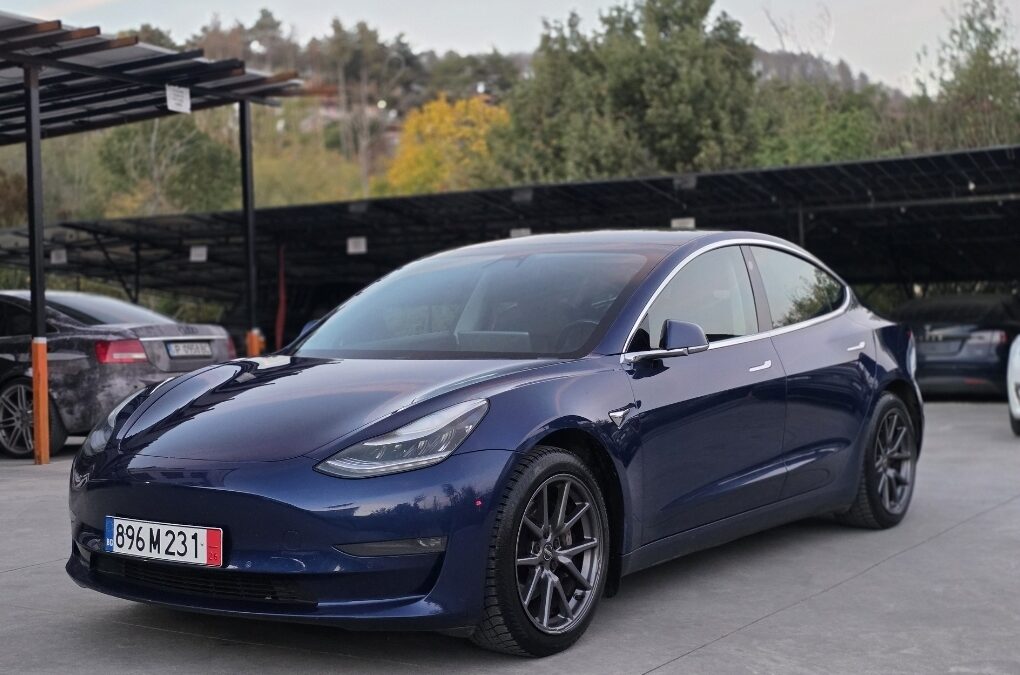
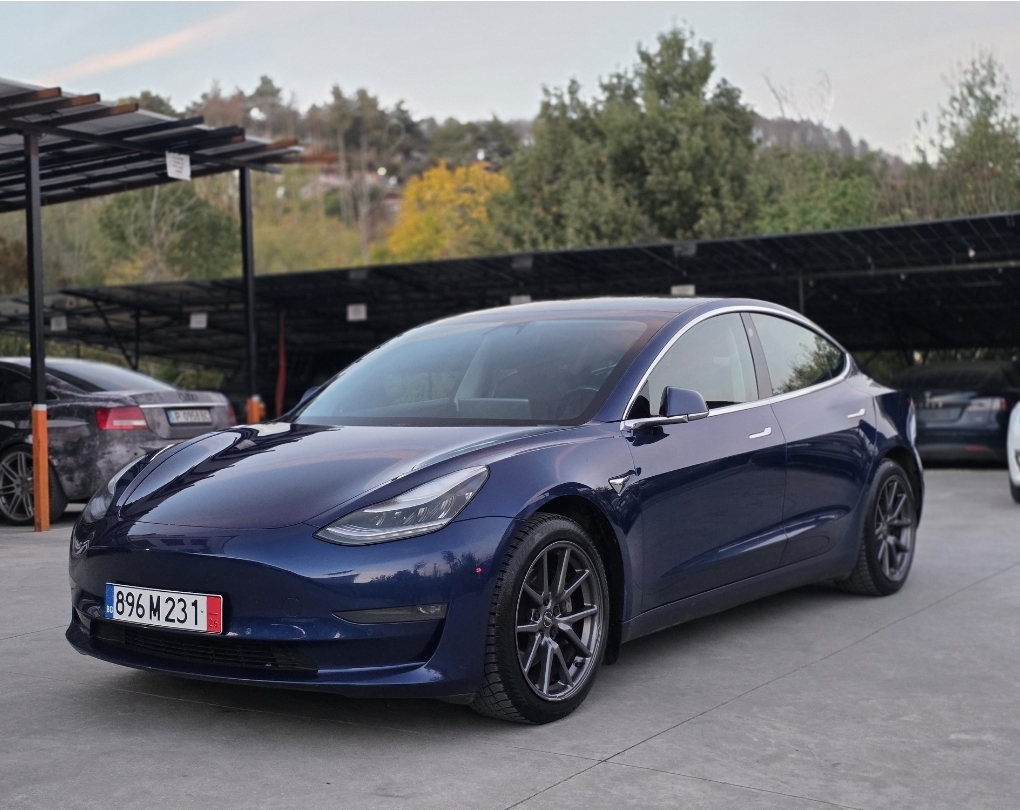
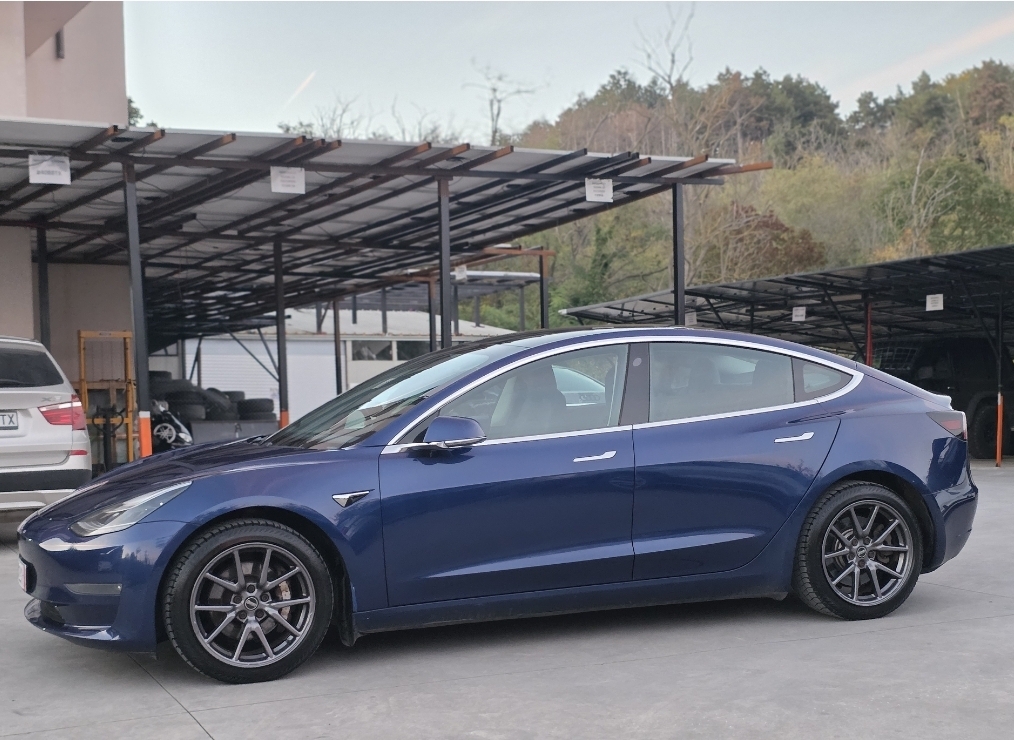
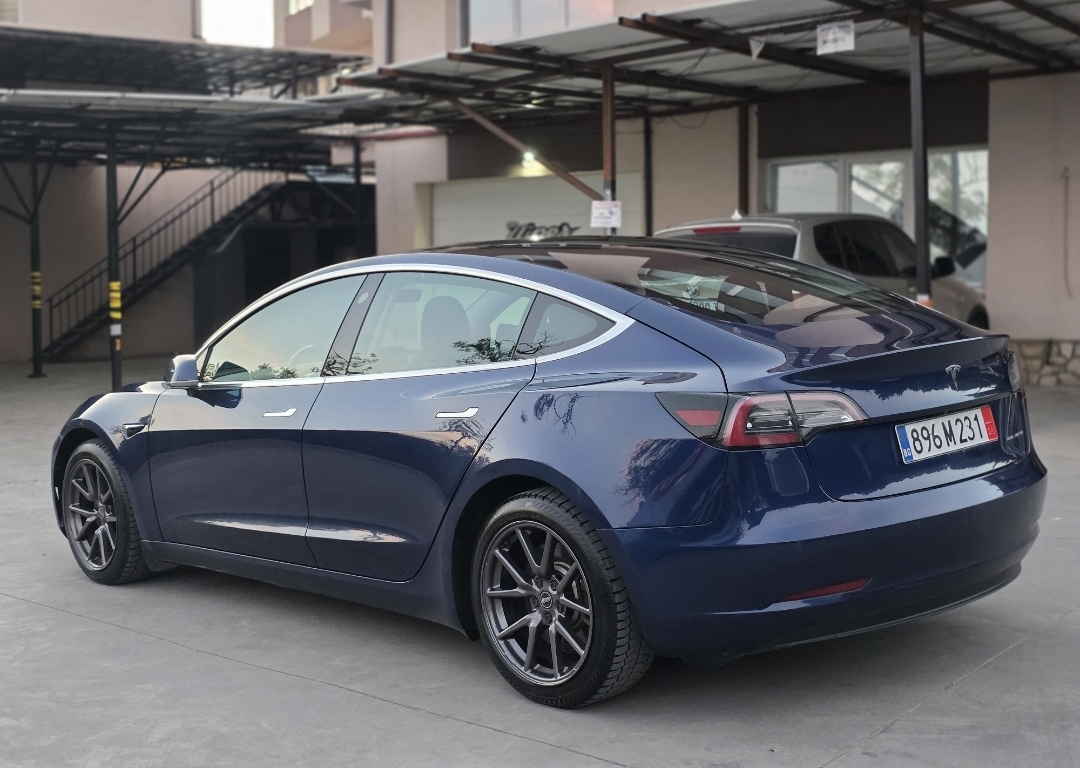
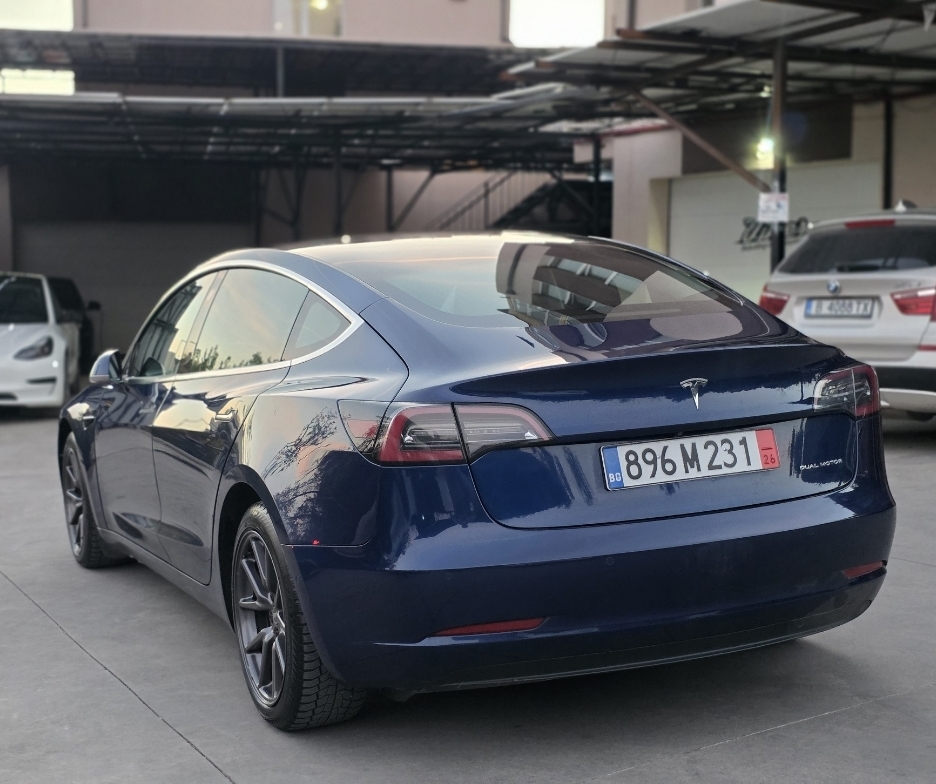
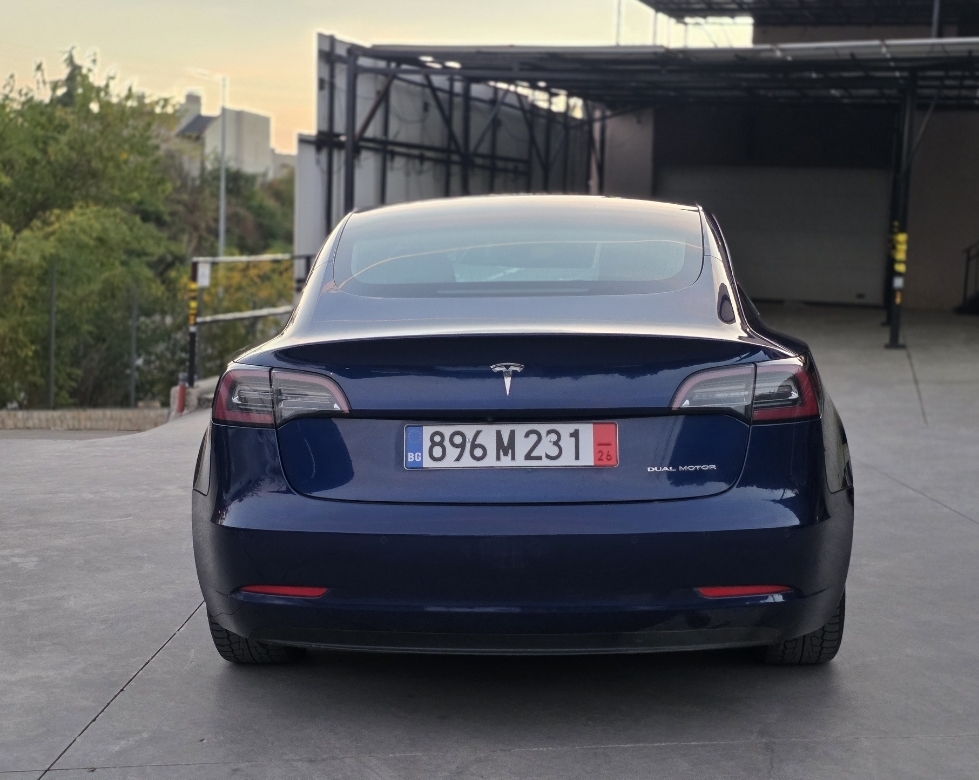
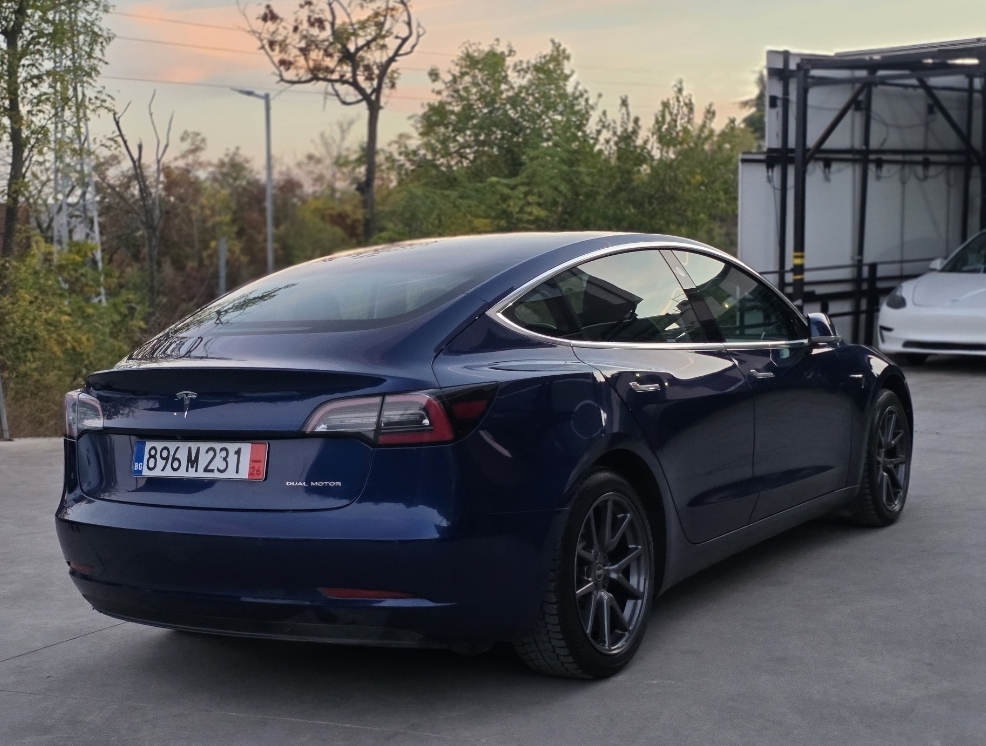
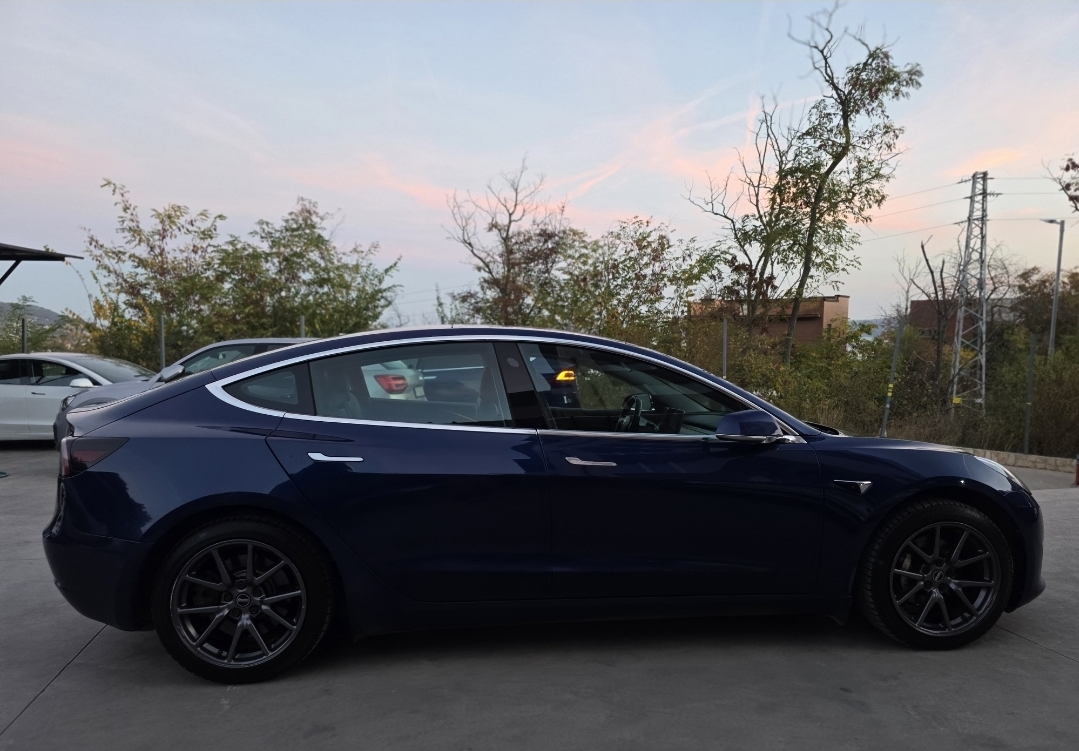
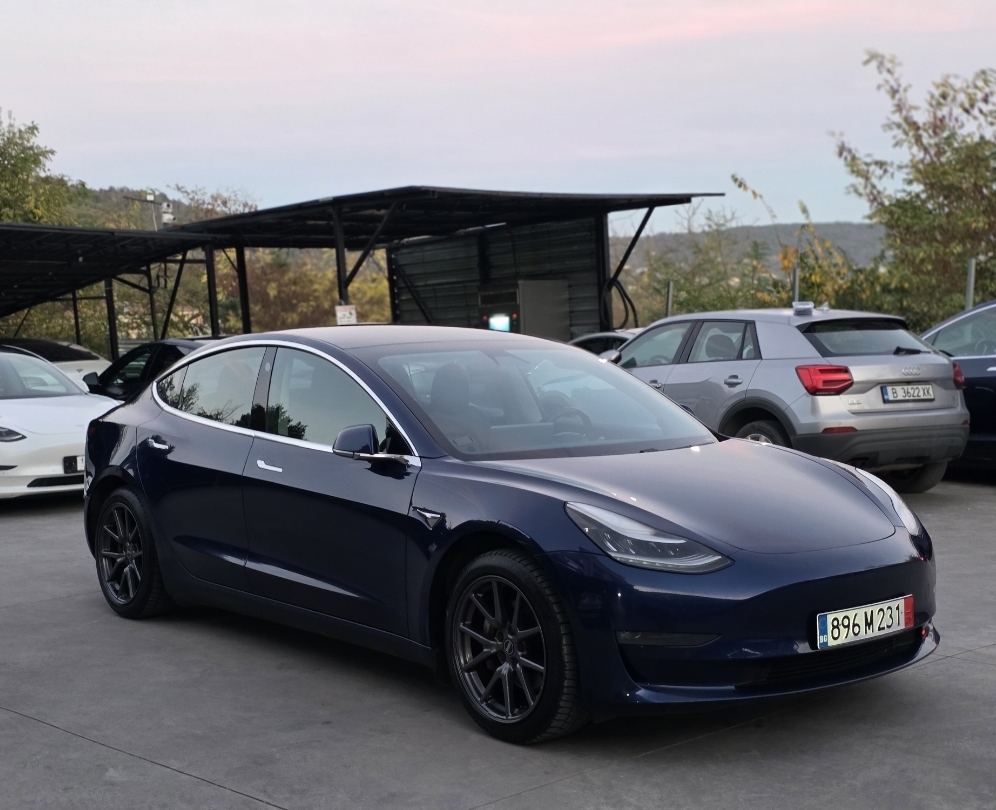
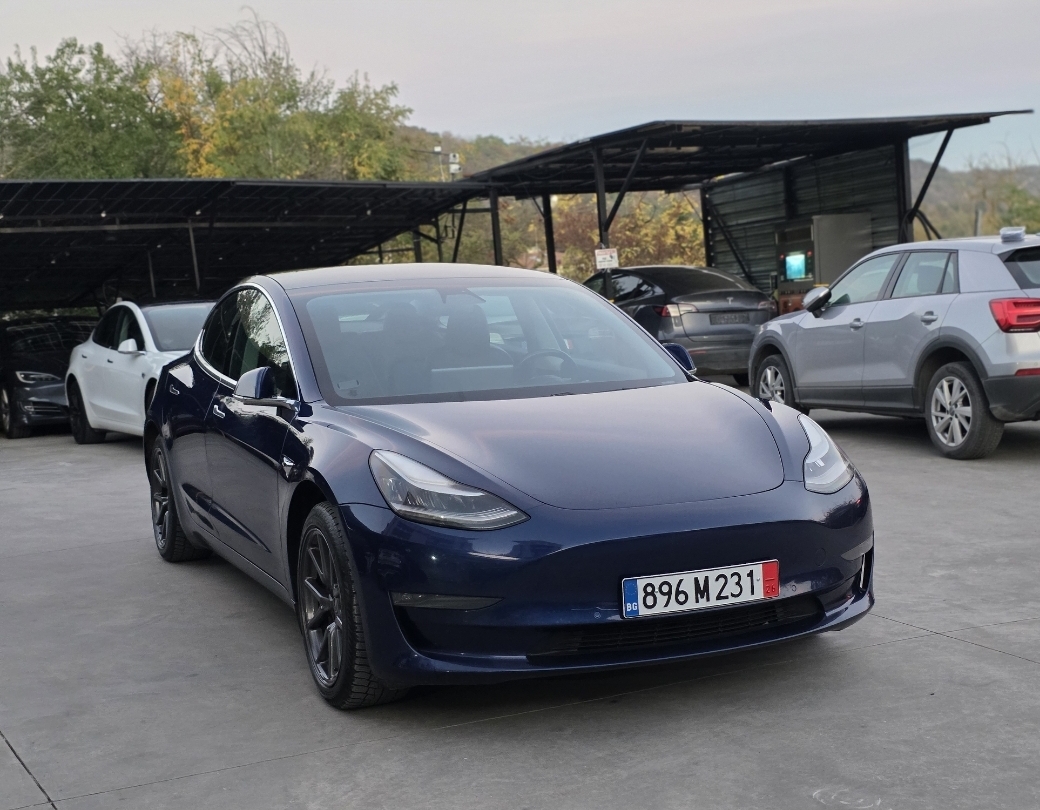
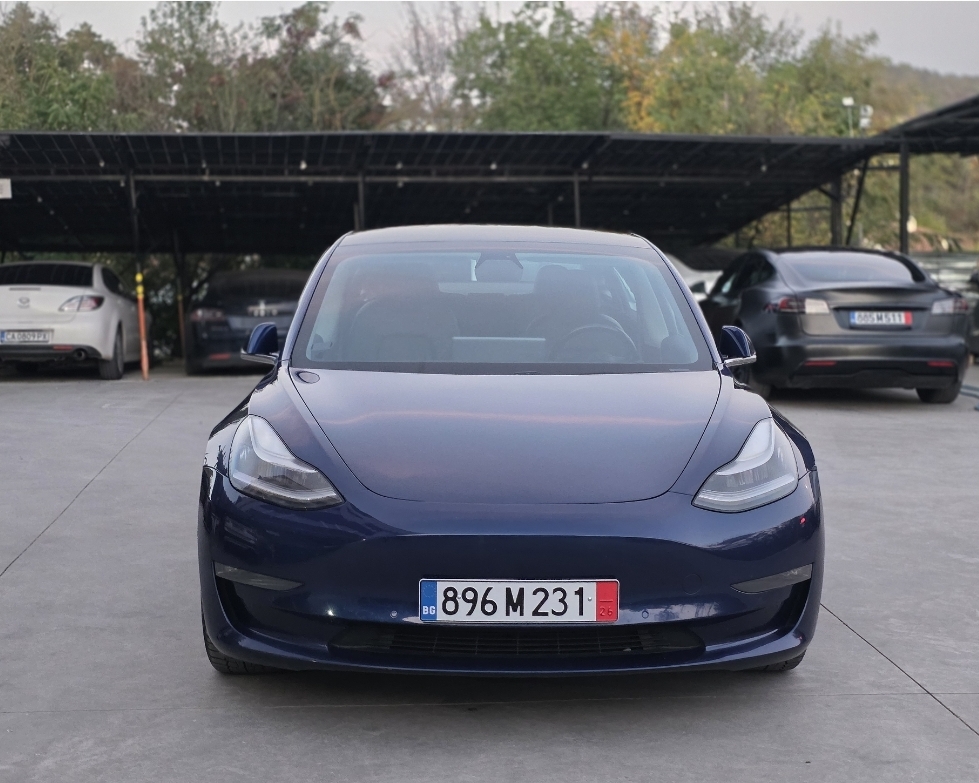
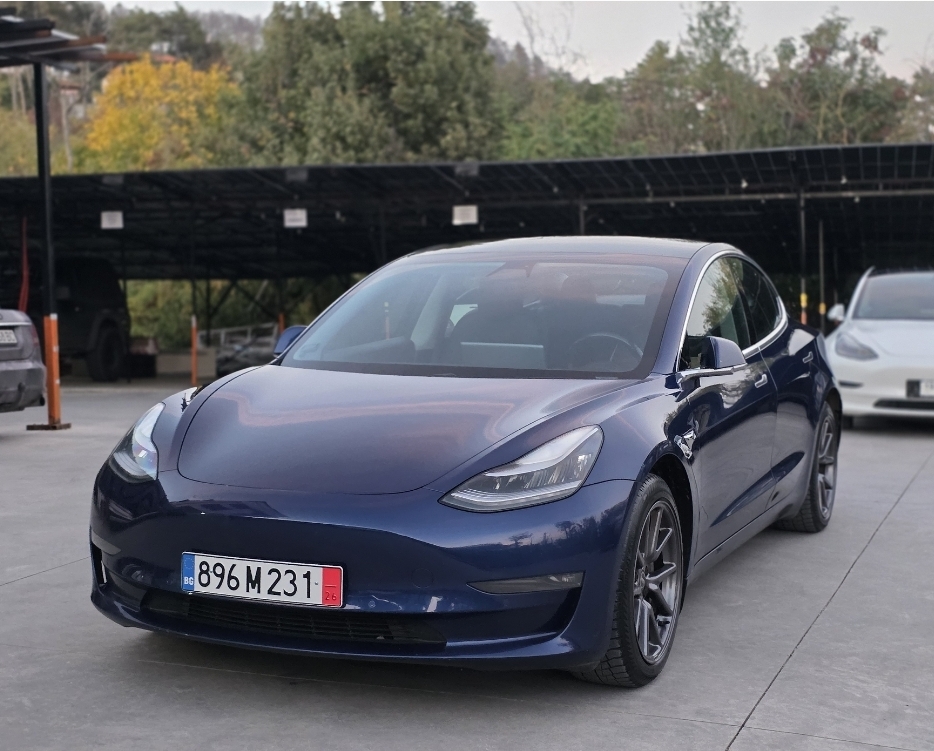
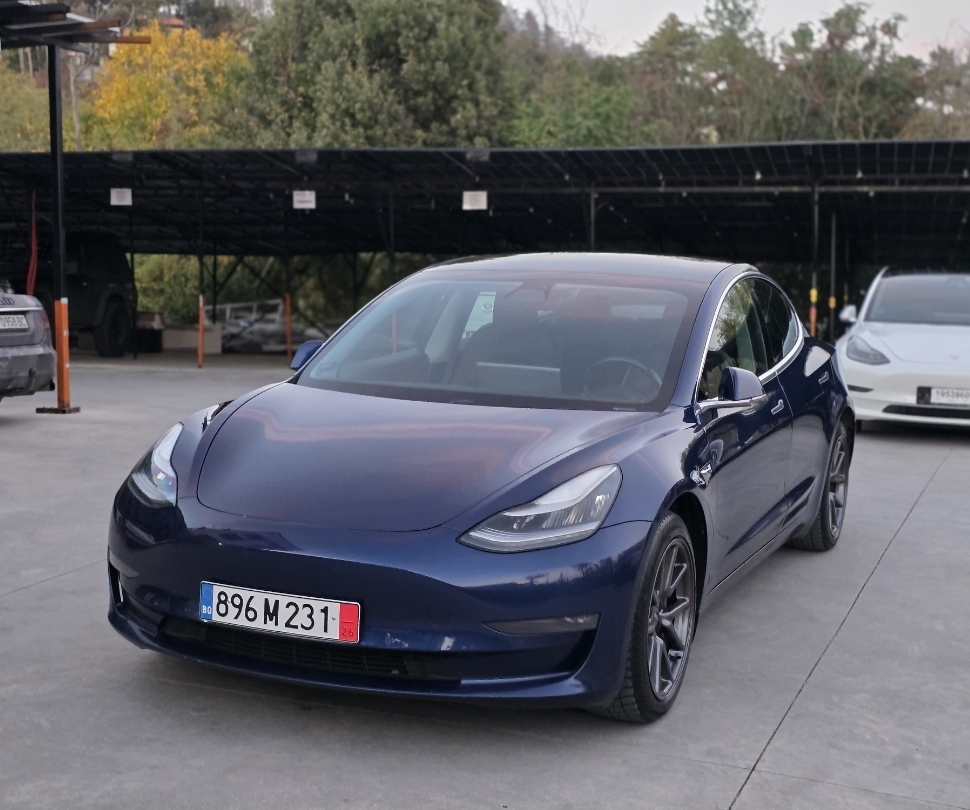
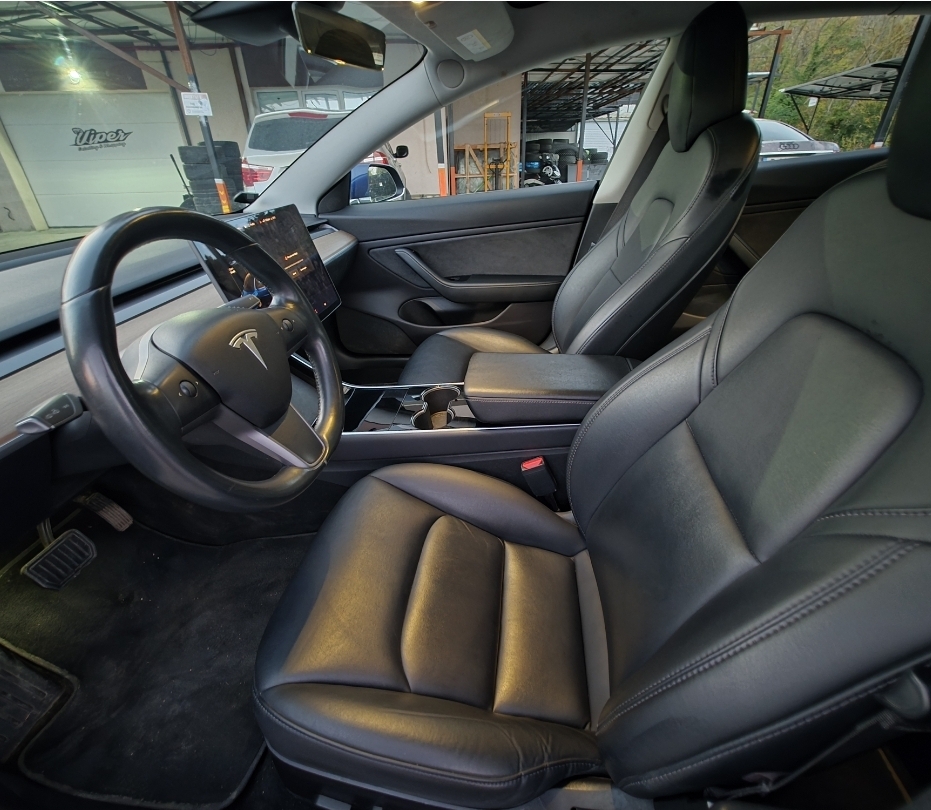
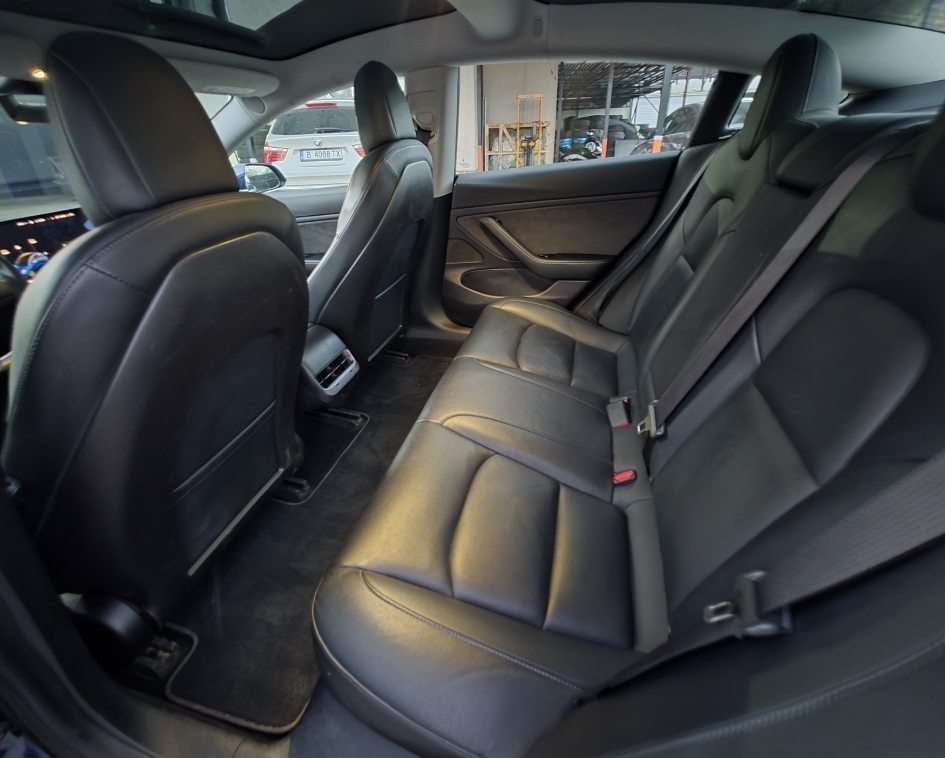
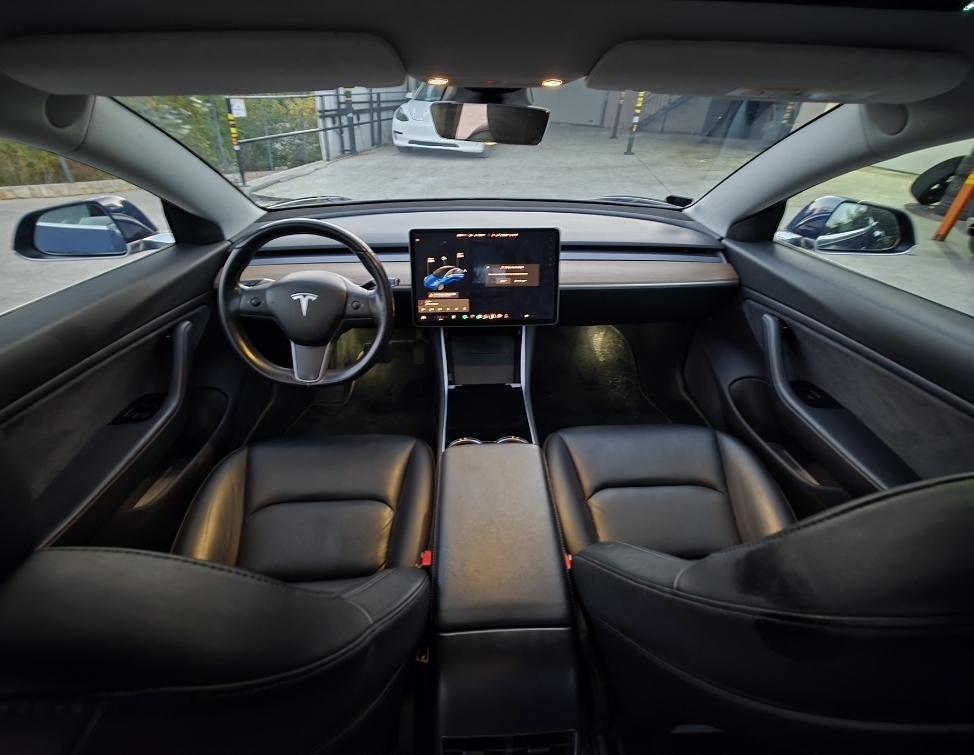
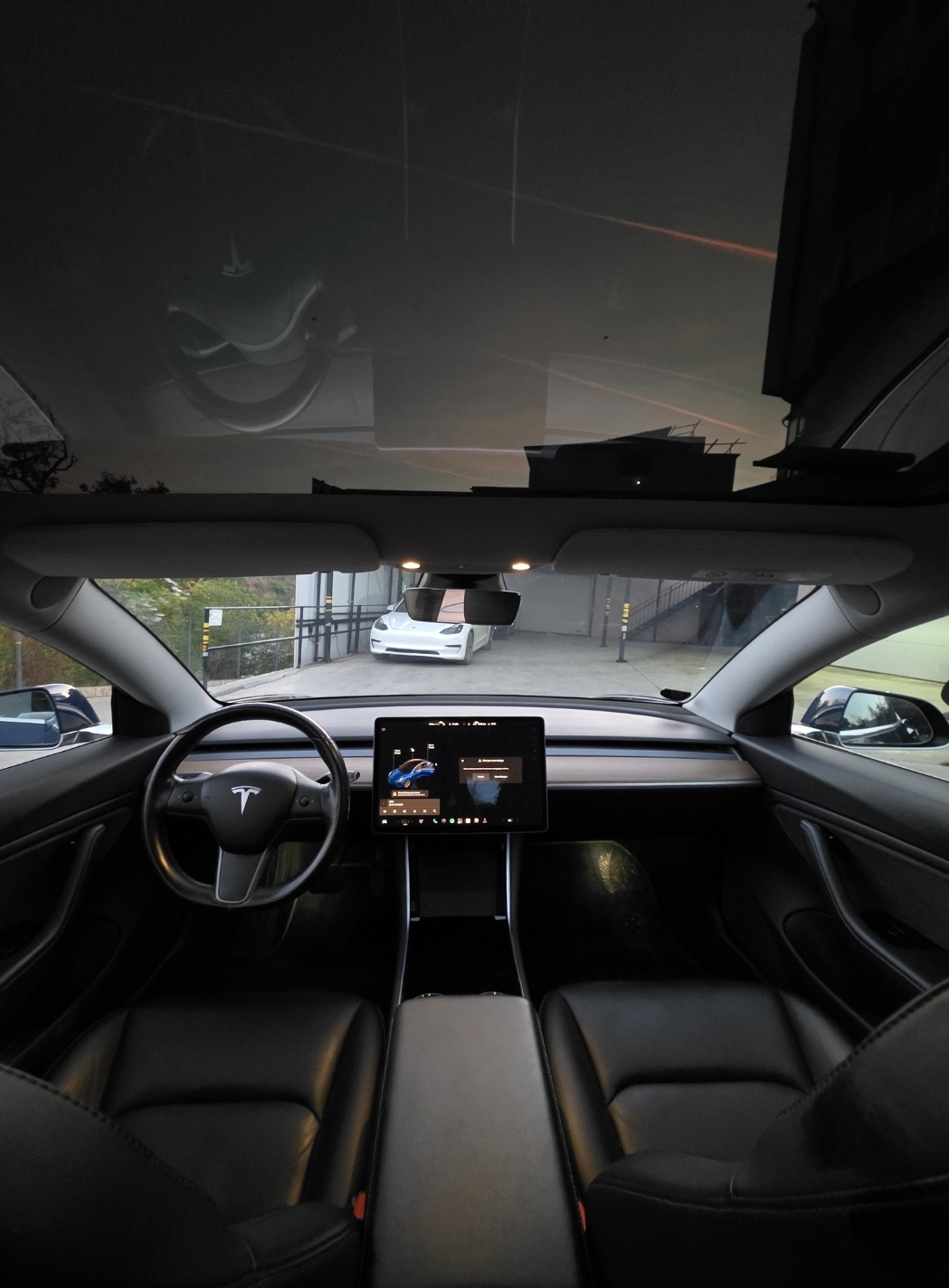
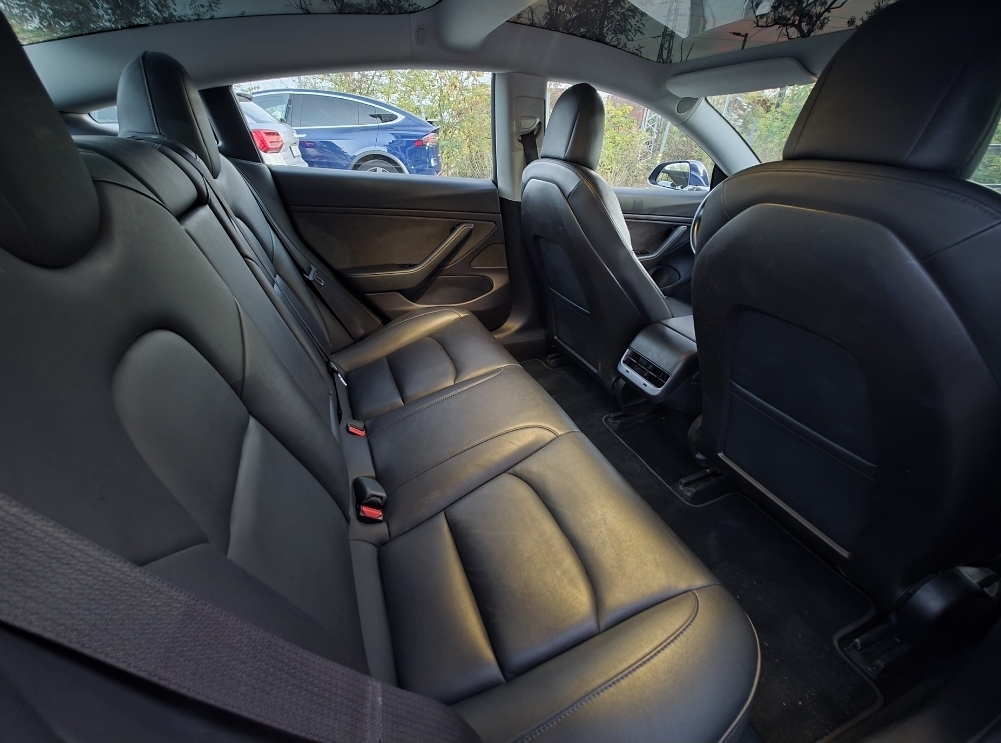
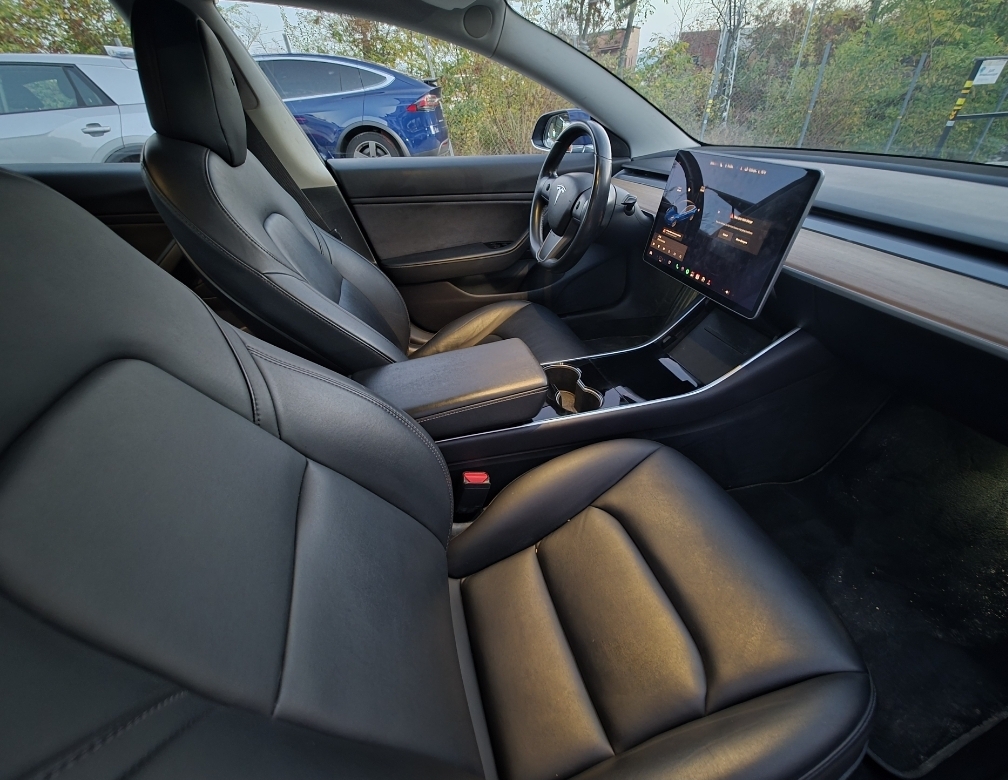
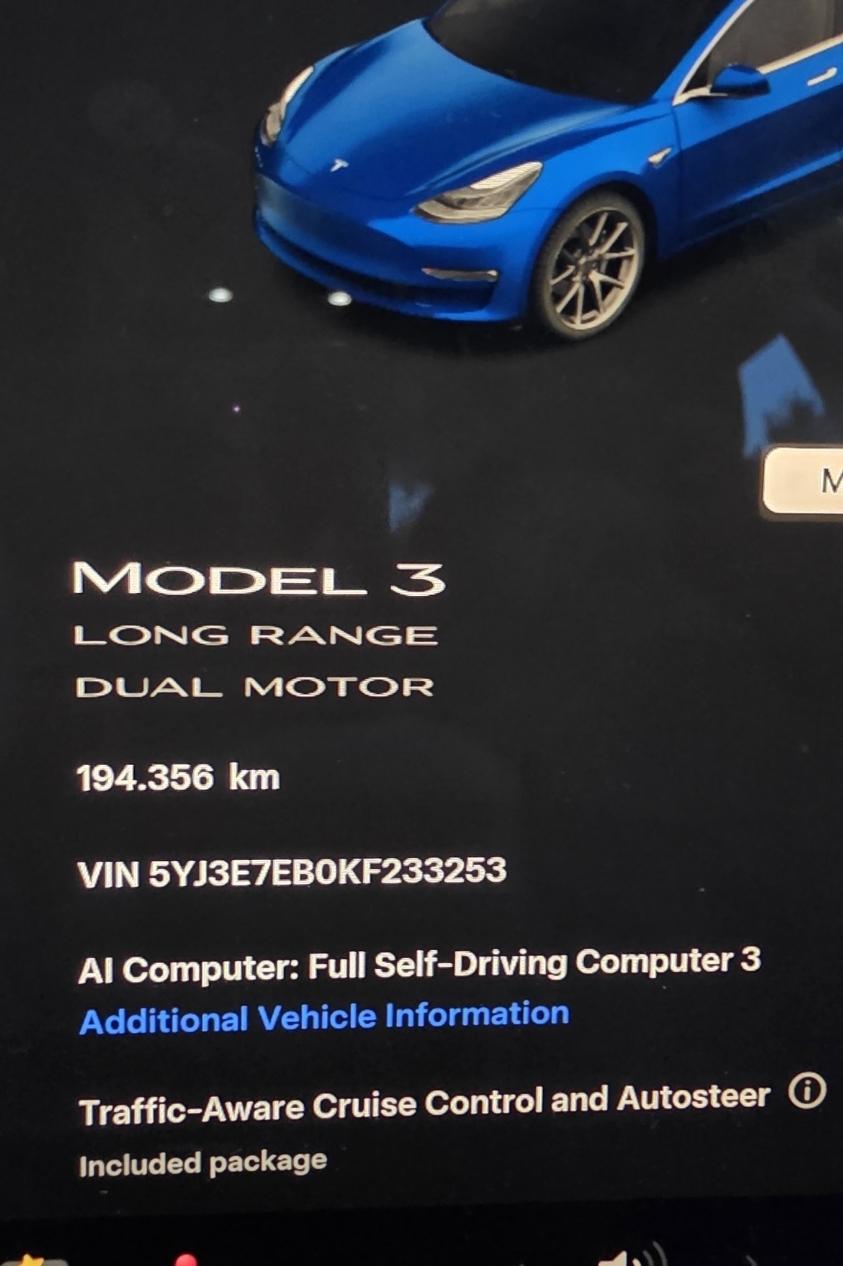
Here's an outline of the benefits of the 2020 Tesla Model 3 Long Range AWD (4x4), EU spec with FSD (Full Self-Driving capability) — with emphasis on what makes this specific configuration attractive:
1. Powertrain & Performance
Dual-motor AWD (4x4) – traction and stability in rain, snow, and low-grip conditions; safer year-round handling
Strong performance – 0–100 km/h in ~4.4 s; quick yet efficient
Long range – ~560 km WLTP (real-world ~400–480 km), well-suited to long-distance travel with fewer charging stops
Good efficiency for AWD – competitive consumption (~15–17 kWh/100 km)
Regenerative braking – one-pedal driving, energy recovery, reduced brake wear
Note: the 2020 car predates the heat pump (added late 2020/2021), so winter range retention is weaker than facelift cars
2. FSD (Full Self-Driving capability) — EU spec
FSD entitlement locked in – the car is purchased with FSD, so it retains the right to FSD features as they're released and approved in the EU (a key value point vs. buying Autopilot-only)
HW3 / FSD Computer – most 2020 cars have the FSD computer, supporting the full feature set as regulations allow; hardware upgrades are typically covered under the FSD purchase
Navigate on Autopilot (NoA) – highway on-ramp-to-off-ramp driving with automatic lane changes and interchanges (where enabled in the EU)
Auto Lane Change – automatic lane changes with turn-signal confirmation
Autopark – automated parallel/perpendicular parking
Summon / Smart Summon – move the car remotely via app (scope limited by EU regulation)
Traffic Light and Stop Sign Control – where legally enabled; stops at lights/signs with driver confirmation
Standard Autopilot included – Traffic-Aware Cruise Control and Autosteer as the base layer
OTA updates – FSD and Autopilot behavior improve remotely over time
3. Charging & Infrastructure
Supercharger access – fast DC charging (~250 kW peak on V3, ~150 kW on V2) on Tesla's extensive EU network
11 kW AC onboard charger – convenient home/work charging
Trip planning integration – navigation routes via Superchargers with battery preconditioning
Long range = fewer stops – practical advantage on long EU journeys
4. Ownership Experience
Minimal maintenance – fewer service intervals, lower long-term costs vs. ICE
OTA software updates – new features and improvements delivered remotely (a core benefit of the FSD purchase)
Phone key / app control – remote climate, charging status, Sentry Mode, location
Sentry Mode & Dashcam – built-in security and incident recording (USB storage required)
Strong residual value – Model 3 holds value well; FSD adds perceived value (though the EU resale premium for FSD is modest given regulatory limits)
5. Practicality & Design
Sedan practicality – ~425 L trunk plus frunk; flat-folding rear seats
AWD + long range – better suited to families and long-distance use than SR+
Minimalist interior – 15" touchscreen (Intel Atom MCU on 2020 cars — slower than the later Ryzen), clean design, good visibility
Glass roof – improved cabin light and headroom
Low drag coefficient – contributes to range efficiency
6. Safety
Strong crash-test results – high Euro NCAP/IIHS ratings for the Model 3 platform
AWD stability – improved traction and control in adverse conditions
Standard active safety suite – AEB, lane departure avoidance, collision avoidance, blind-spot monitoring
Low center of gravity – battery placement improves stability and rollover resistance
FSD sensor suite – cameras and (on 2020 cars) radar feed advanced driver-assistance functions
7. Environmental & Regulatory (EU)
Zero tailpipe emissions – access to low-emission zones in many EU cities
Tax/incentive eligibility – depending on country, EV purchase incentives, reduced road tax, or company-car tax advantages
Low noise – quieter operation, beneficial in urban environments
8. Value Proposition
All-round capability – AWD traction, long range, and the full FSD entitlement in one car
FSD as a future option – purchase locks in entitlement to FSD features as EU regulations catch up; hardware upgrades typically included
Low total cost of ownership – cheap energy, low maintenance, incentives offset purchase price
Software-defined vehicle – features can be added/improved later, extending useful life and appeal