
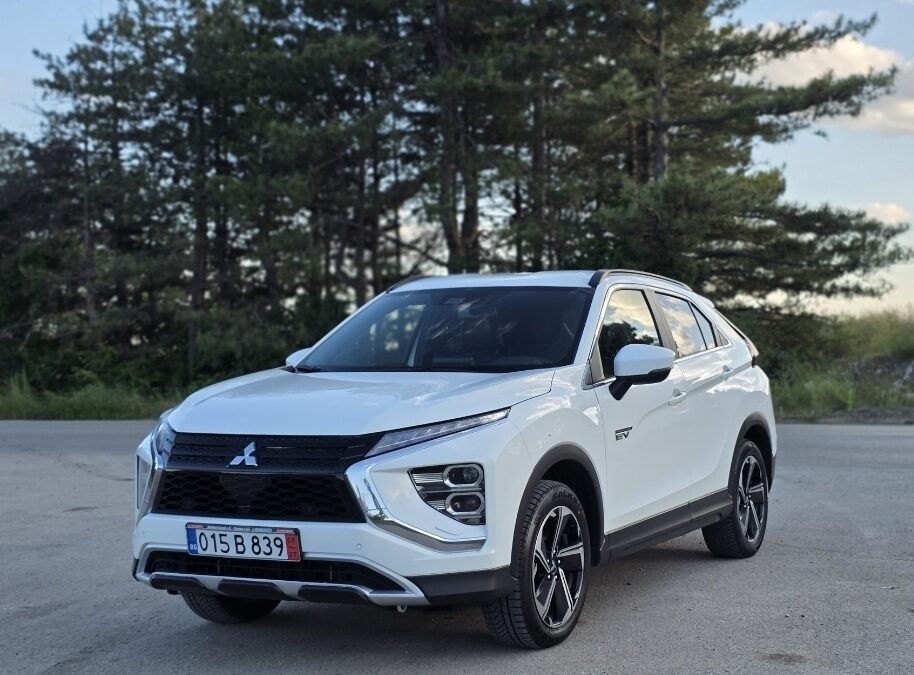
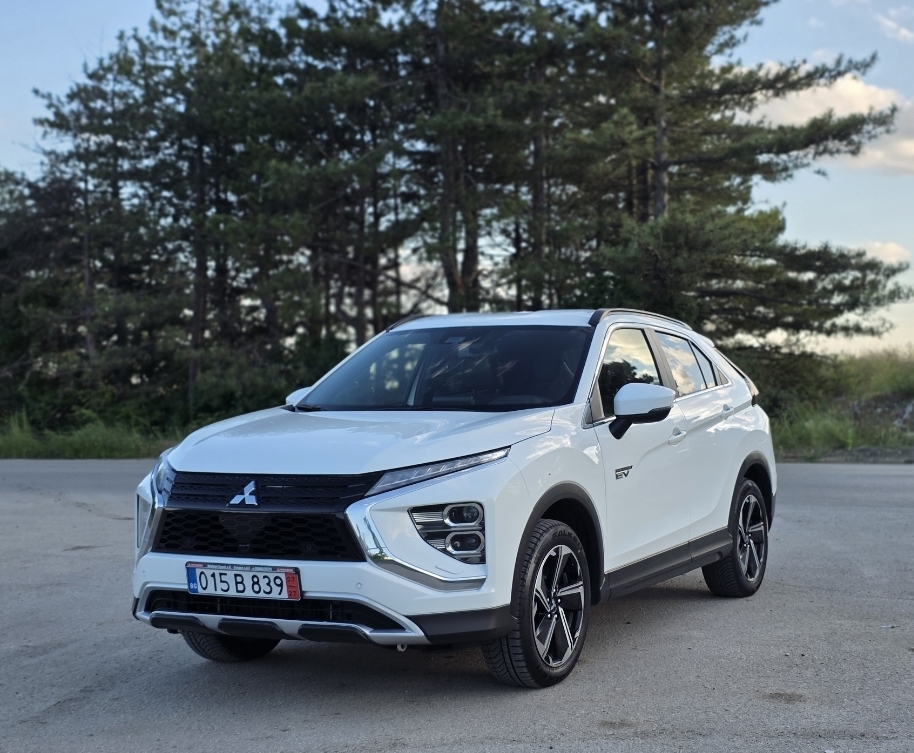
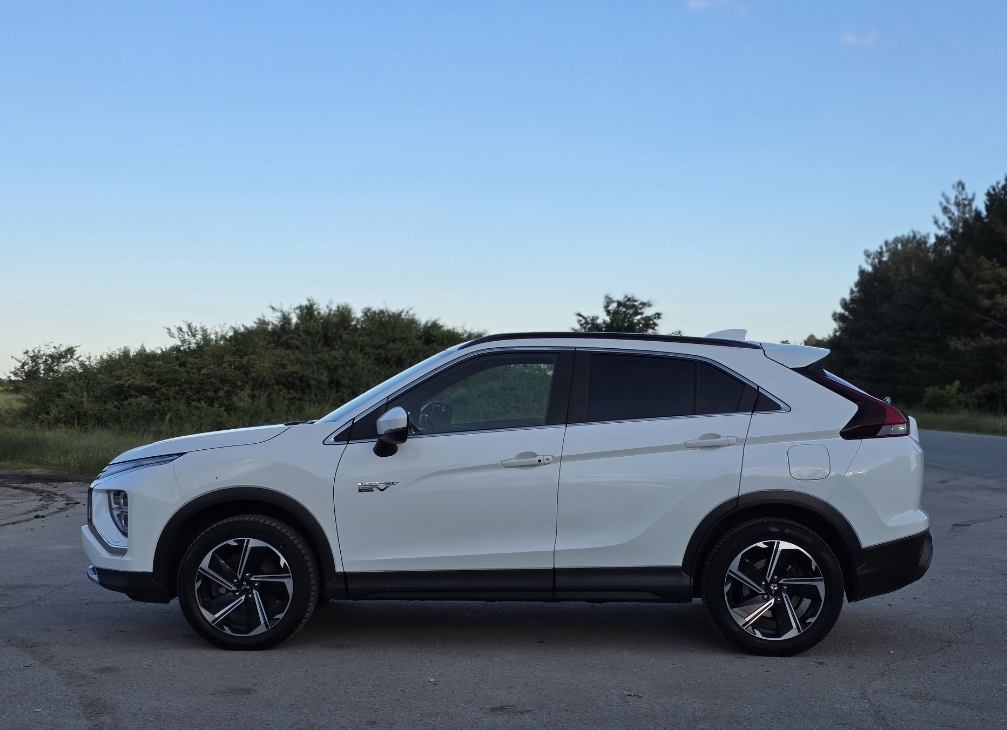
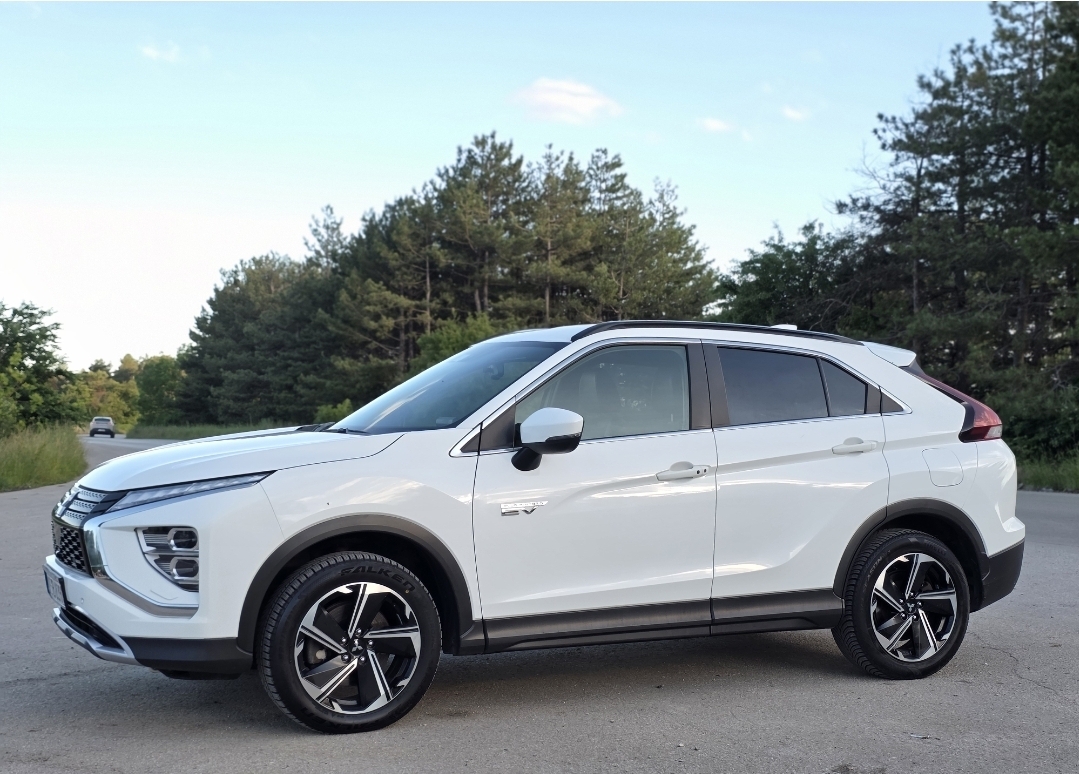
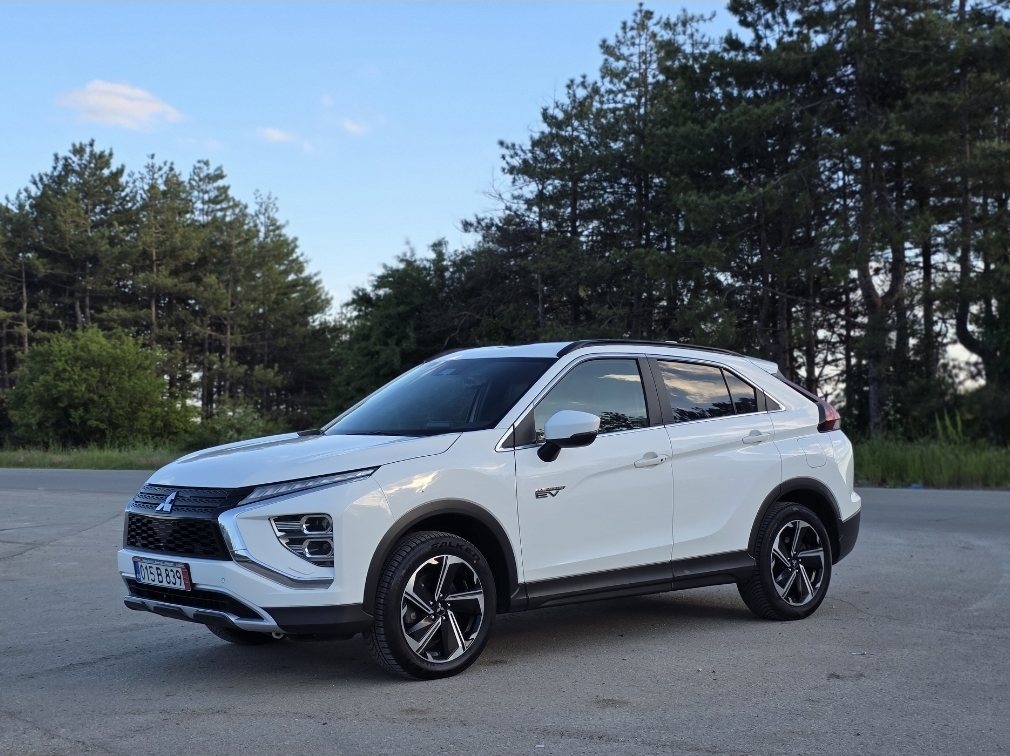
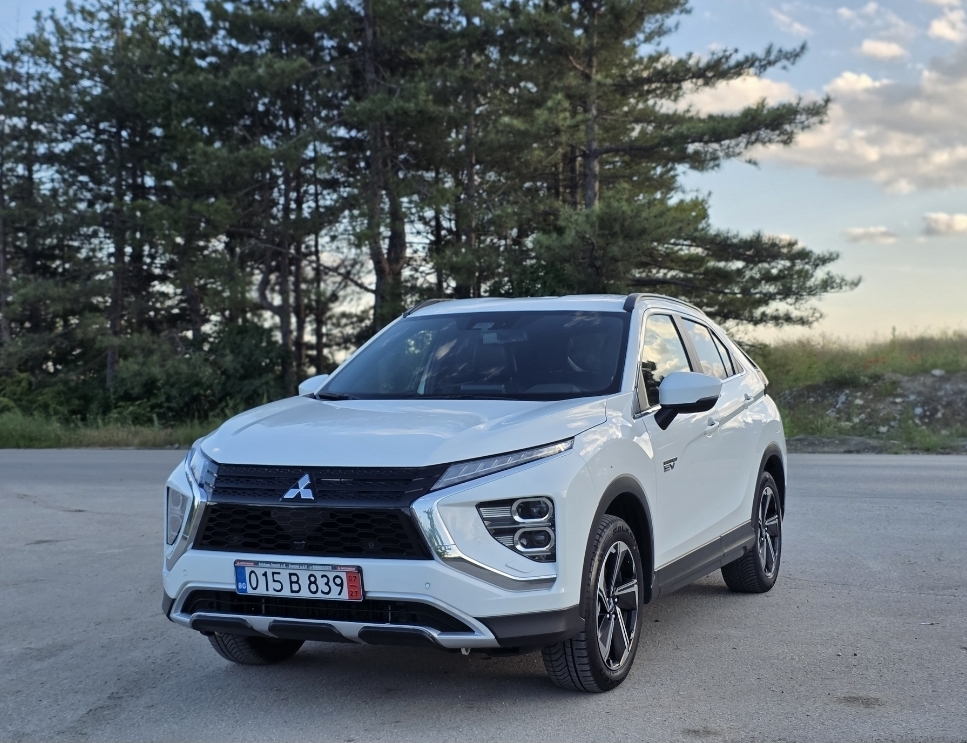
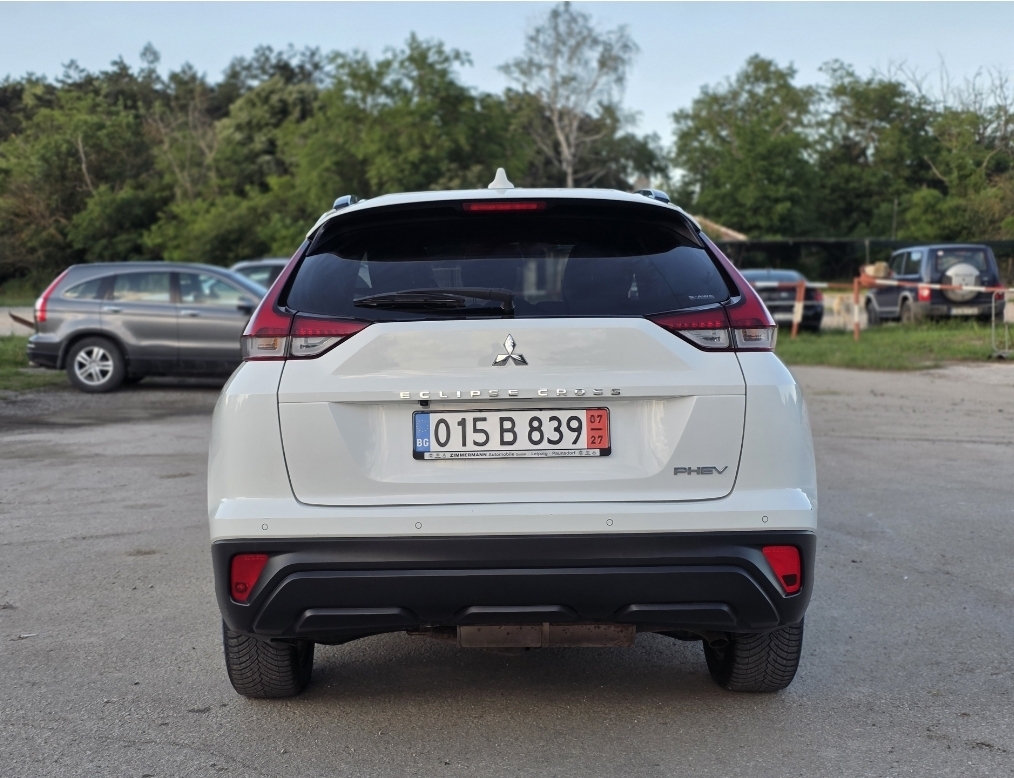
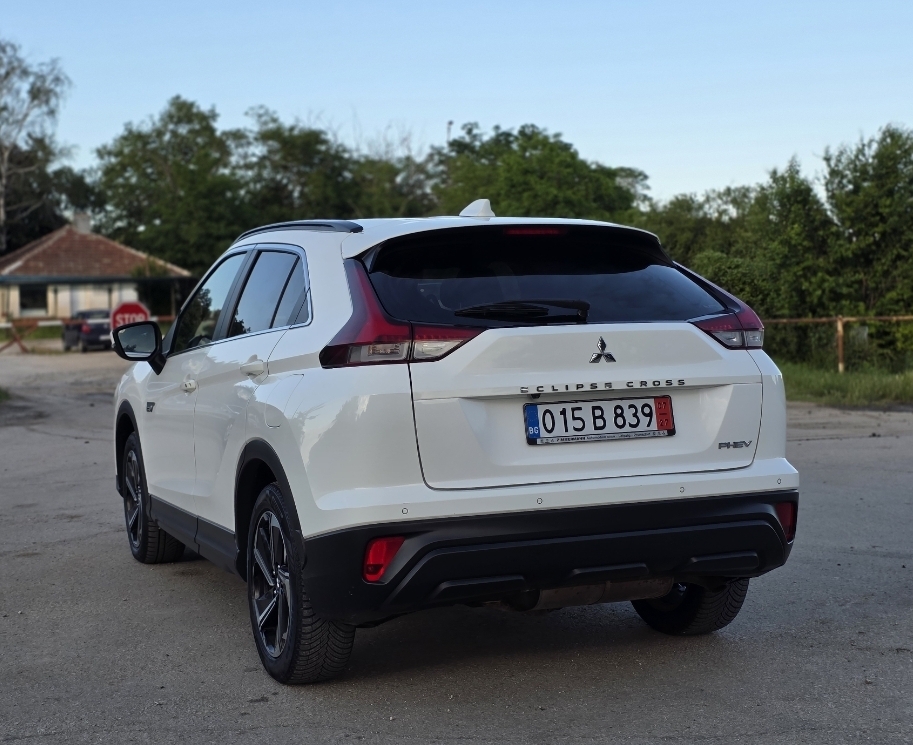
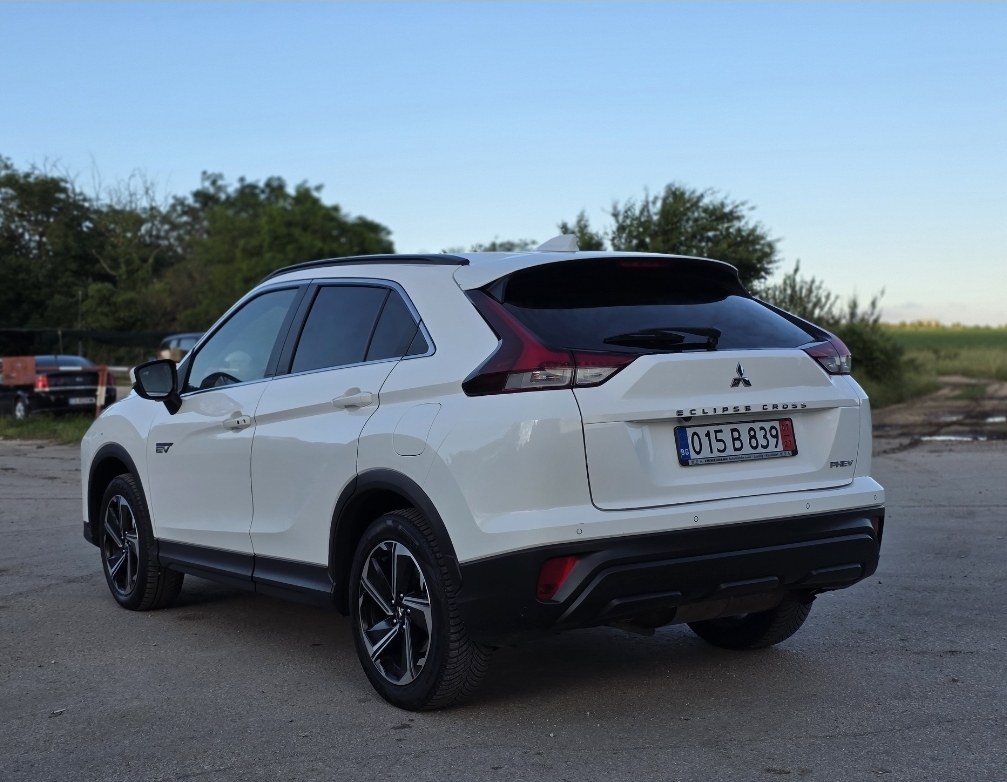
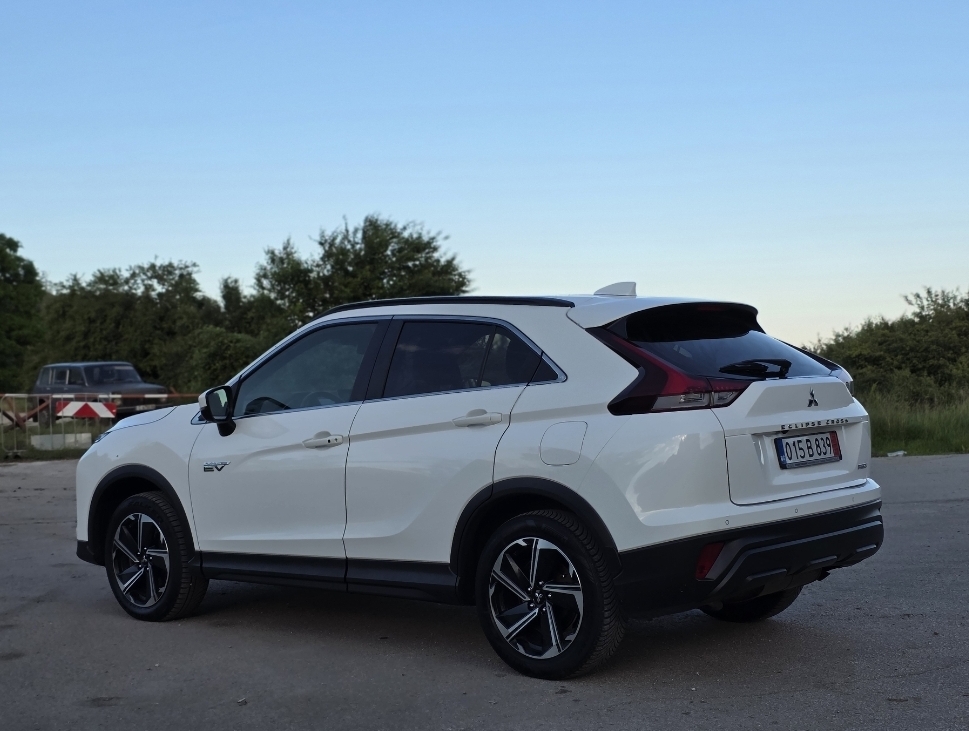
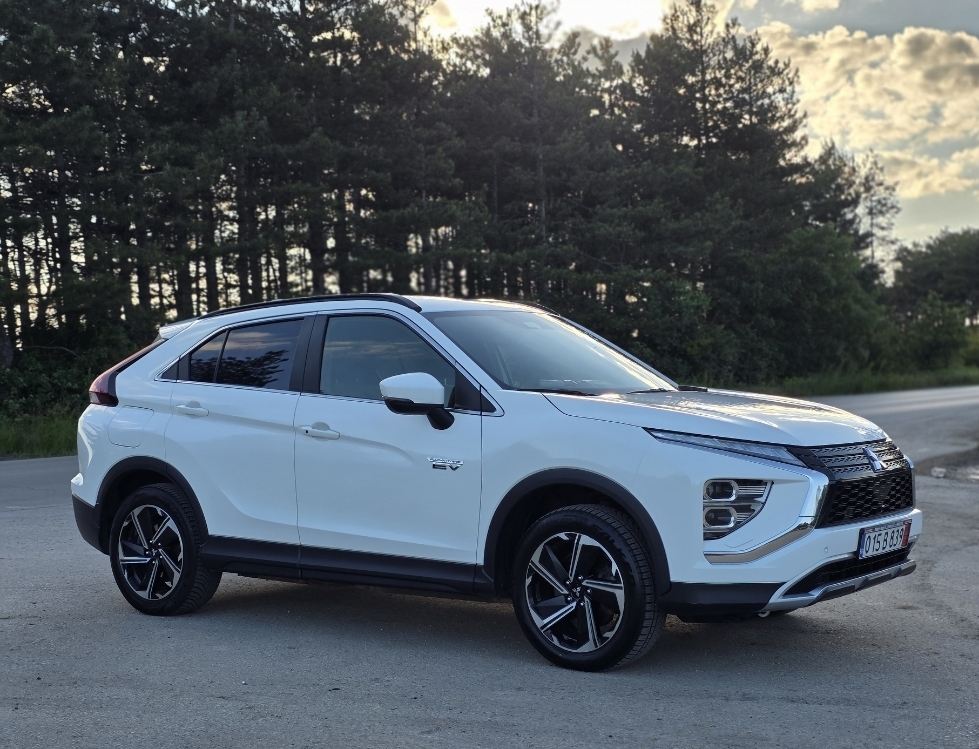
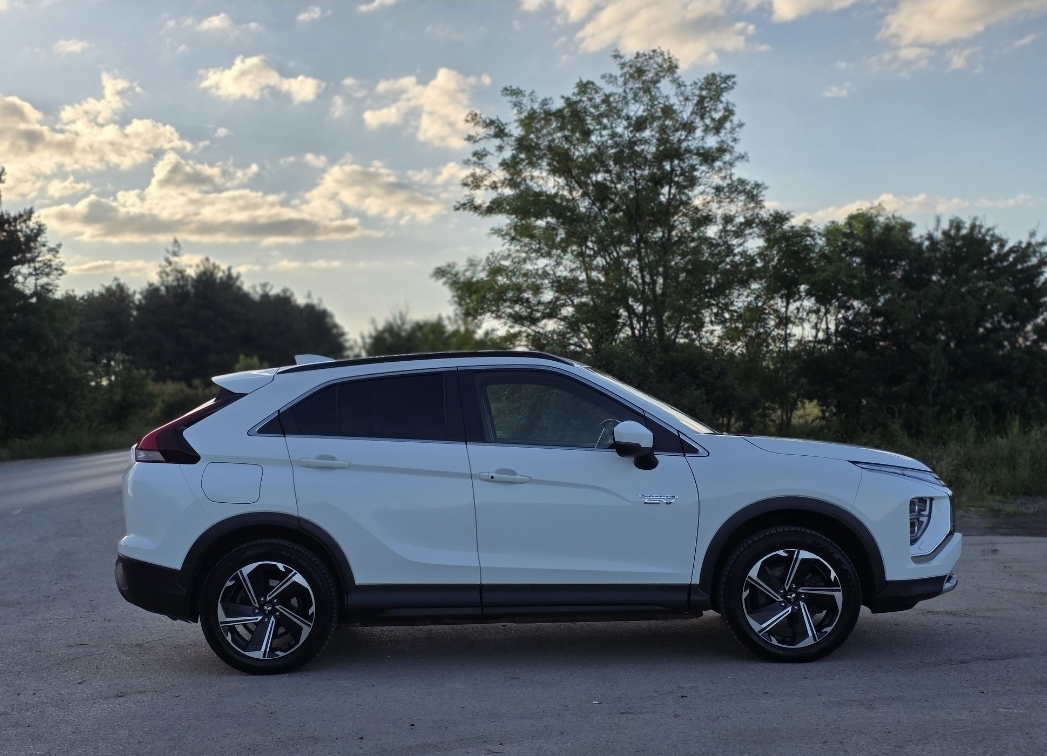
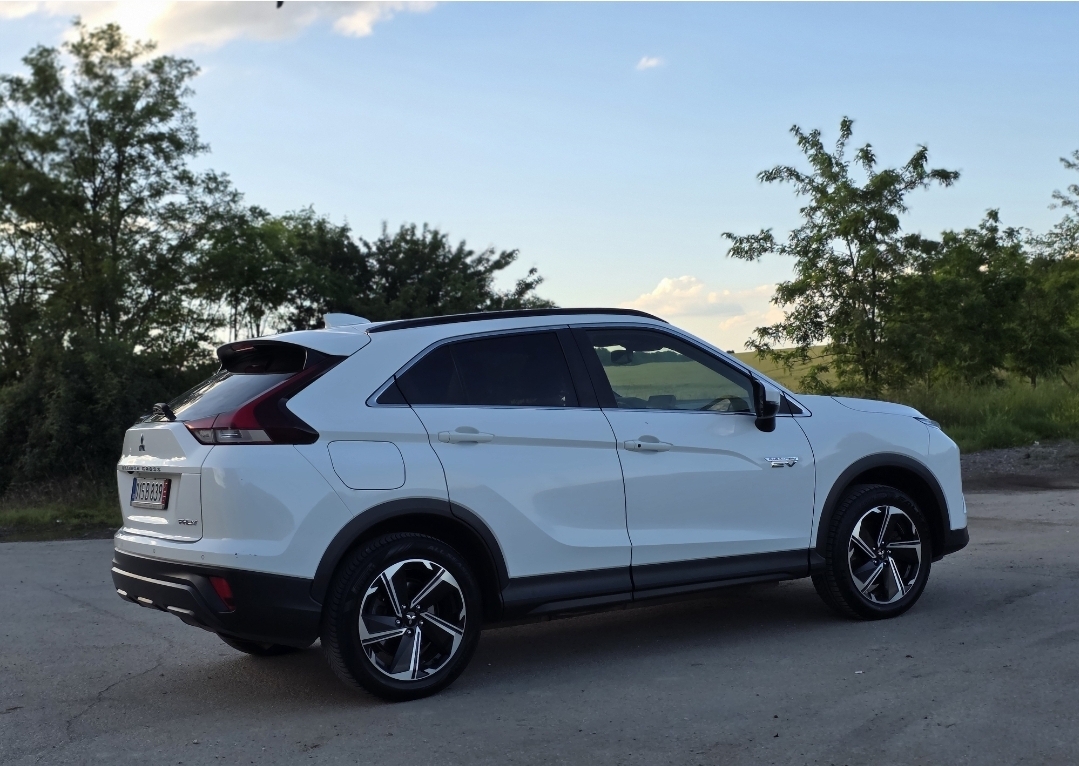
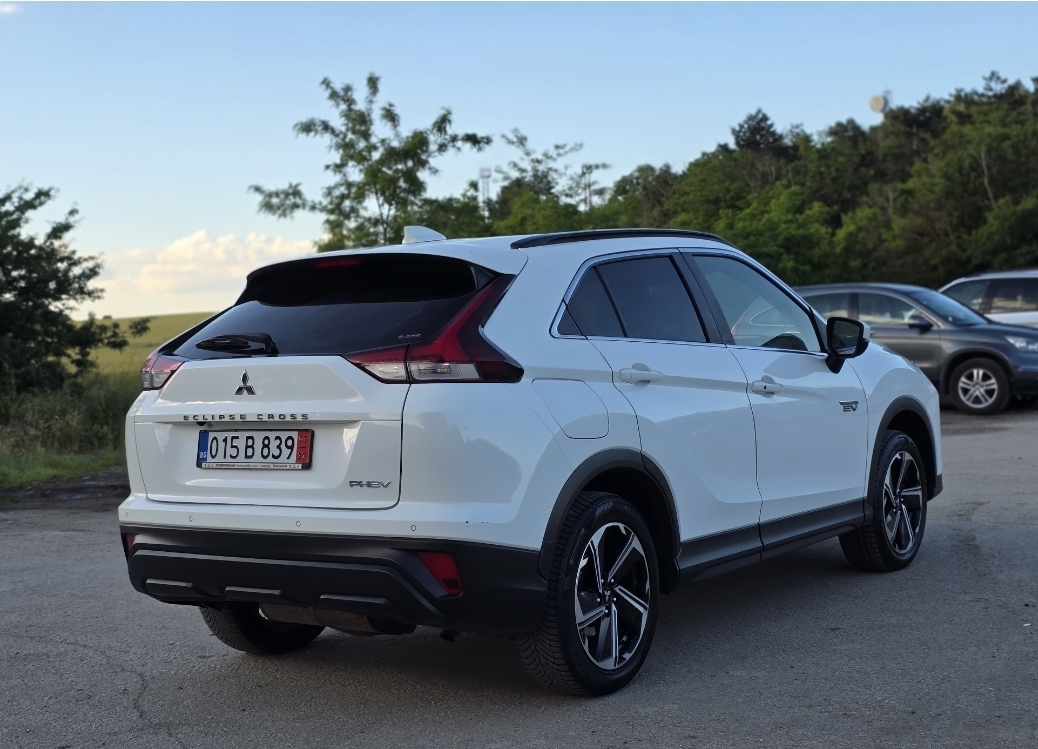
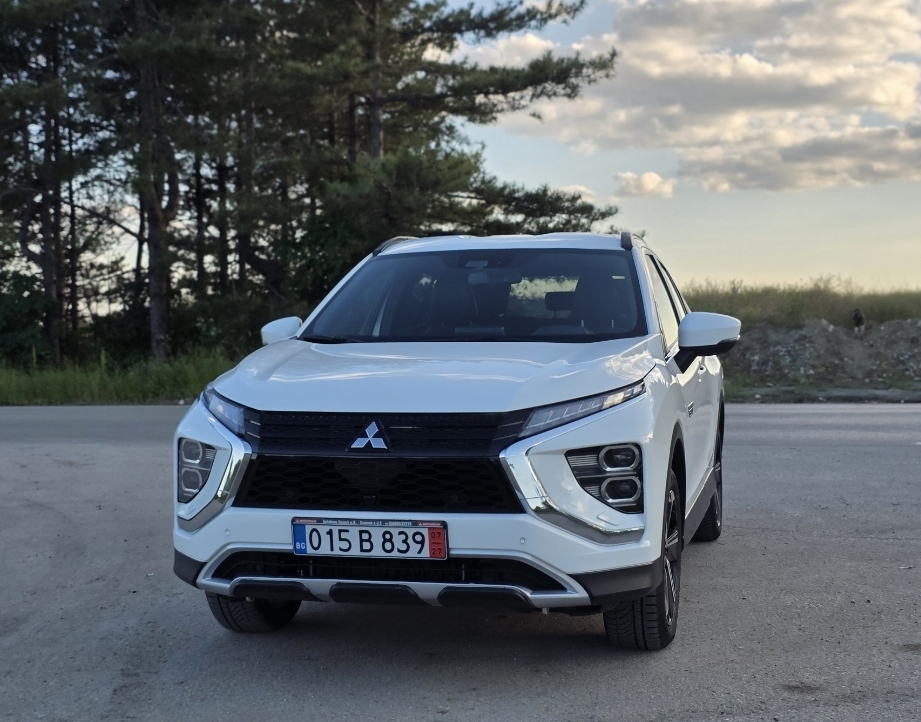
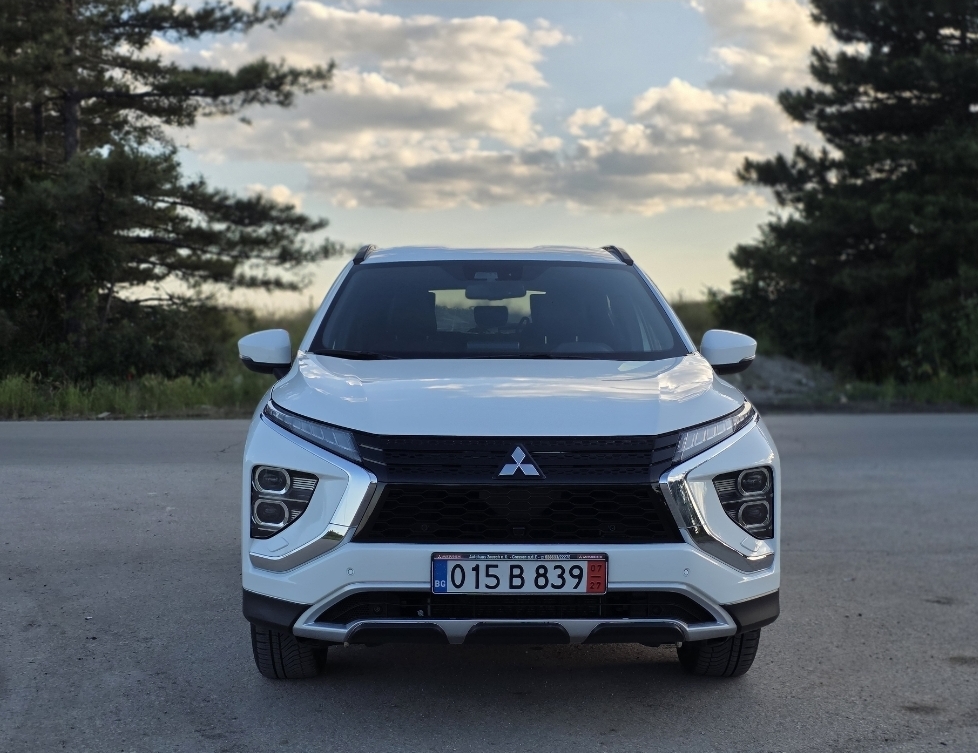
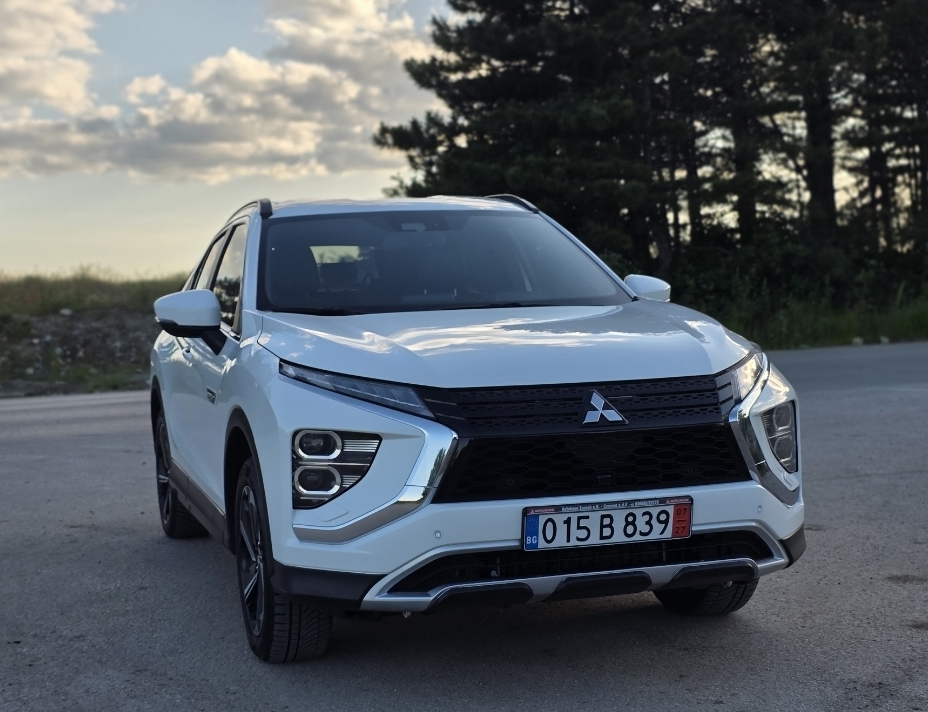
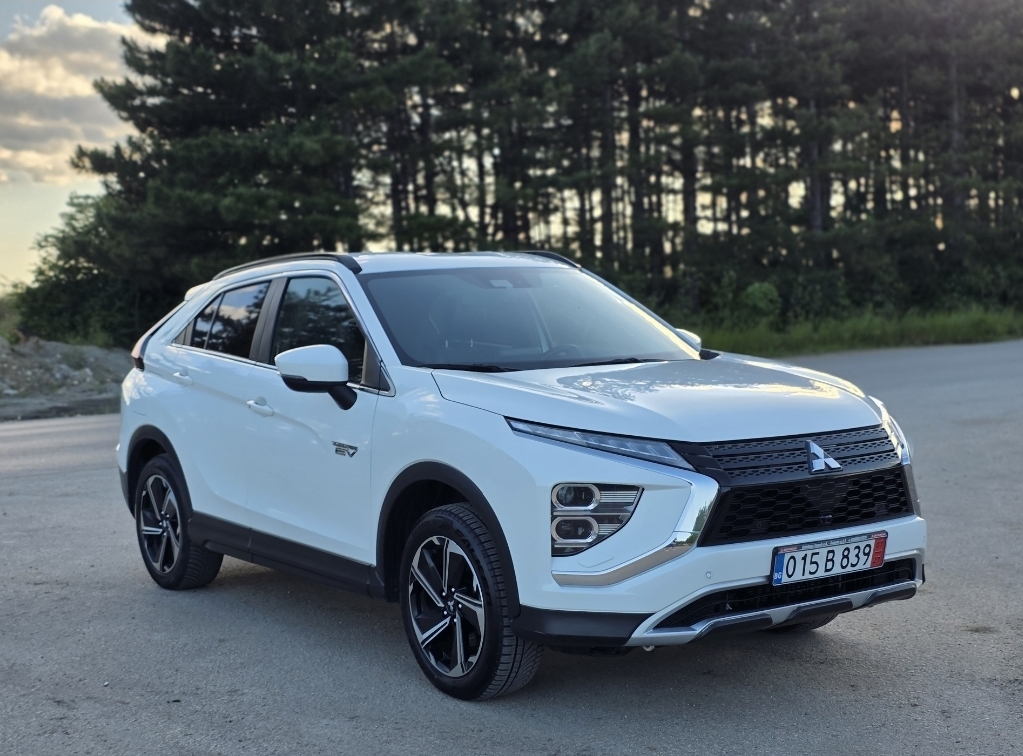
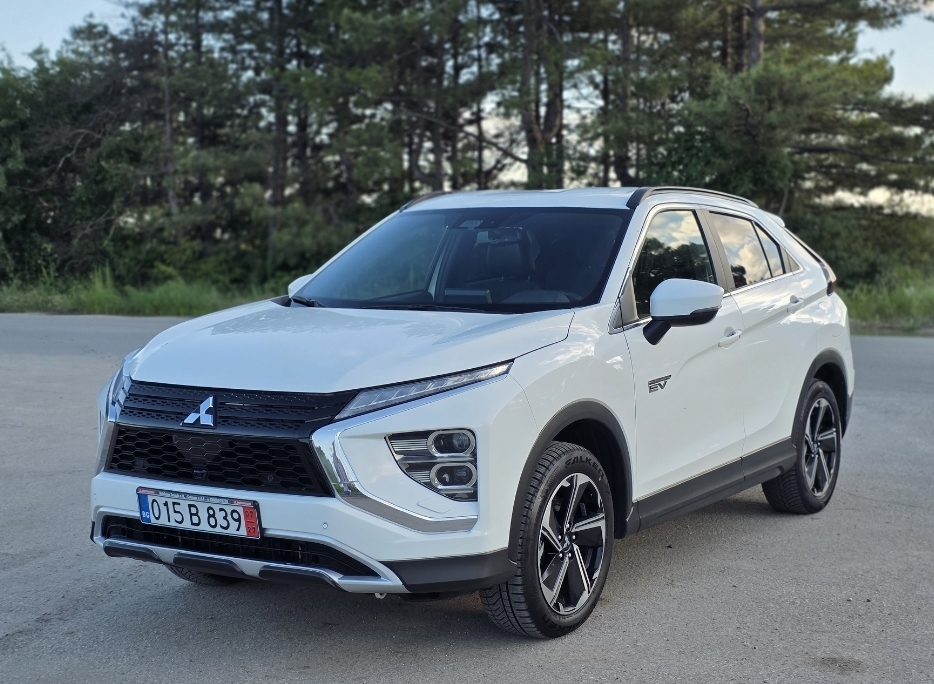
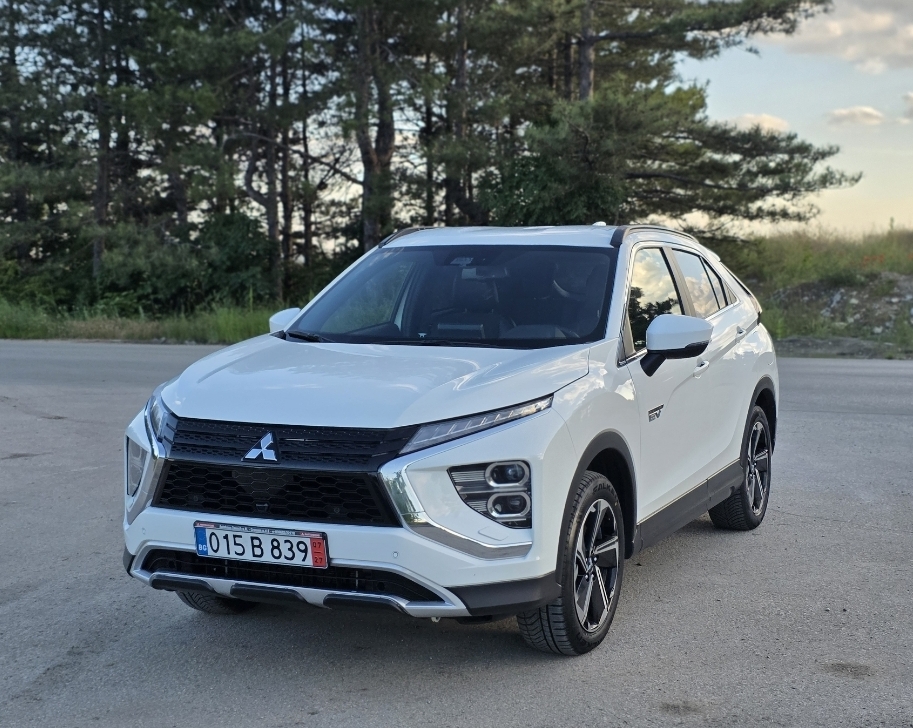
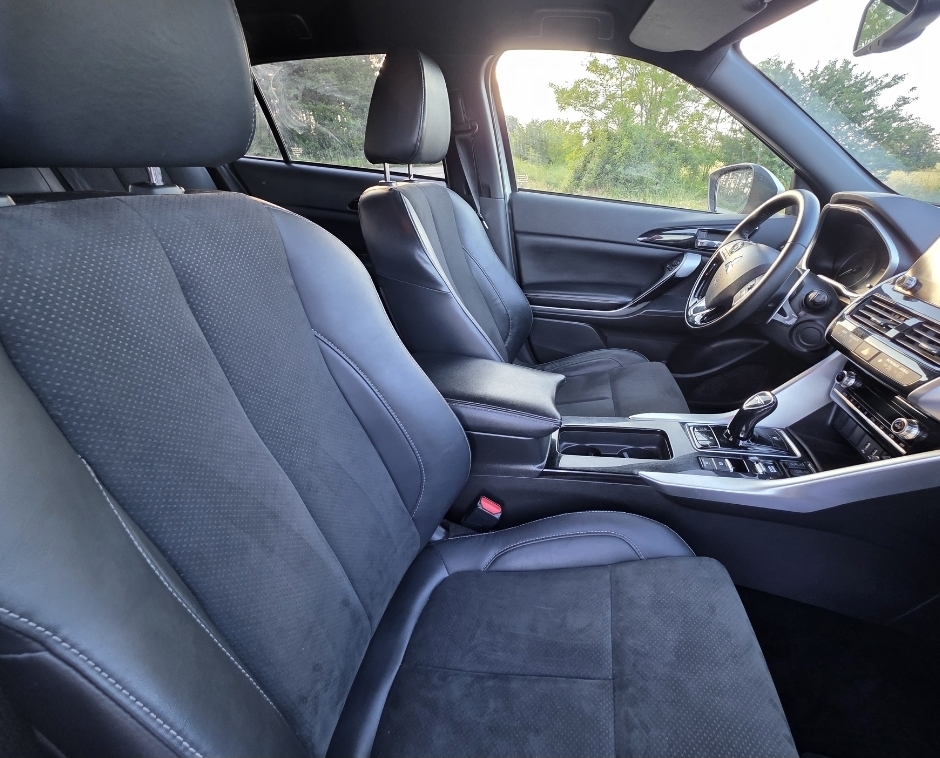
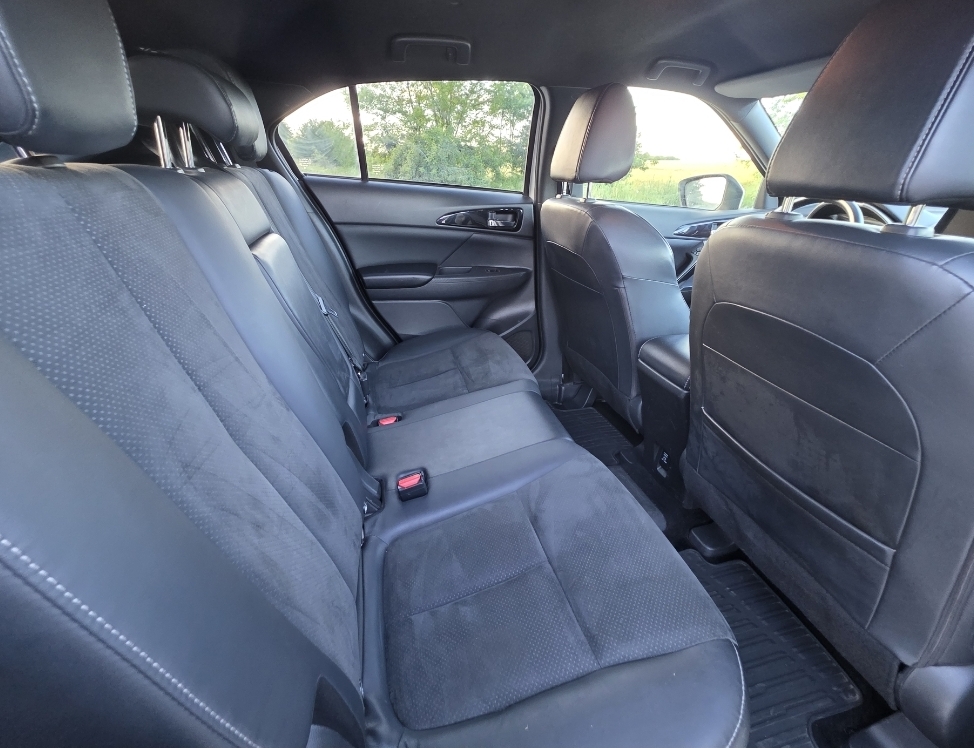
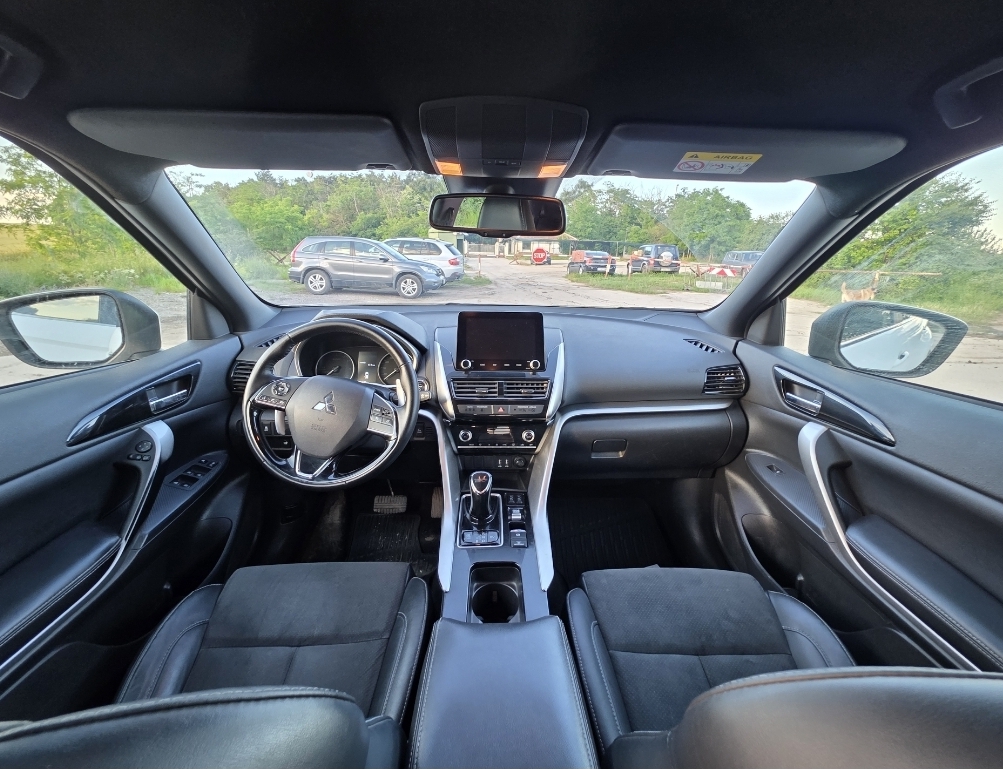
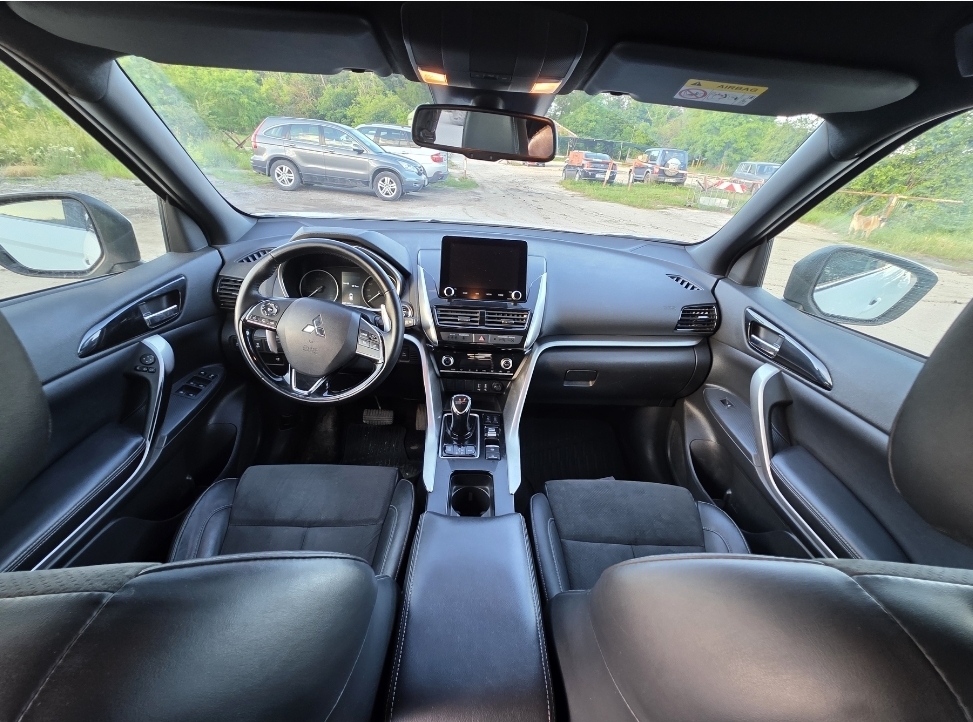
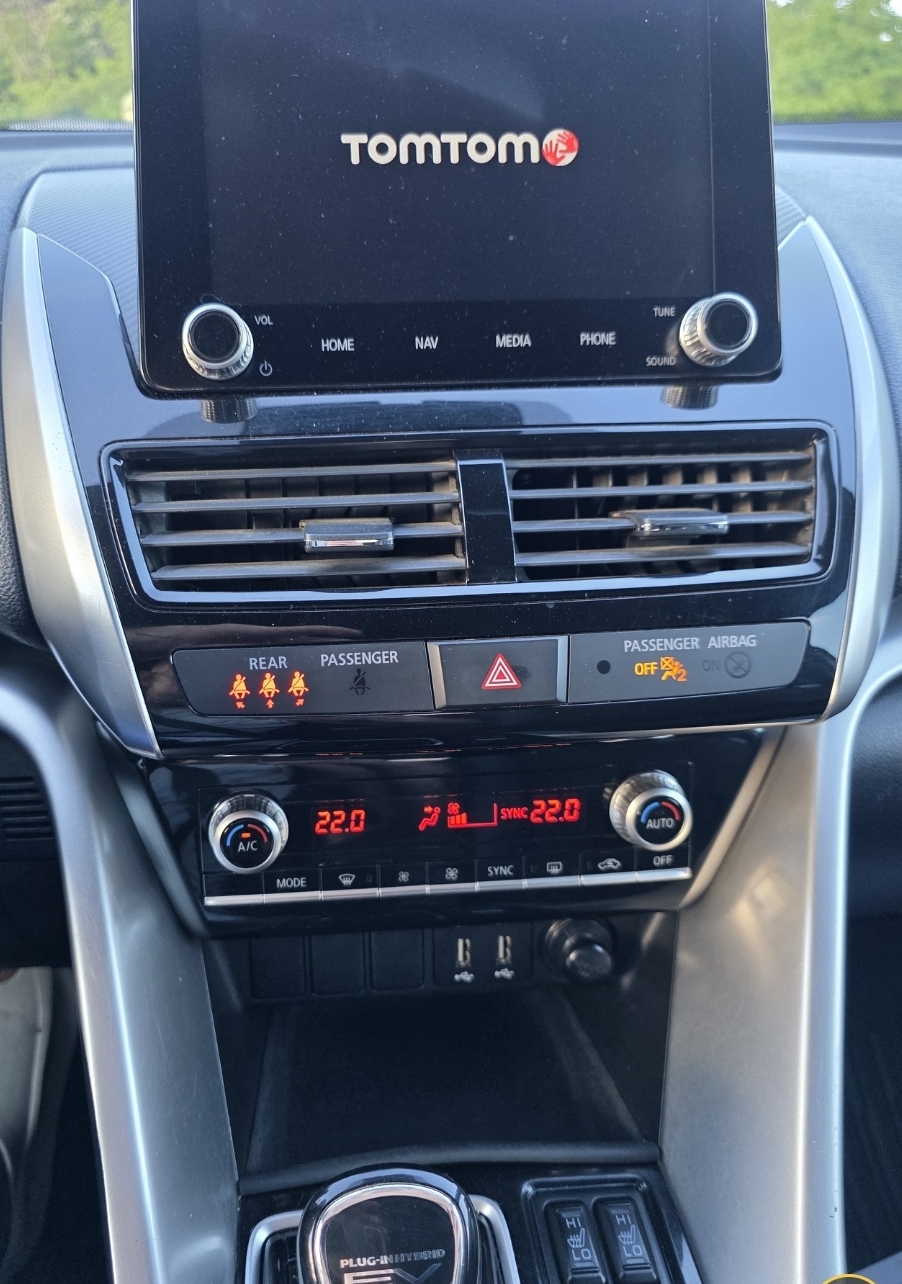
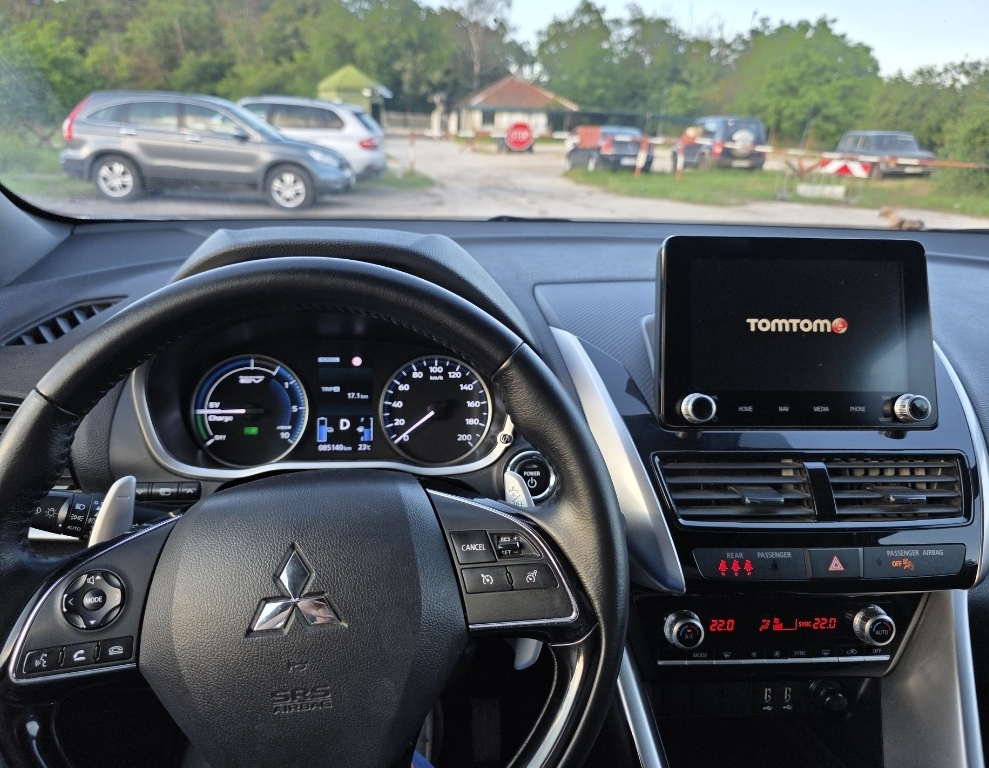
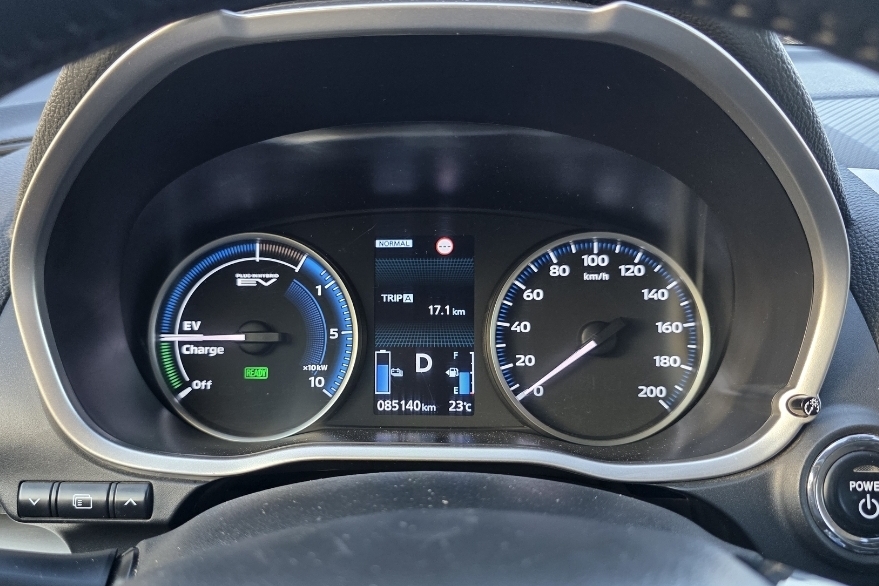
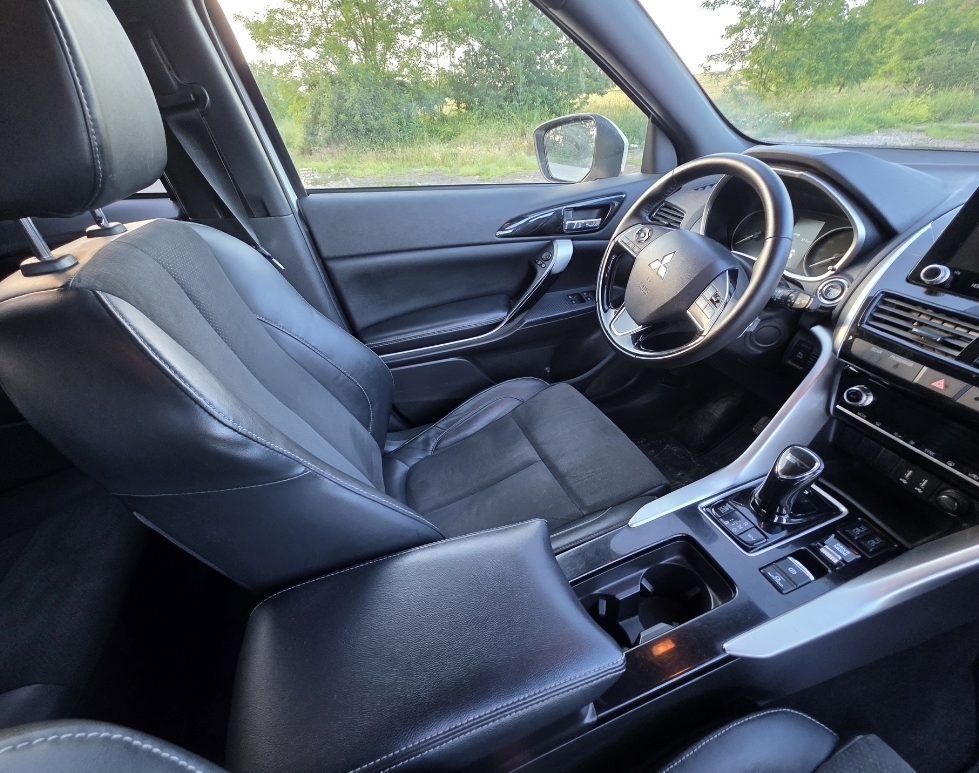
To give you a precise outline, I’m assuming “FULL Extras” means this is the top-tier trim level (e.g., the UK-spec Dynamic or European-spec Instyle+), which includes every optional pack: the Premium Package (leather, HUD, heated steering wheel), Convenience Package (panoramic roof, power tailgate), and the Technology Package (MITSUBISHI CONNECT, premium audio).
Here is a structured outline of the benefits of the 2022 Mitsubishi Eclipse Cross PHEV with FULL Extras:
1. Class-Leading Plug-In Hybrid Efficiency
Low Running Costs: Offers an official WLTP electric-only range of up to 28–30 miles (45 km). For daily commutes, this eliminates petrol use entirely.
Company Car Tax Advantage: Benefits from ultra-low Benefit-in-Kind (BiK) rates (typically 8–10%), making it significantly cheaper to run as a company car than petrol/diesel SUVs.
Intelligent Regenerative Braking: Uses the steering-wheel paddles to adjust regeneration levels (B0–B5), allowing one-pedal driving in city traffic to maximize battery recharge on deceleration.
2. Unique Super-All-Wheel Control (S-AWC) System
Ultimate Traction: Features a twin-motor setup (one front, one rear) with an electronically controlled rear differential (AYC). It delivers instant torque vectoring, providing exceptional grip in snow, rain, and on muddy tracks—outperforming most rival PHEVs.
Selectable Drive Modes: Includes Snow, Gravel, and Tarmac modes via the drive selector, optimizing power distribution for any surface. The full extras include the „Sport“ mode for sharper throttle response.
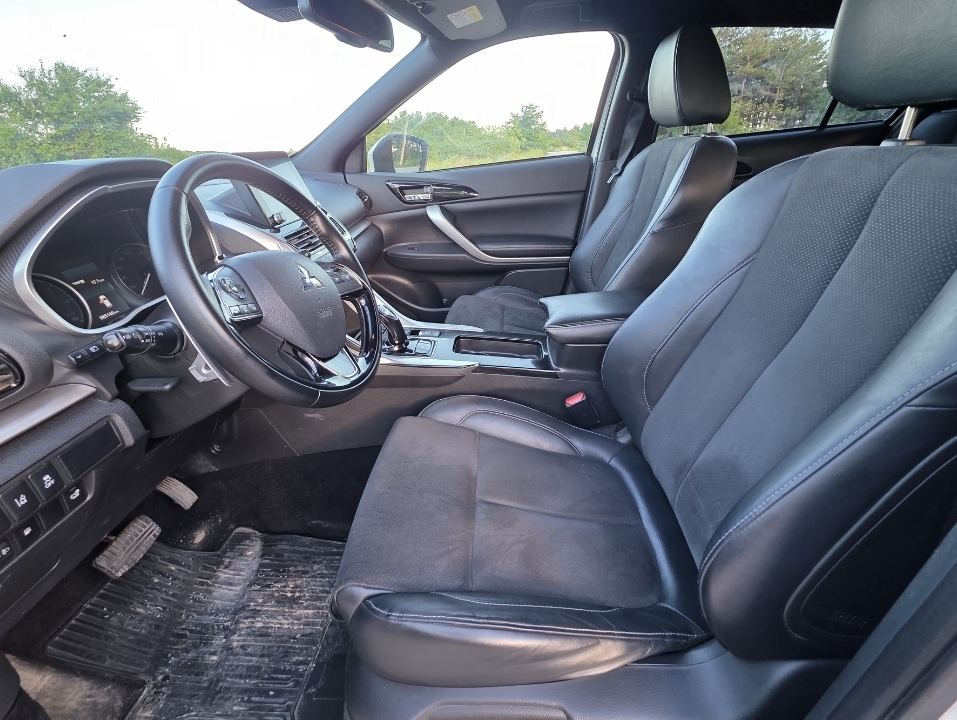
3. „FULL Extras“ Premium Interior & Comfort
Panoramic Glass Roof: The two-piece fixed-glass roof floods the cabin with light, making the rear seats feel incredibly spacious, and comes with a retractable sunshade.
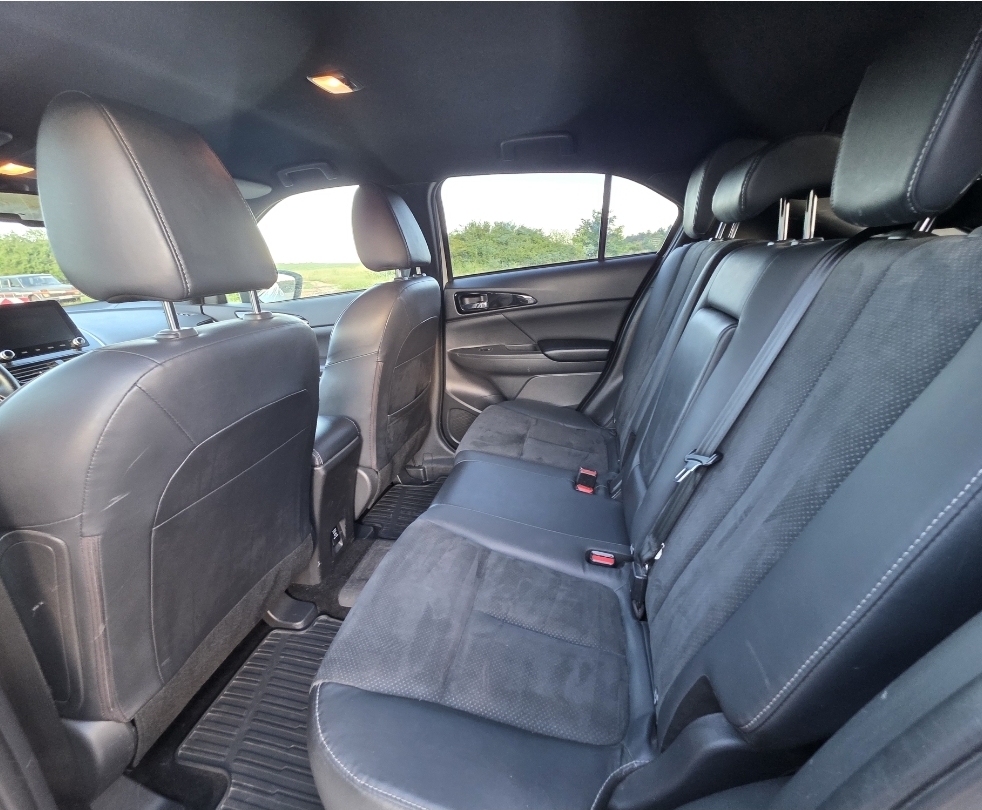
Heated Full-Leather Seats: Includes heated front AND rear outer seats, plus a heated steering wheel—a rare benefit in this segment for cold climates.
Power Tailgate with Kick Sensor: Allows hands-free opening of the boot, crucial when your hands are full of shopping or luggage.
Head-Up Display (HUD): Projects speed, navigation directions, and speed-limit info directly onto the windscreen, keeping your eyes on the road.
4. Advanced Safety & Driver Assistance (Mi-PILOT)
Adaptive Cruise Control (ACC) with Stop & Go: Maintains distance from the car ahead and can bring the vehicle to a complete halt in traffic, then pull away again.
Lane Keep Assist (LKA) & Lane Departure Warning: Actively steers the car back into its lane, reducing fatigue on long motorway journeys.
Multi-Around Monitor (360° Camera): Provides a bird’s-eye view of the car for effortless parking, combined with front and rear parking sensors.
Traffic Sign Recognition: Reads speed signs and displays them on the HUD, alerting you if you exceed the limit.
5. Superior Utility & Practicality
1500kg Towing Capacity: Unlike many compact PHEV SUVs (which often cap at 750kg), the Eclipse Cross PHEV can tow a small caravan or trailer, thanks to its robust motor cooling.
Flexible Cargo Space: The 60:40 split-folding rear seats lie completely flat, and the „FULL Extras“ includes a height-adjustable cargo floor to hide cables and create a flat loading area.
Vehicle-to-Home (V2H) / Vehicle-to-Load (V2L) Capability: With the full extras (including the optional 1500W accessory socket in the boot), you can power external devices, camping equipment, or even home appliances during a power cut using the car’s battery.
6. Premium Infotainment (MITSUBISHI CONNECT)
Smartphone Integration: Full extras include wireless Apple CarPlay and Android Auto, paired with a premium 8-speaker audio system for superior sound quality.
Smartphone Remote Control: Via the app, you can pre-heat or pre-cool the cabin while the car is still plugged into the charger, saving battery range for driving.
Navigation with Charging-Point Integration: The sat-nav includes live traffic and directs you to the nearest public charging stations along your route.
Summary Verdict:
With „FULL Extras,“ this isn’t just an efficient commuter—it is the most off-road-capable PHEV in its class, the most luxurious (with rear heating and HUD), and the most practical (with towing and V2L). Its main downside is a smaller boot than a Toyota RAV4 PHEV, but it beats rivals on standard equipment, all-weather grip, and price-per-spec value.
Would you like a breakdown of how this specific trim compares directly to its main rival (the Toyota RAV4 PHEV or Ford Kuga PHEV)?