
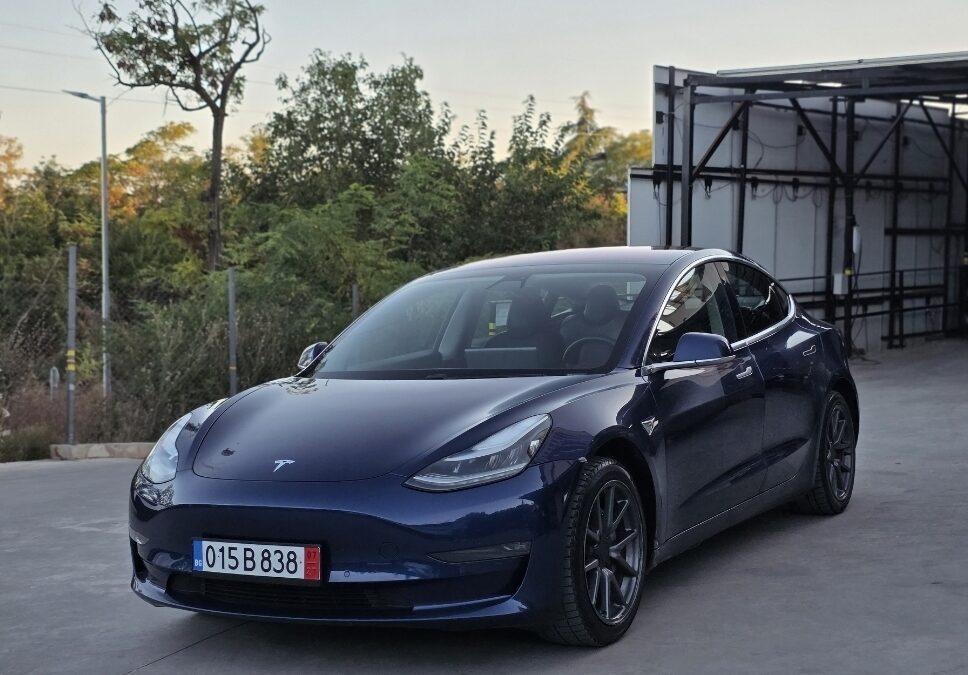
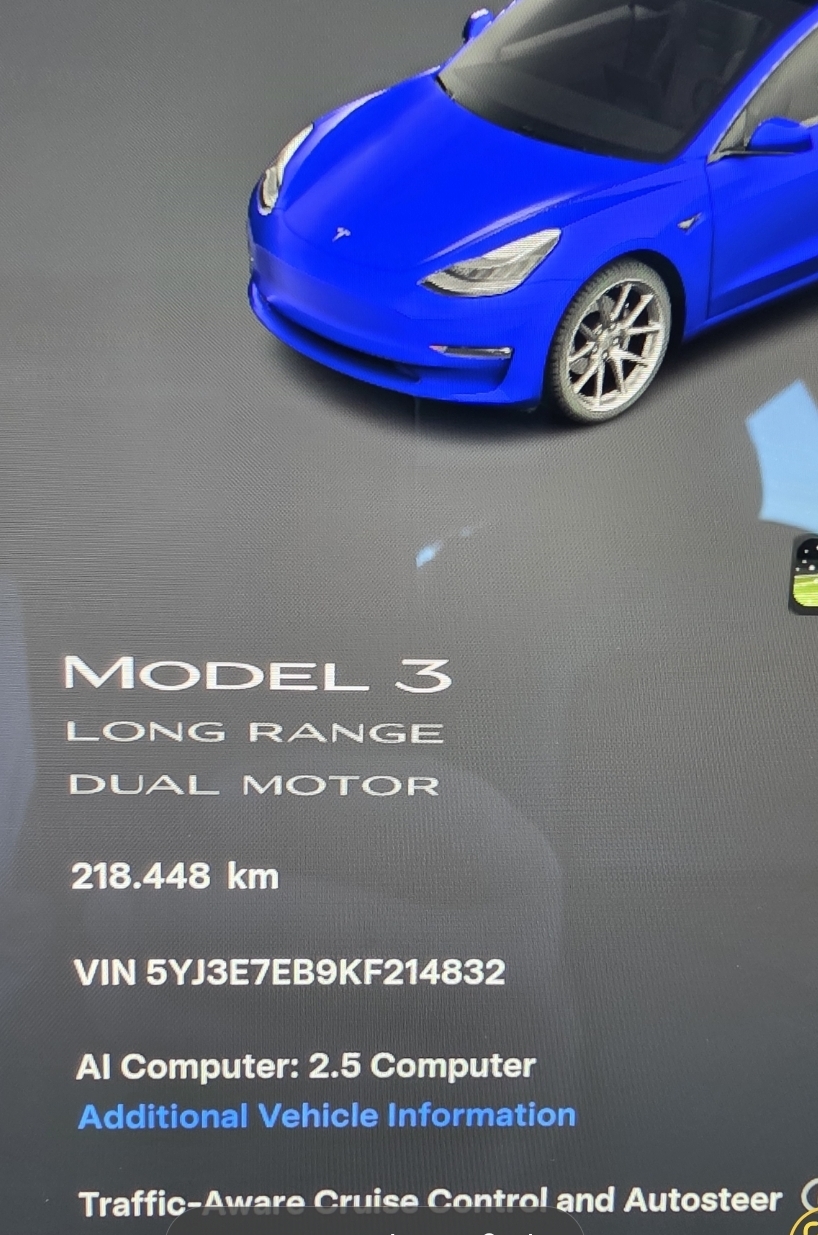
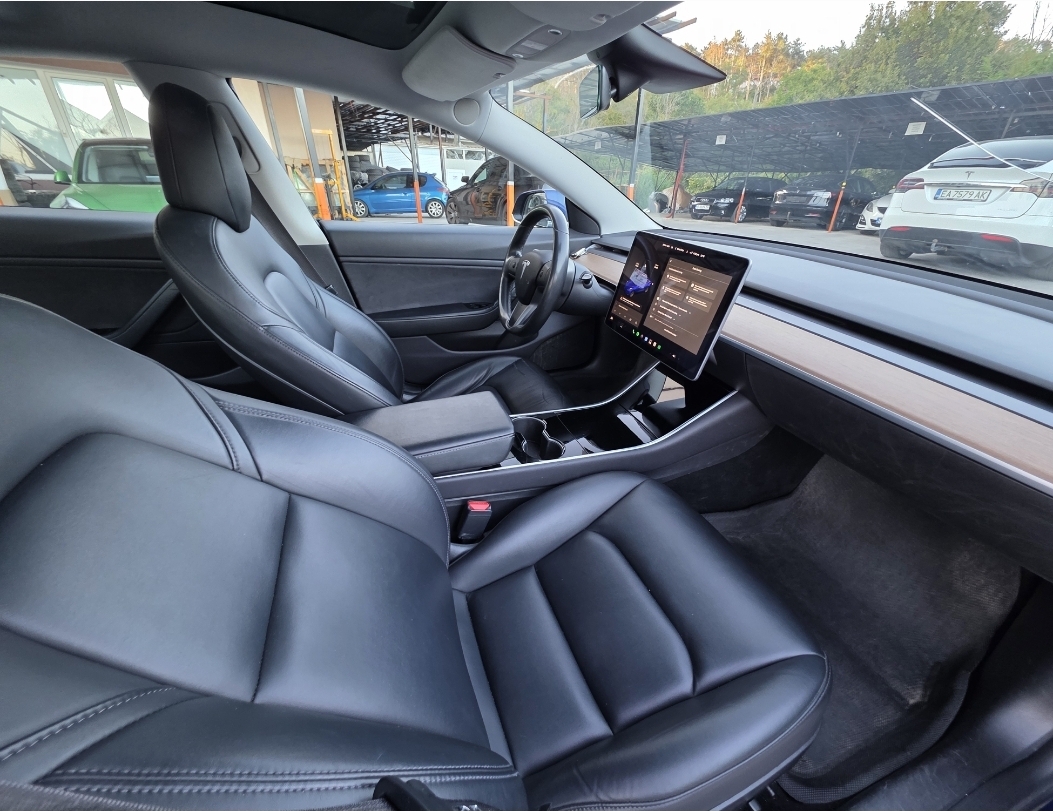
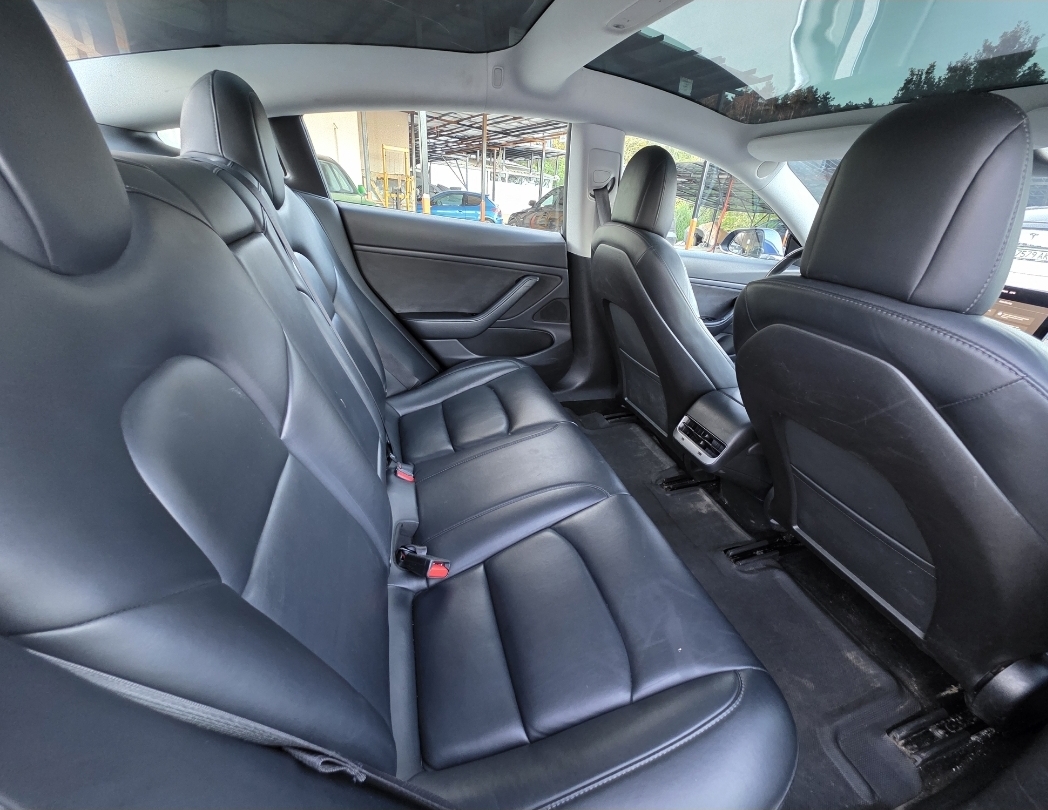
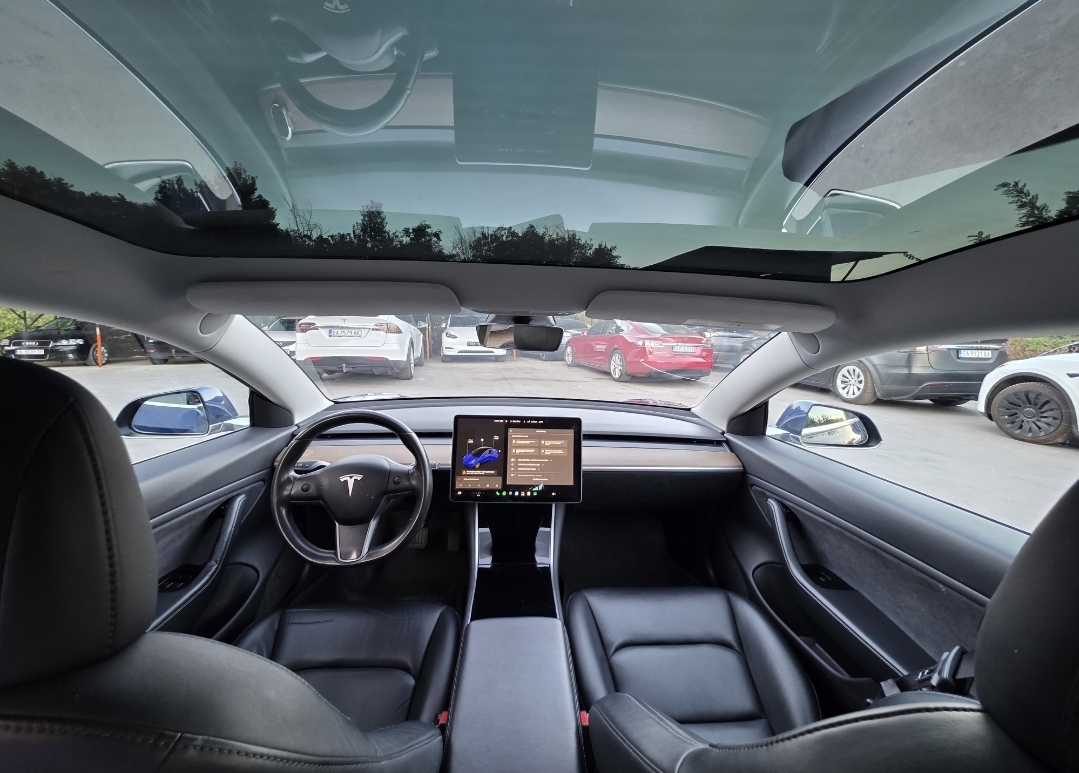
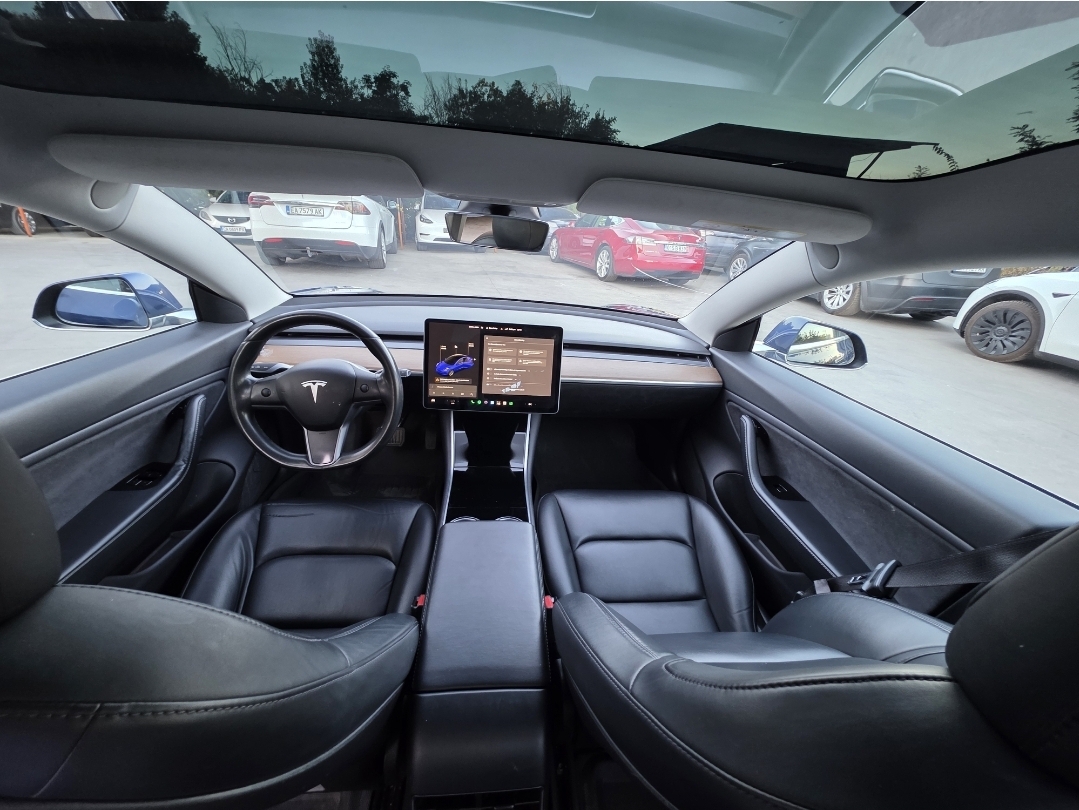
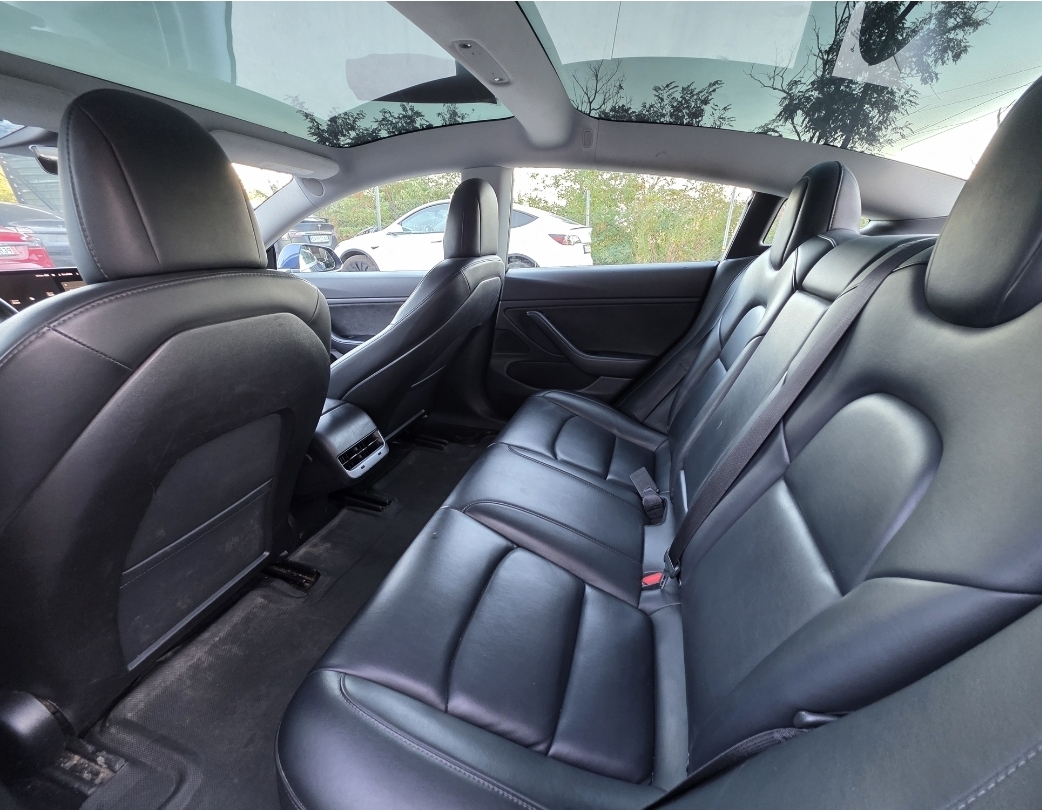
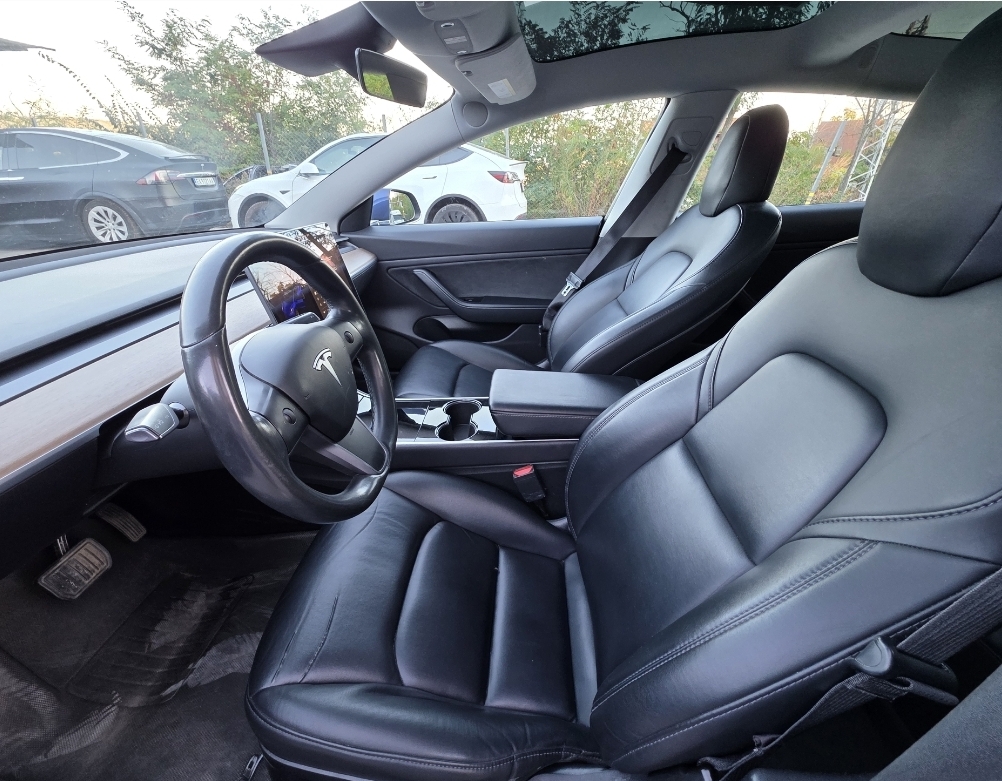
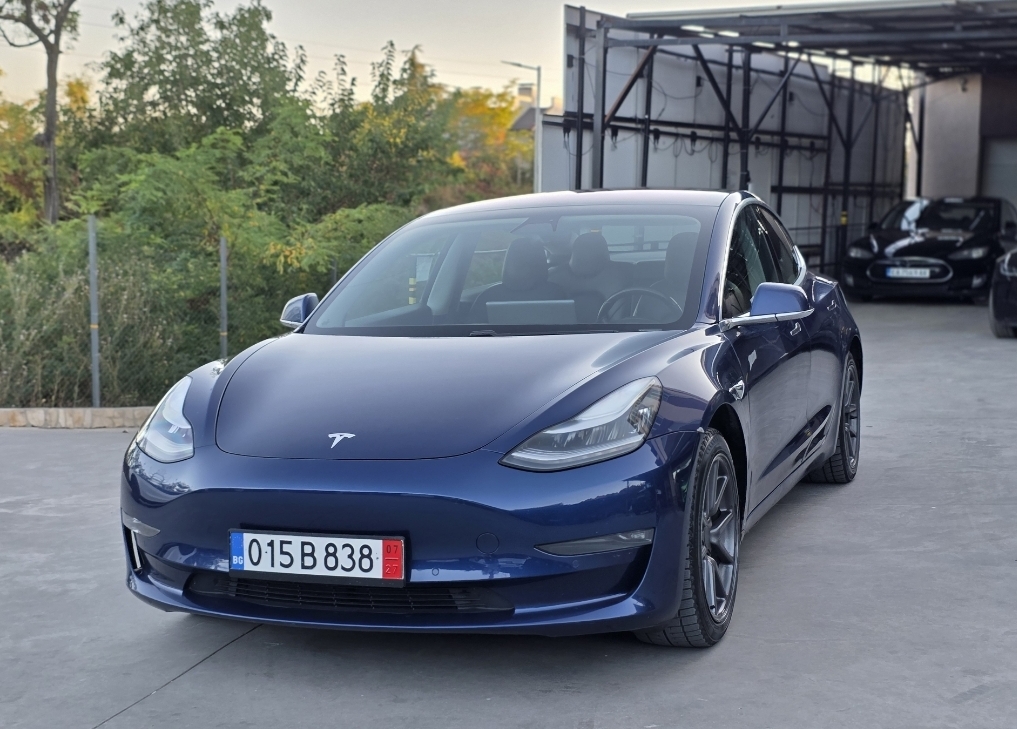
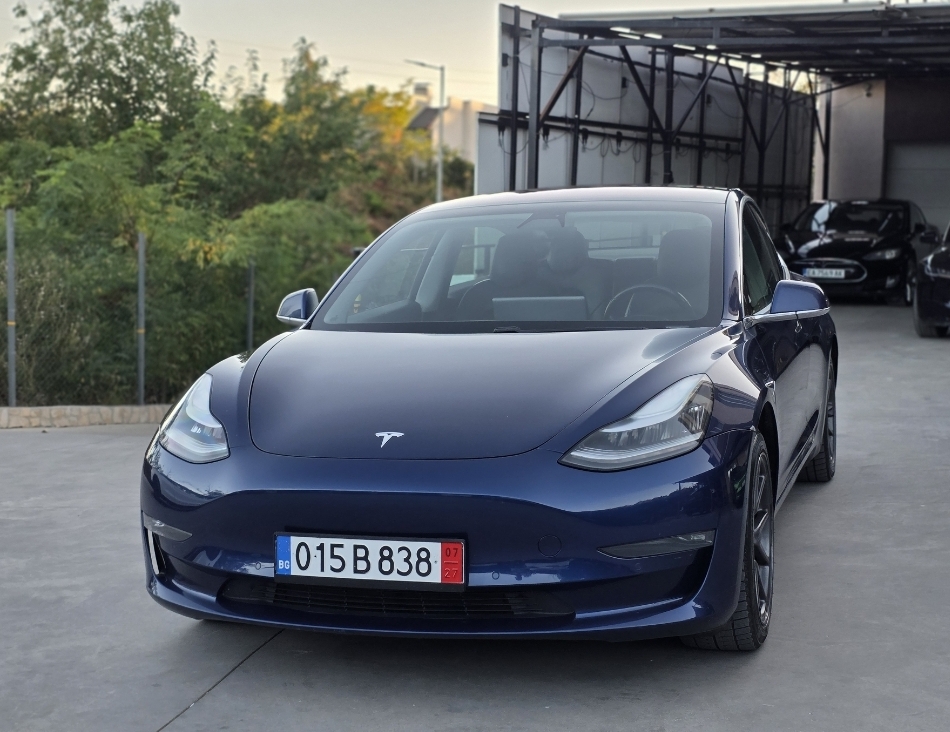
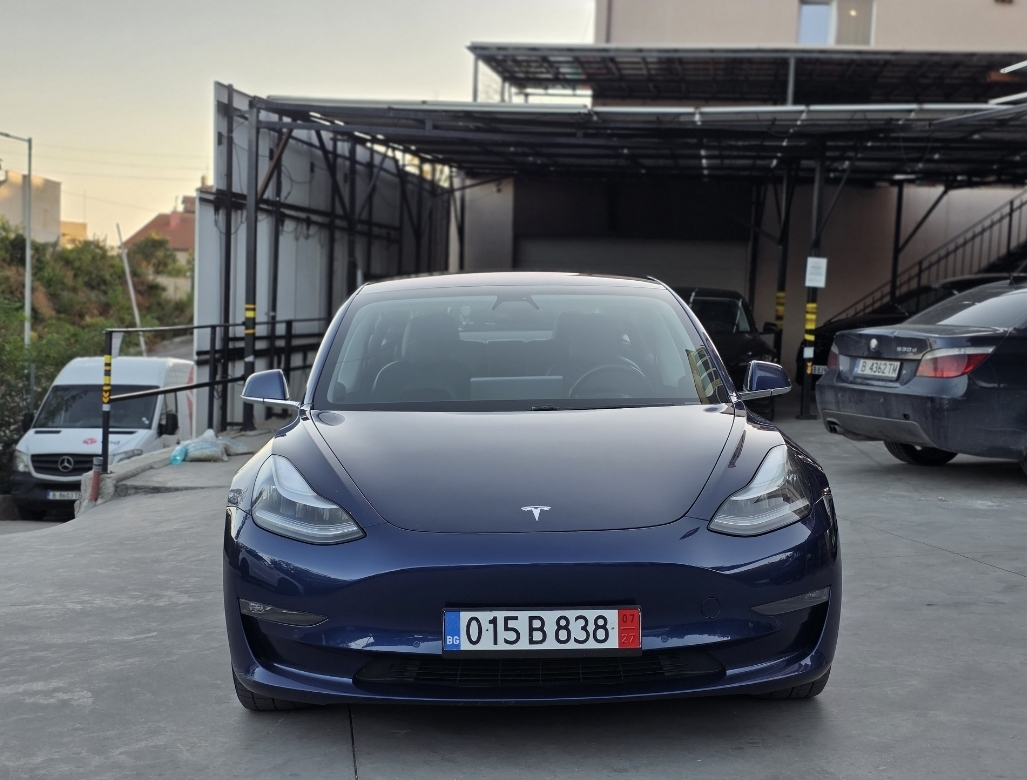
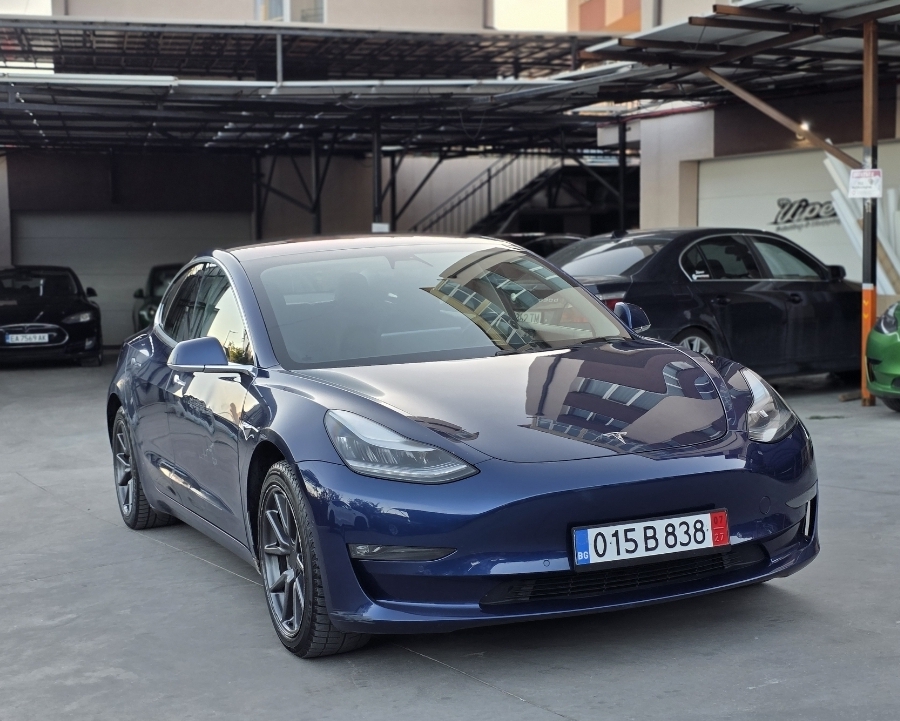
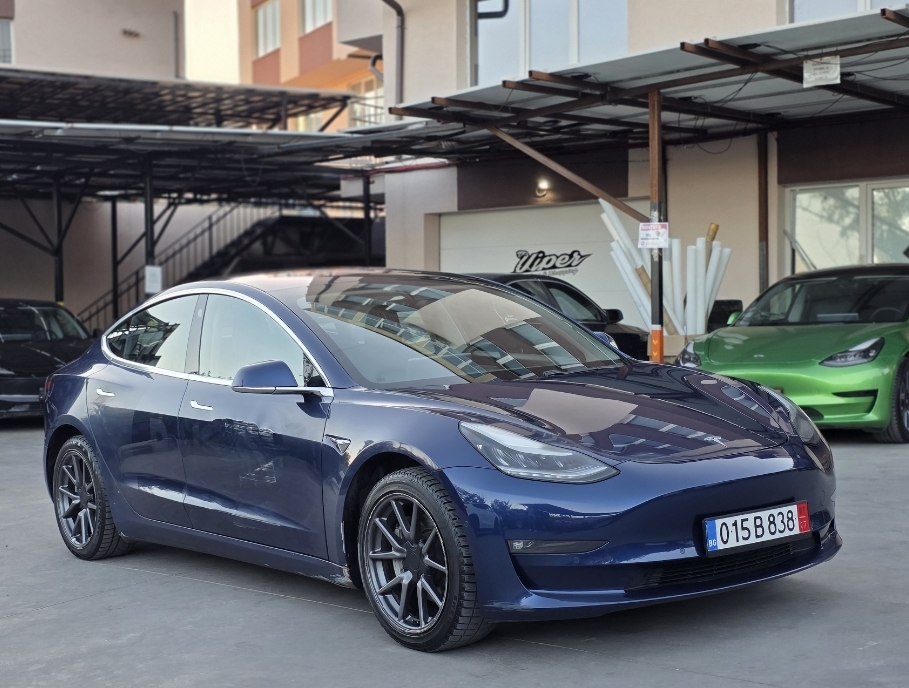
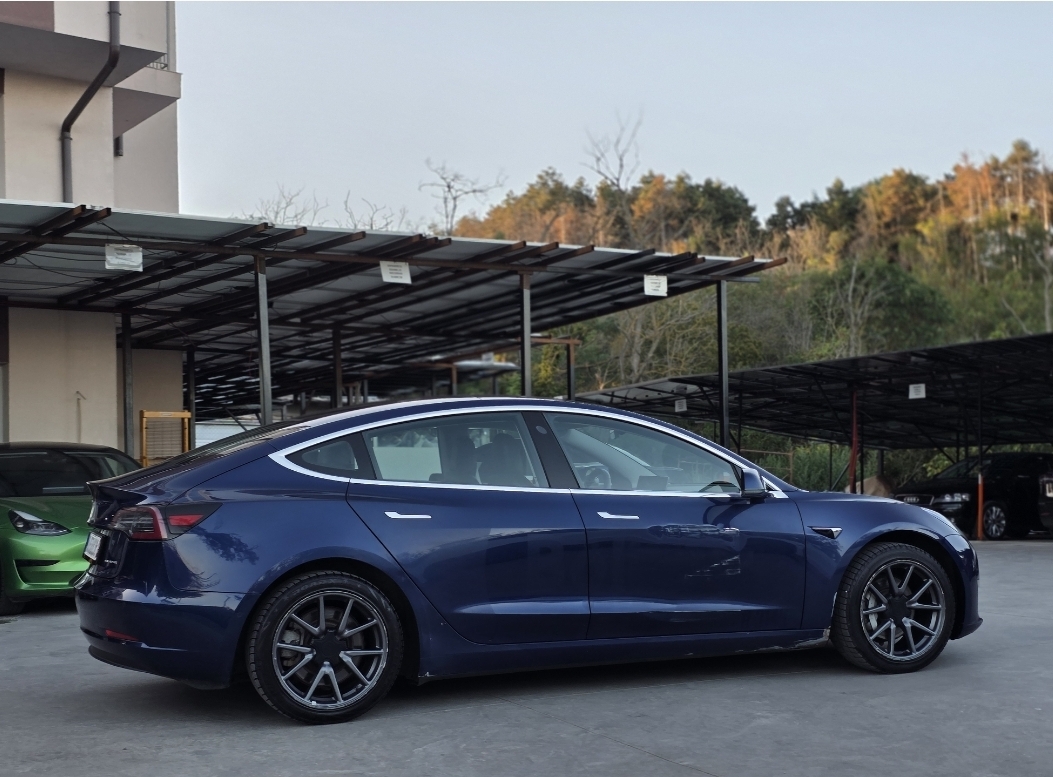
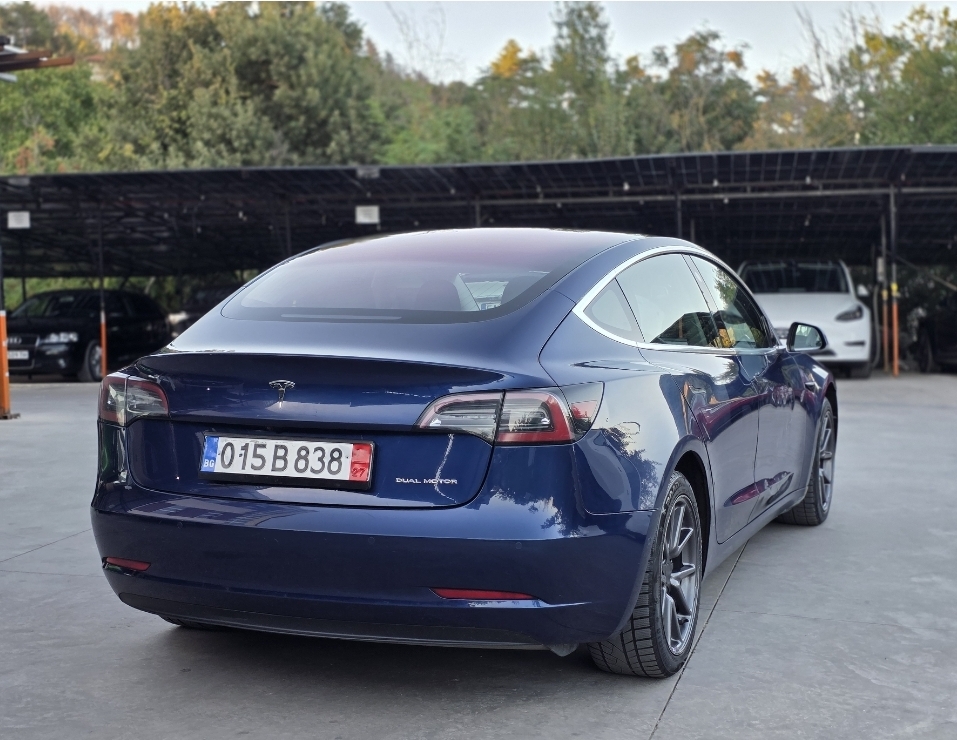
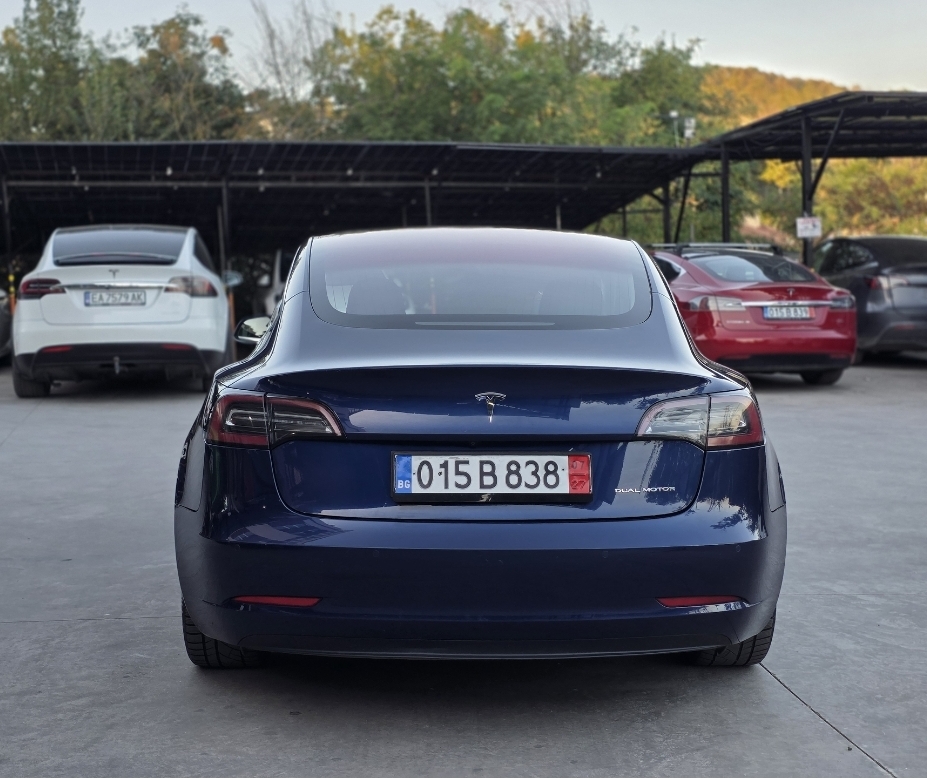
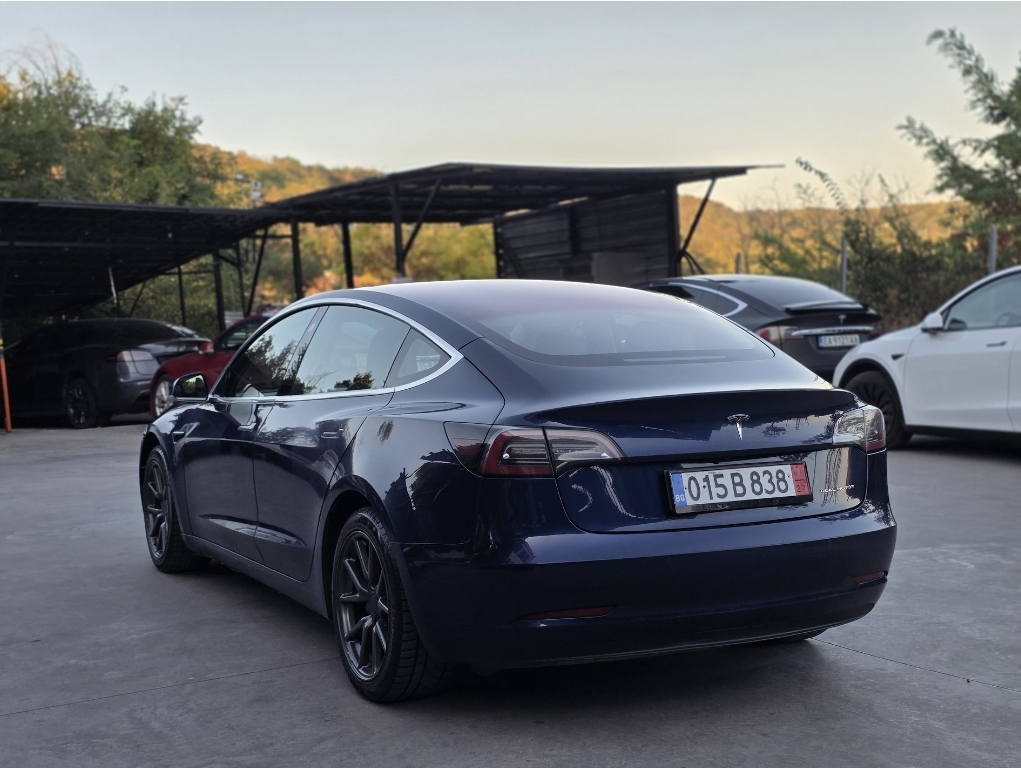
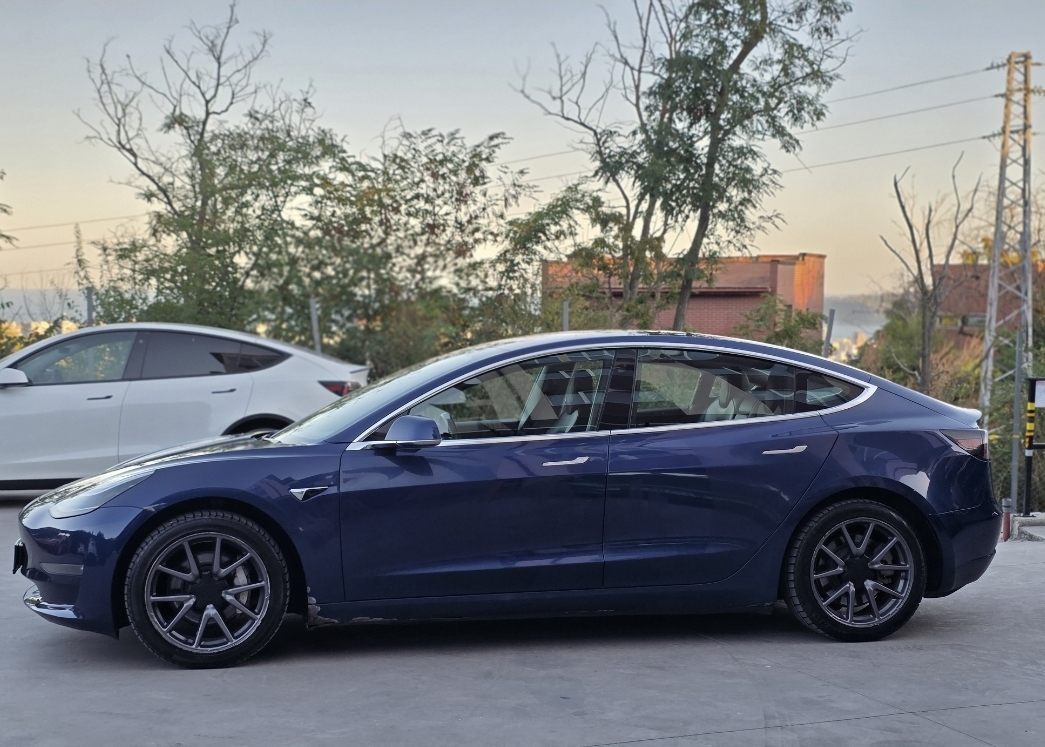
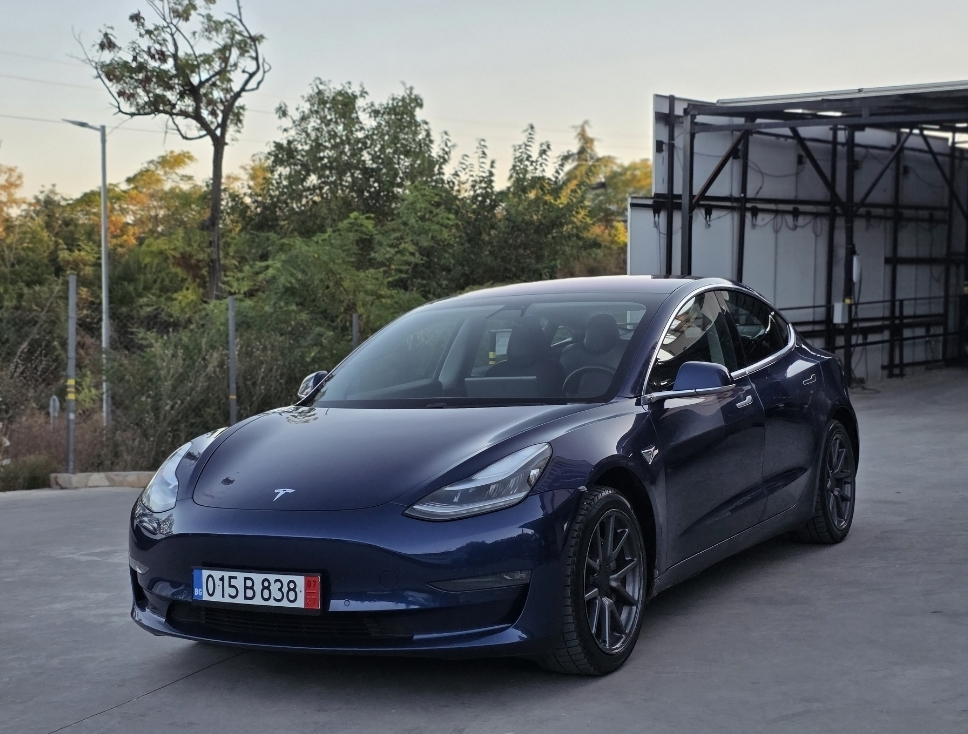
To give you a precise outline: The 2020 EU-spec Tesla Model 3 Long Range AWD (4×4) is widely regarded as the „sweet spot“ of the pre-facelift Model 3 era.
In 2020, Tesla was still shipping the Model 3 from Fremont (USA) to Europe, and this specific configuration offers a unique blend of maximum performance, maximum range, and pre-cost-cutting build quality that later models (2021+) lost. Crucially, it features the older „pre-heat pump“ system and retains ultrasonic sensors, giving it distinct advantages over newer models for specific use cases.
Here is a clear outline of its benefits, keeping in mind its position as the performance-oriented, long-distance grand tourer of the Model 3 lineup.
1. The „Best“ Range of Any 2020 Model 3 (EPA/WLTP)
The Core Benefit: The 2020 Long Range AWD features the 75 kWh Panasonic NCA battery pack (usable ~72.5 kWh) – the same pack used in the Performance model, but with the software limited to a more efficient power output curve.
Practical Upside: In real-world EU conditions, you get an outstanding ~310–330 miles (500–530 km) in summer and ~240–260 miles (385–420 km) in winter (0°C). This gives you a genuine 350+ km buffer between Supercharger stops, making it one of the best long-distance EVs on the market even today. It consistently beats the WLTP rating in mixed driving.
2. The „Pre-Heat Pump“ System – A Surprising Benefit for Cold Climates
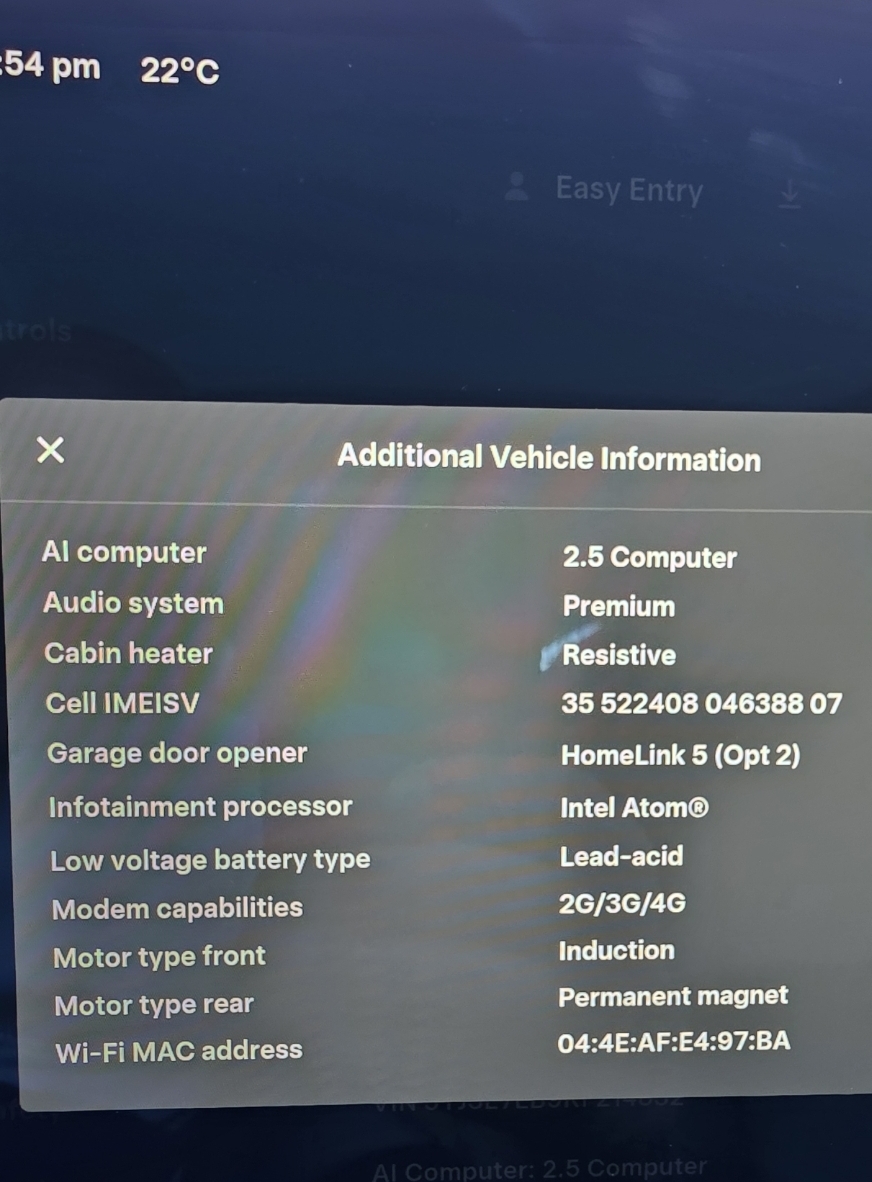
The Core Benefit: The 2020 Model 3 uses a resistive PTC heater, not the Octovalve heat pump (introduced in 2021).
Practical Upside: While this sounds like a downgrade, the resistive heater delivers instant, blistering heat in under 60 seconds—far faster than the heat pump (which takes 2–3 minutes to scavenge waste heat). In Alpine or Scandinavian winters, you get immediate cabin warmth and defrosting, which is a massive convenience for early-morning starts. Additionally, the older system is simpler and more robust, with fewer complex valves and compressors that can fail.
3. Hardware 3.0 (Full Self-Driving Computer) – Standard
The Core Benefit: By 2020, Tesla had fully transitioned to Hardware 3.0 (FSD Computer) as standard on all new cars. It is not an upgrade; it comes from the factory.
Practical Upside: You get the full suite of Tesla Vision (pure camera-based, with radar still active as a backup in 2020). You get the smoothest iteration of Navigate on Autopilot, lane-change assist, traffic-light/stop-sign awareness (without even buying FSD), and Smart Summon—all running on the dedicated neural-network chip. This means you do not need a costly hardware retrofit if you decide to buy FSD later.
4. The „Performance“ Motor Setup (980 Rear Motor)
The Core Benefit: The 2020 Long Range AWD features the 980 rear motor—the exact same high-performance motor used in the Model 3 Performance.
Practical Upside: This motor is more robust and can handle higher power outputs. If you ever purchase the „Acceleration Boost“ upgrade via the Tesla app (for ~€1,500), you get a 0–60 mph (0–100 km/h) time of 3.9 seconds—almost identical to the Performance model, but without the bigger brakes, spoiler, or track mode. This makes it the ultimate „sleeper“ family sedan.
5. Superior Ride Quality (Pre-Comfort Suspension – But Better Damping)
The Core Benefit: The 2020 Model 3 features the original, firmer suspension tuning (before Tesla softened it in 2021).
Practical Upside: While the 2021+ models are softer, the 2020 suspension offers superior body control on high-speed German autobahns (150+ km/h) and winding alpine passes. There is less pitch and dive during hard acceleration/braking, and the car feels more planted and predictable at the limit. For driving enthusiasts, this is a benefit—not a drawback.
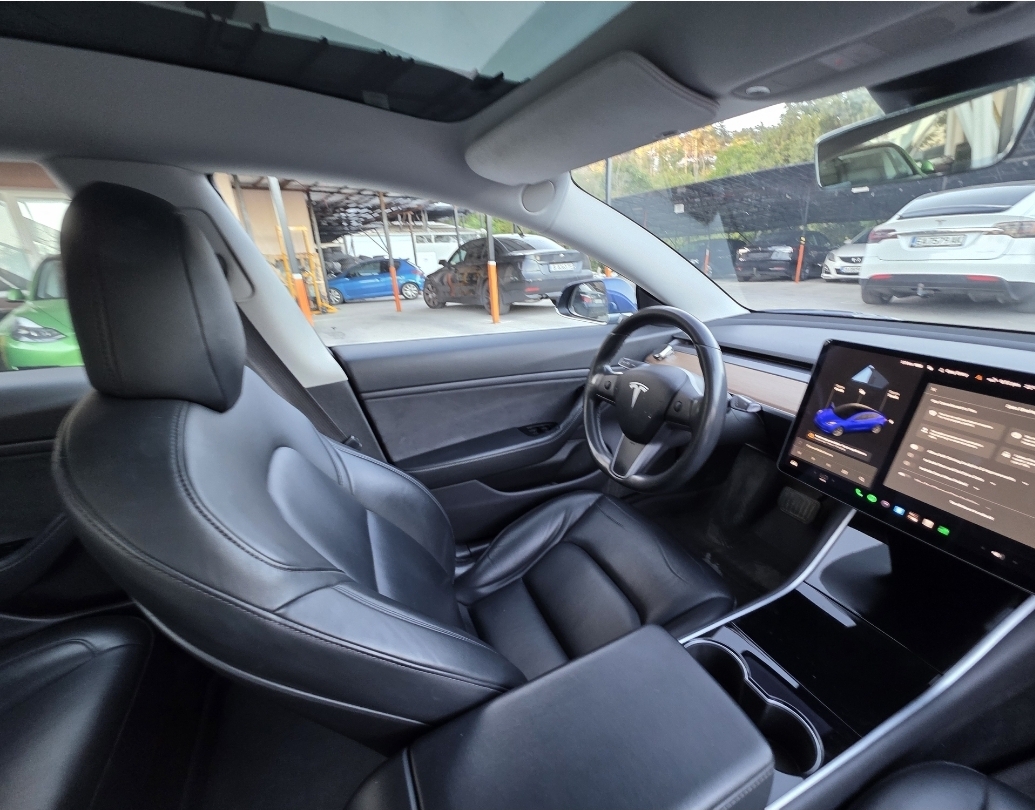
6. The „Premium“ Interior (Pre-Minimalist Cost-Cutting)
The Core Benefit: The 2020 Model 3 still features the full premium interior with:
Genuine wood trim (real open-pore wood, not the synthetic „woven“ material introduced in 2021).
Leather-wrapped steering wheel (not the synthetic „vegan leather“ which feels thinner).
Satin chrome exterior accents (door handles, window trim) – which many prefer over the later „blacked-out“ chrome-delete look.
Practical Upside: The interior feels more luxurious and substantial. The wood trim resists scratches better than the newer synthetic materials, and the chrome handles are more resistant to UV fading in sunny southern European climates.
7. Double-Pane (Acoustic) Front Glass – Retained
The Core Benefit: The 2020 Model 3 features laminated, double-pane glass for the front side windows (introduced in late 2019).
Practical Upside: Highway noise (wind and tire roar) is significantly reduced at 130 km/h, making long-distance motorway driving remarkably quiet. The cabin is quieter than many luxury sedans from BMW or Mercedes of the same era.
8. USS Retention (Ultrasonic Parking Sensors) – A Major Advantage
The Core Benefit: The 2020 Model 3 still has ultrasonic parking sensors (USS) – all 12 of them. Tesla did not remove them until late 2022.
Practical Upside: You get precise, beeping distance warnings (down to 12 inches / 30 cm) when parking in tight European city centers, underground garages, or parallel parking on narrow streets. This makes the 2020 model objectively easier to park than the 2023 „Tesla Vision“ cars, which rely purely on cameras and are less accurate in rain, snow, or low-light conditions.
9. Superior Supercharging Speed (250 kW V3 Compatibility)
The Core Benefit: The 2020 Long Range AWD can accept the full 250 kW at V3 Superchargers—the same as brand-new 2024 models.
Practical Upside: A 10%–80% charge takes a blistering ~25–28 minutes. This is one of the fastest-charging EVs ever made, giving you genuine „grab a coffee and go“ road-trip capability. The battery preconditioning software is also mature and reliable, ensuring you hit peak speeds even in winter.
10. Lower EU Registration & Benefit-in-Kind (BIK) Taxes (vs. Performance)
The Core Benefit: Many EU countries (e.g., Netherlands, Belgium, Norway) base annual road taxes, company-car taxes, and registration fees on CO2, vehicle weight, and price.
Practical Upside: The Long Range AWD sits in a significantly lower tax bracket than the Performance model (due to its lower purchase price and identical weight). In some countries, this saves you €500–€1,000 per year in ownership costs, while still offering 95% of the Performance’s daily usability (especially with the Acceleration Boost upgrade).