
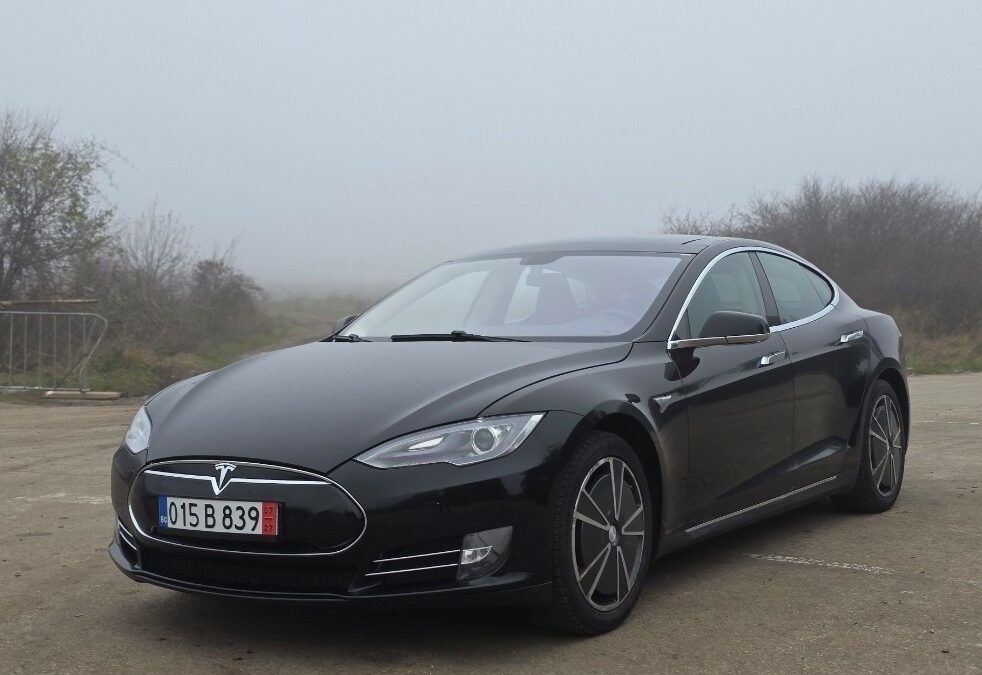
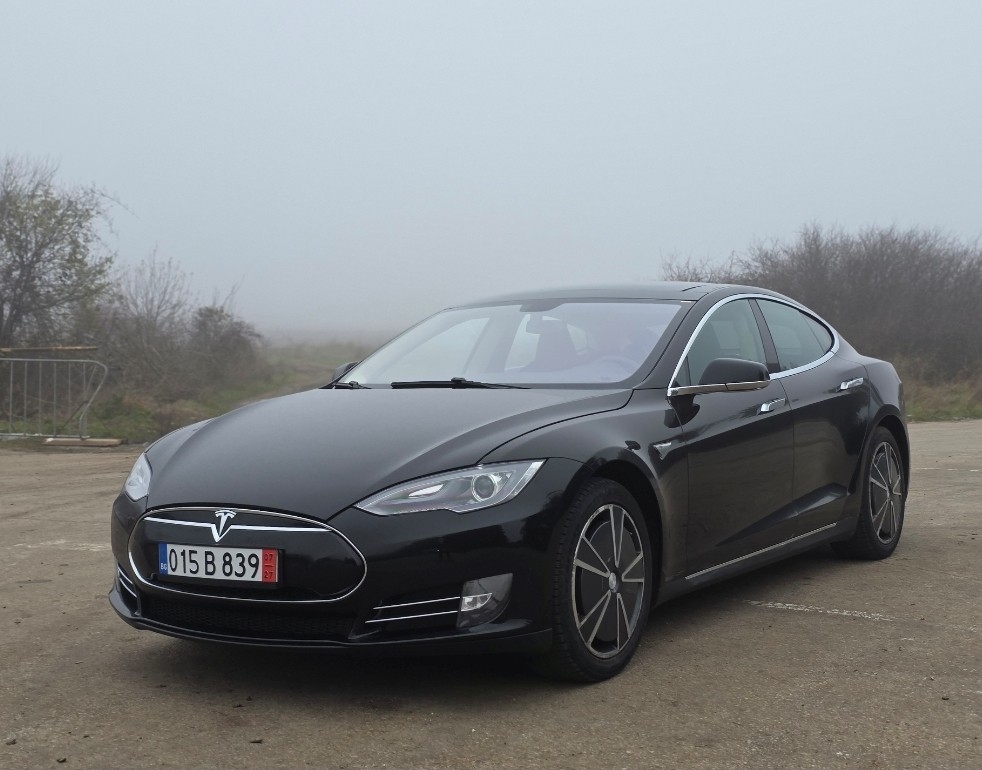
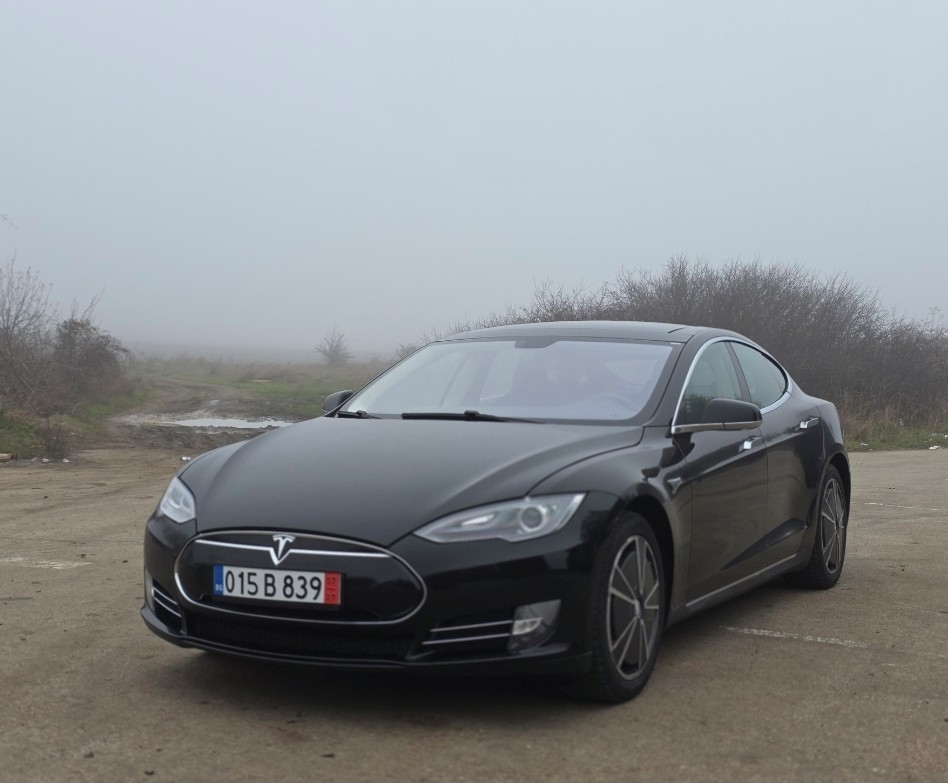
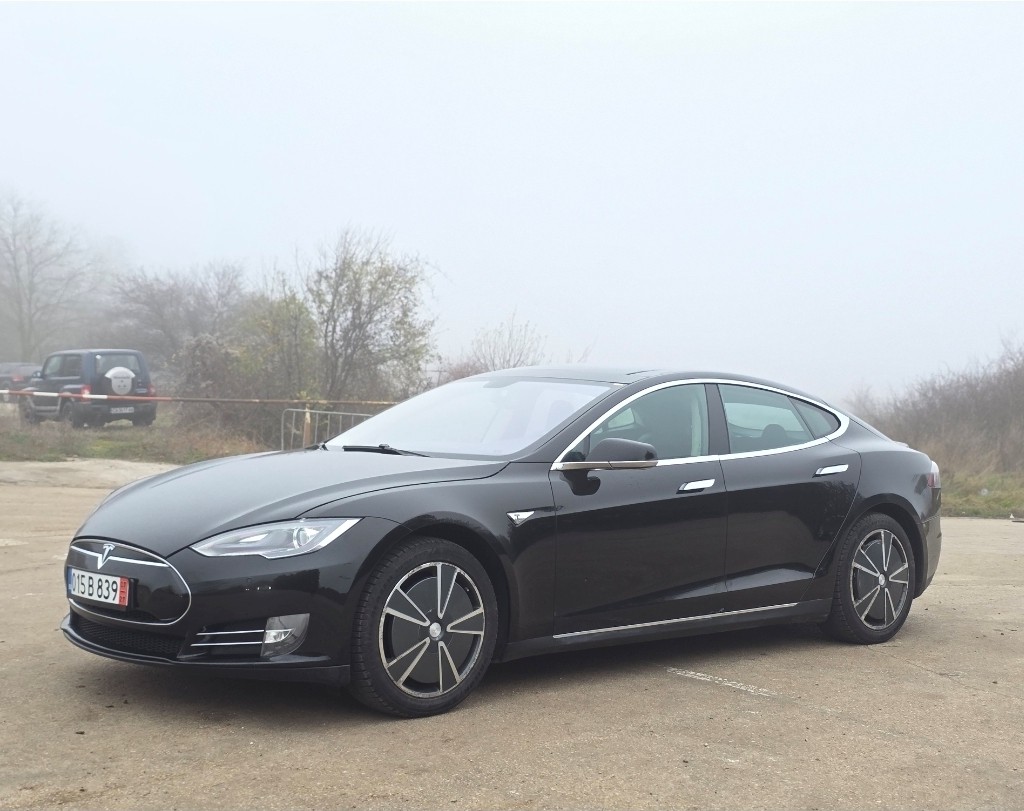
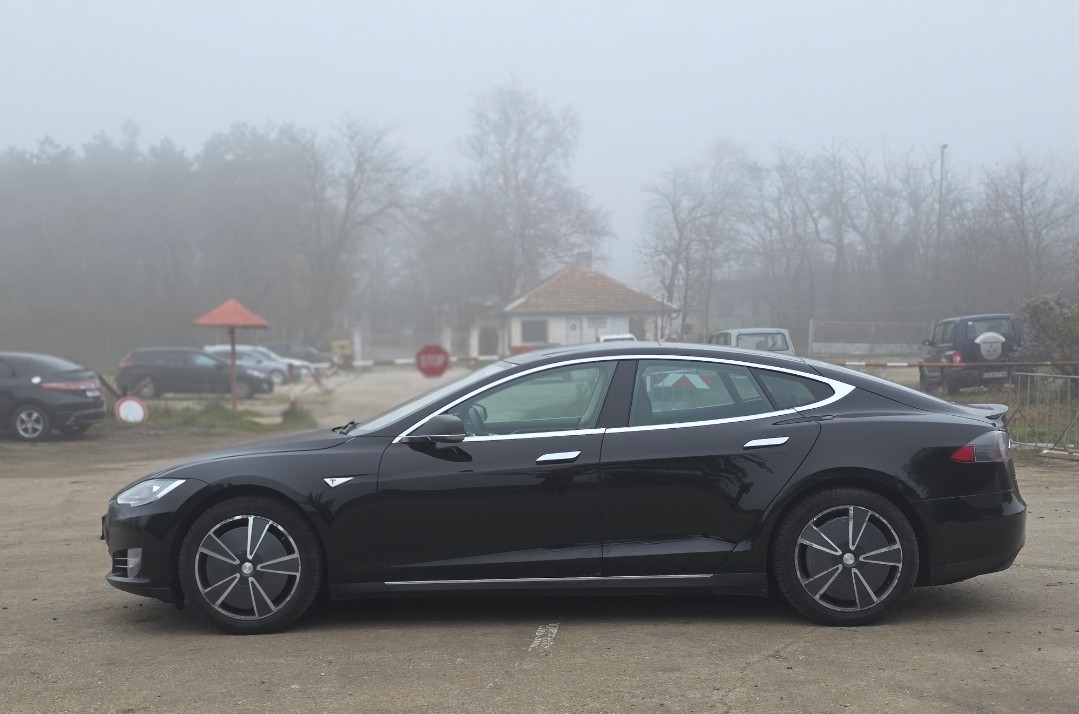
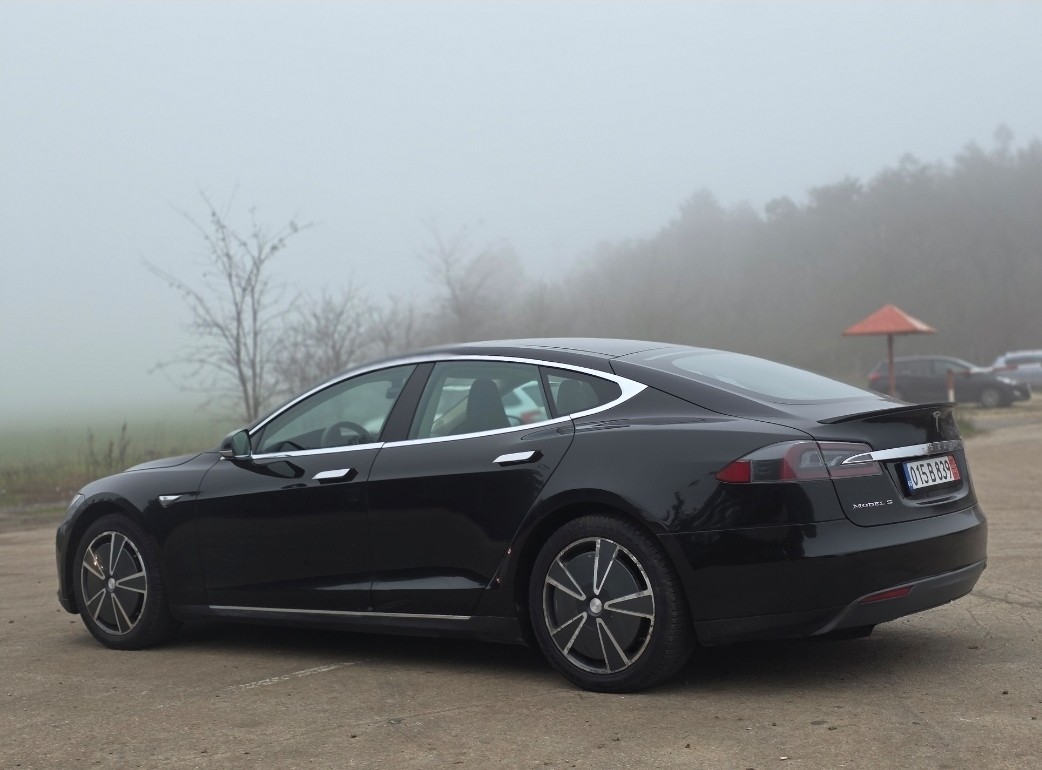
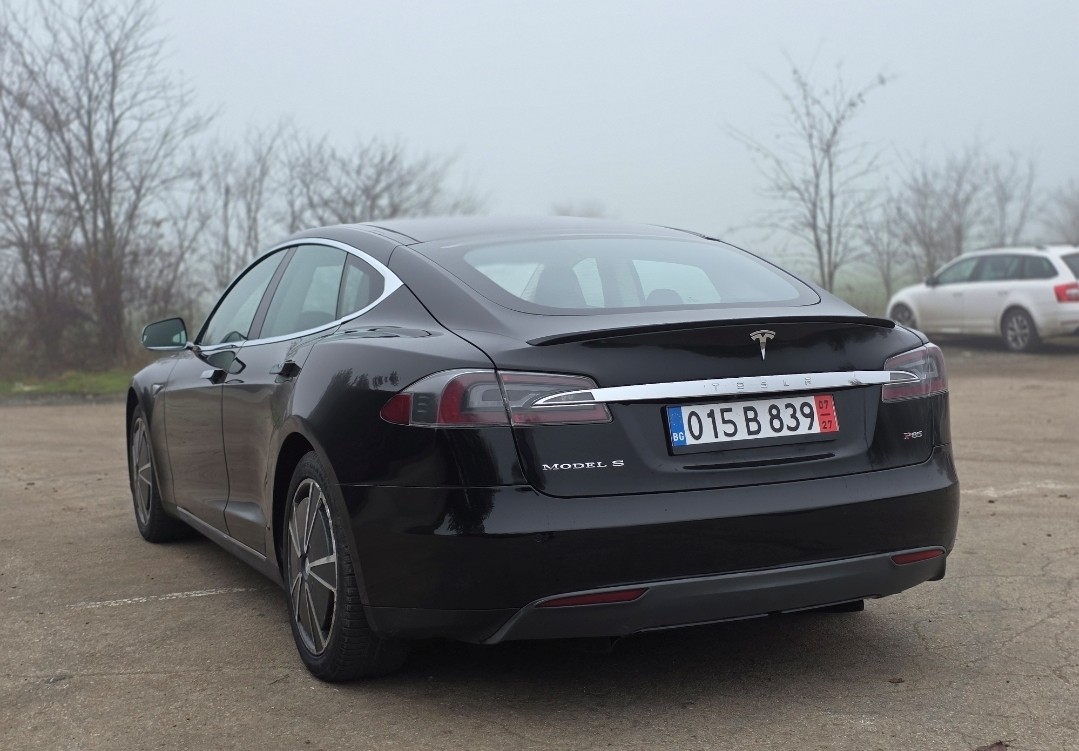
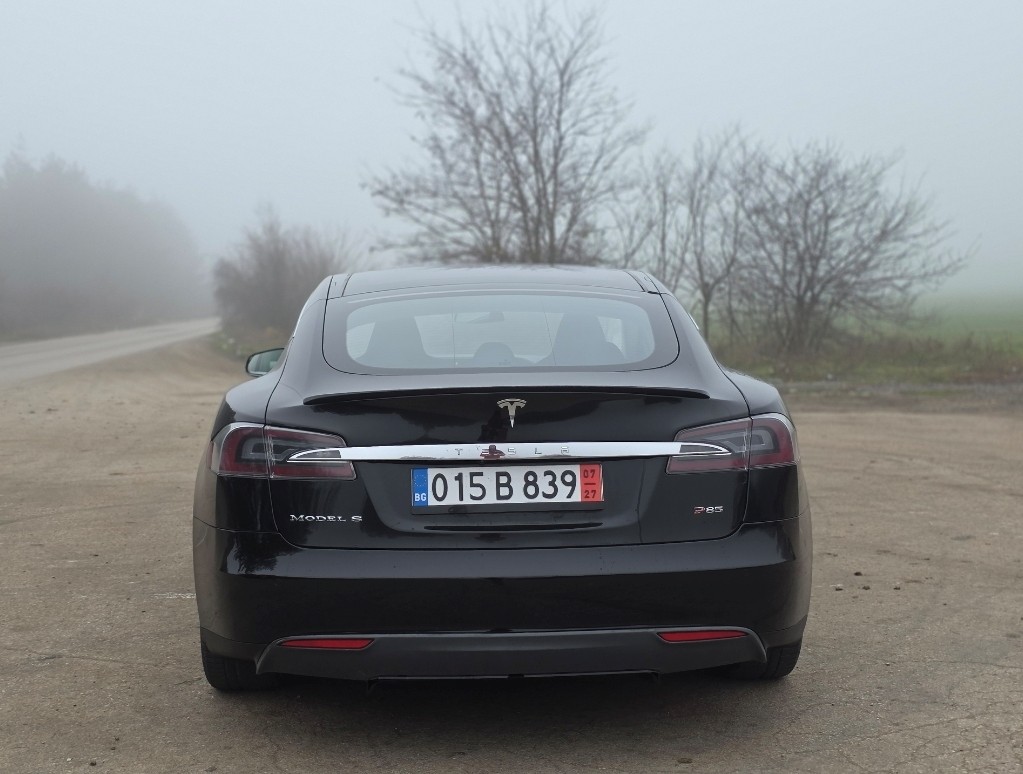
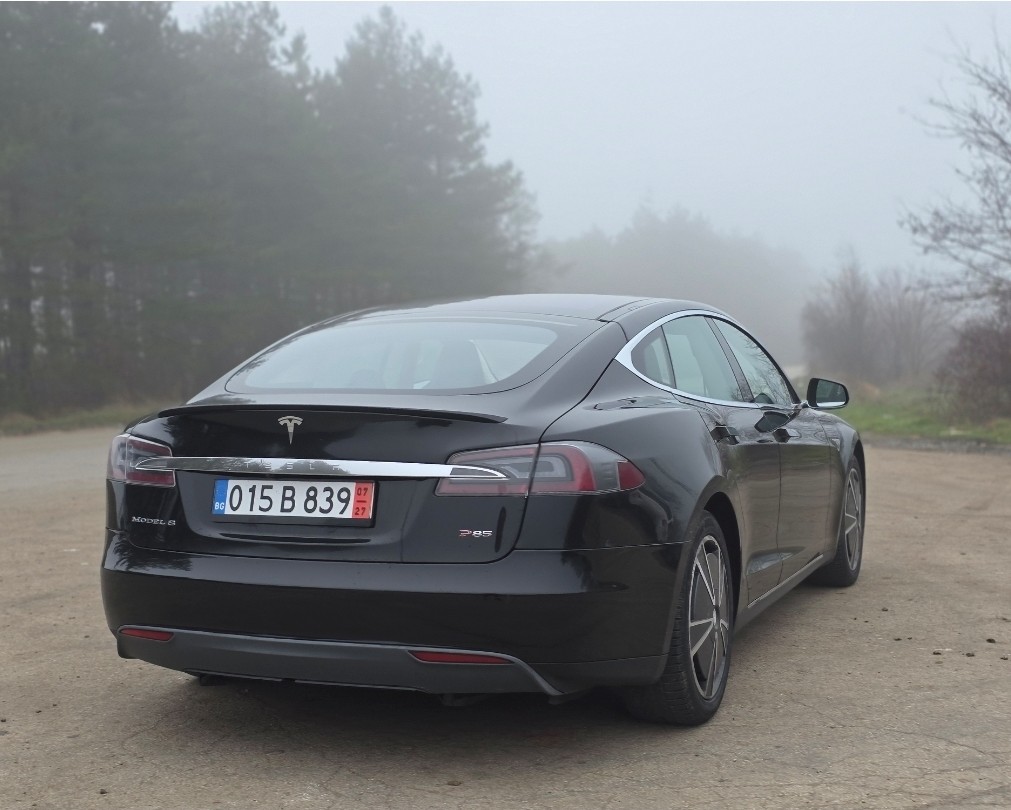
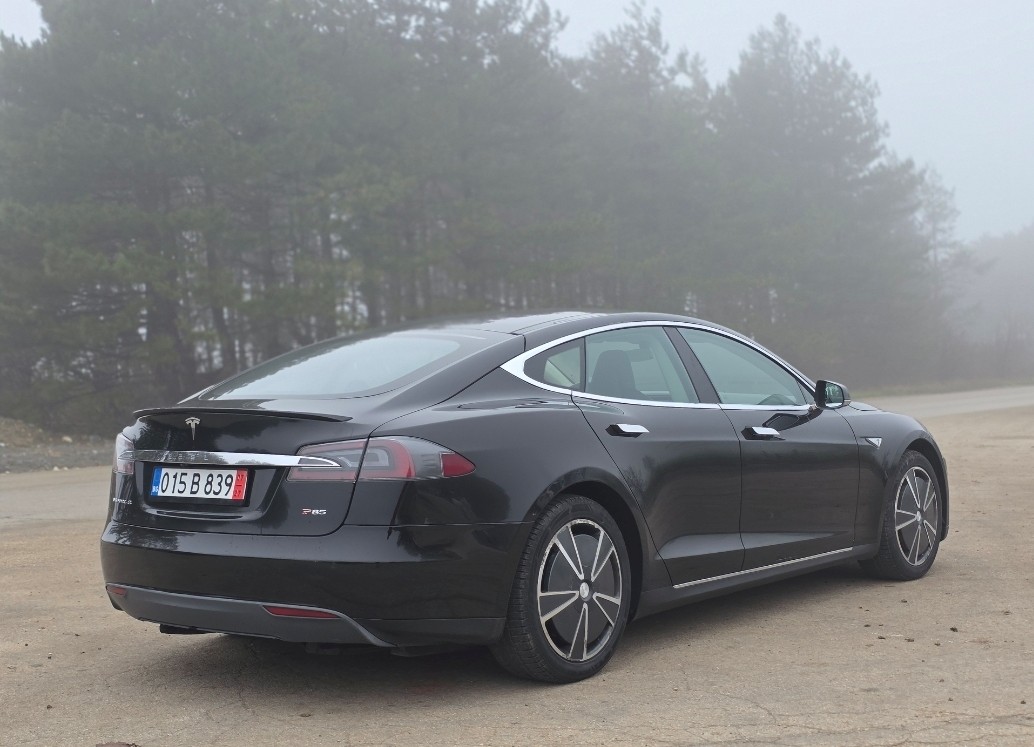
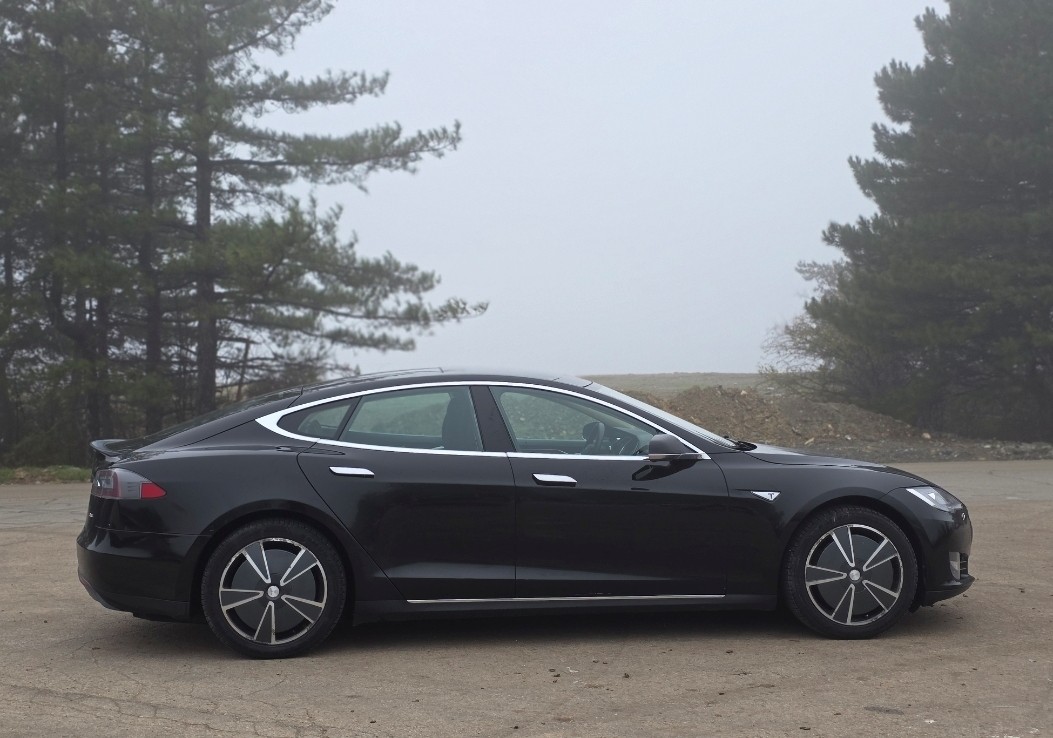
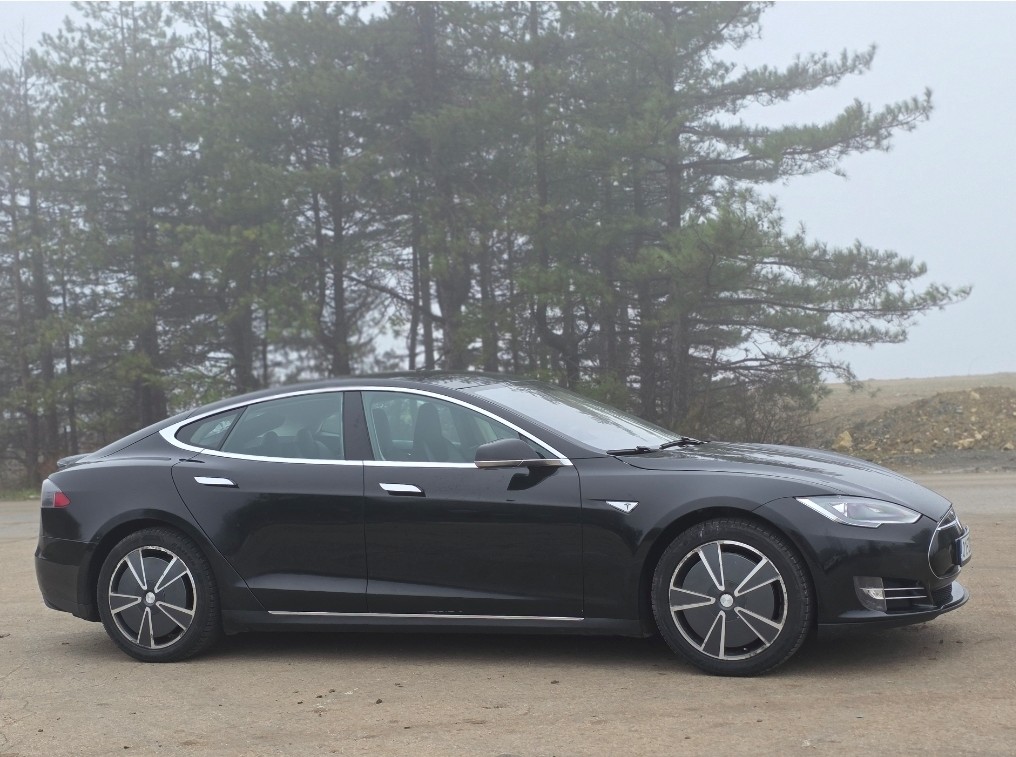
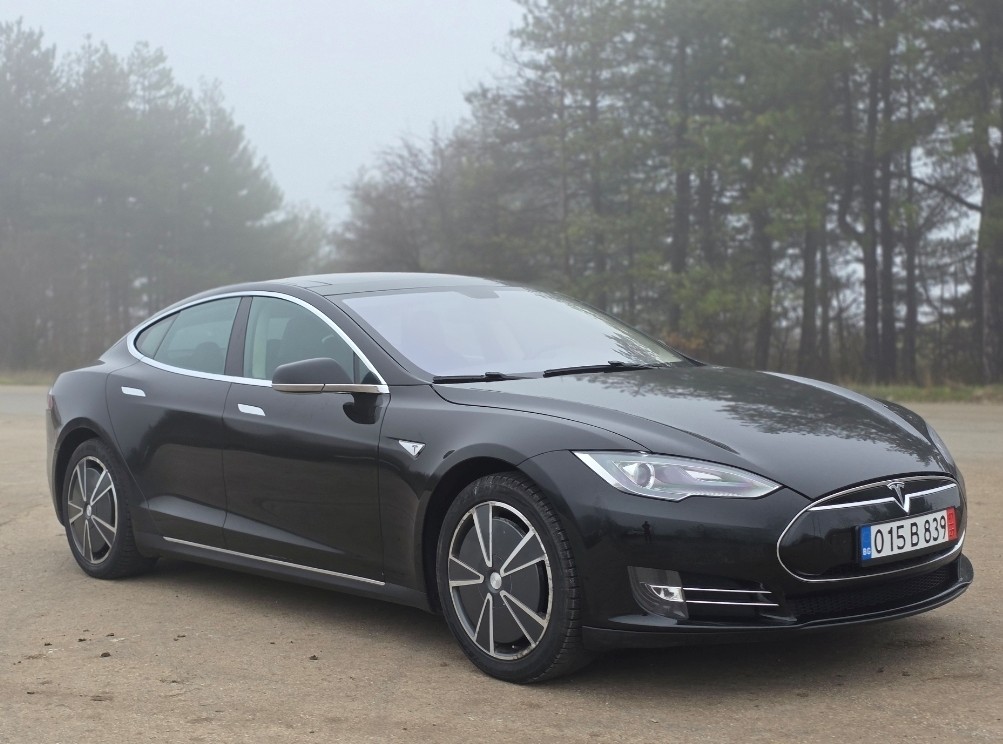
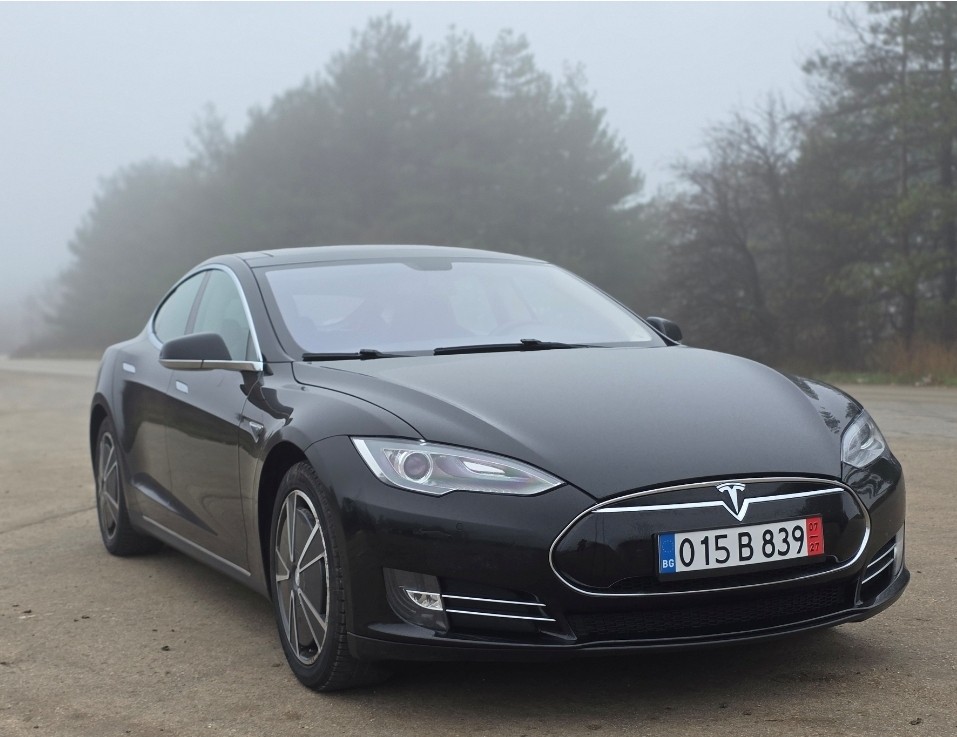
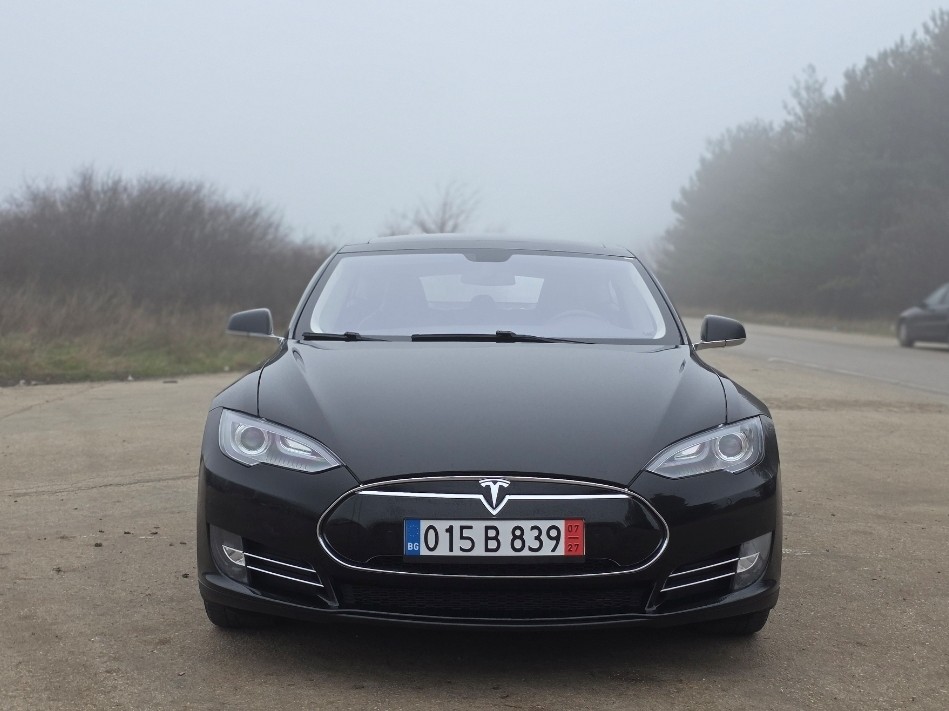
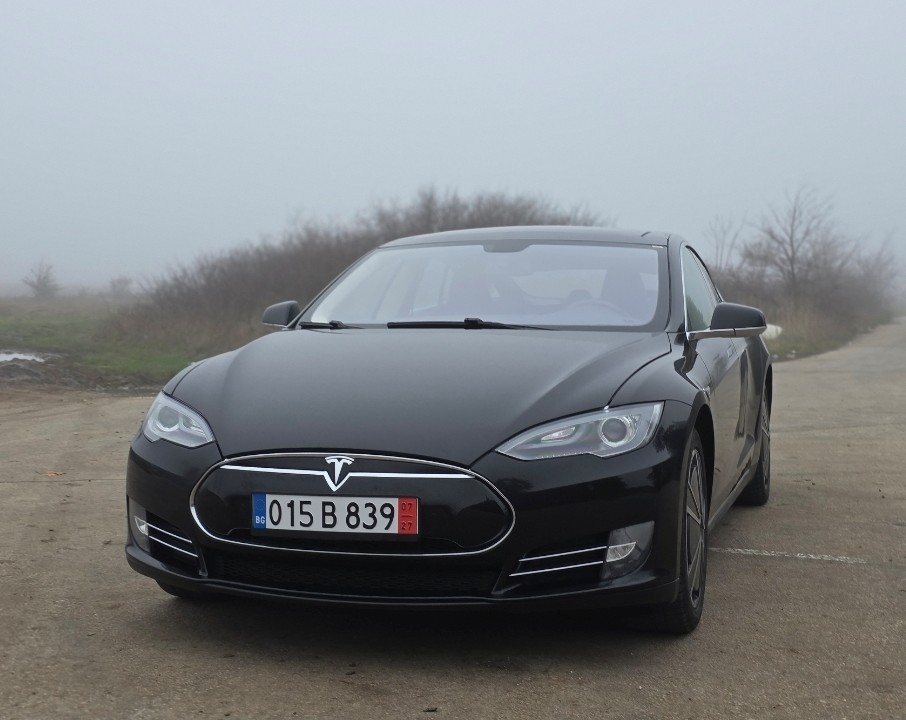
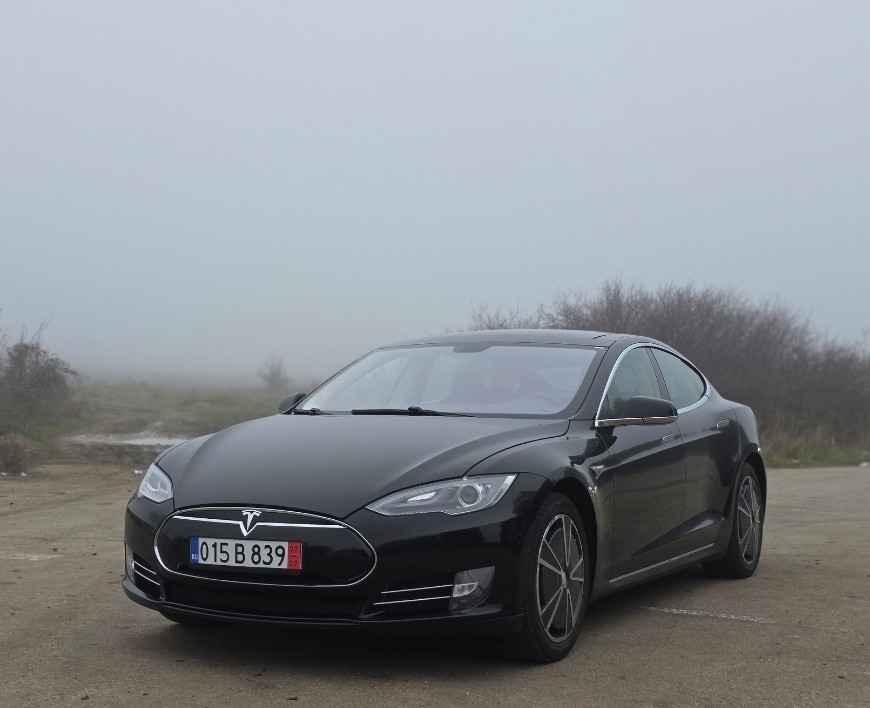
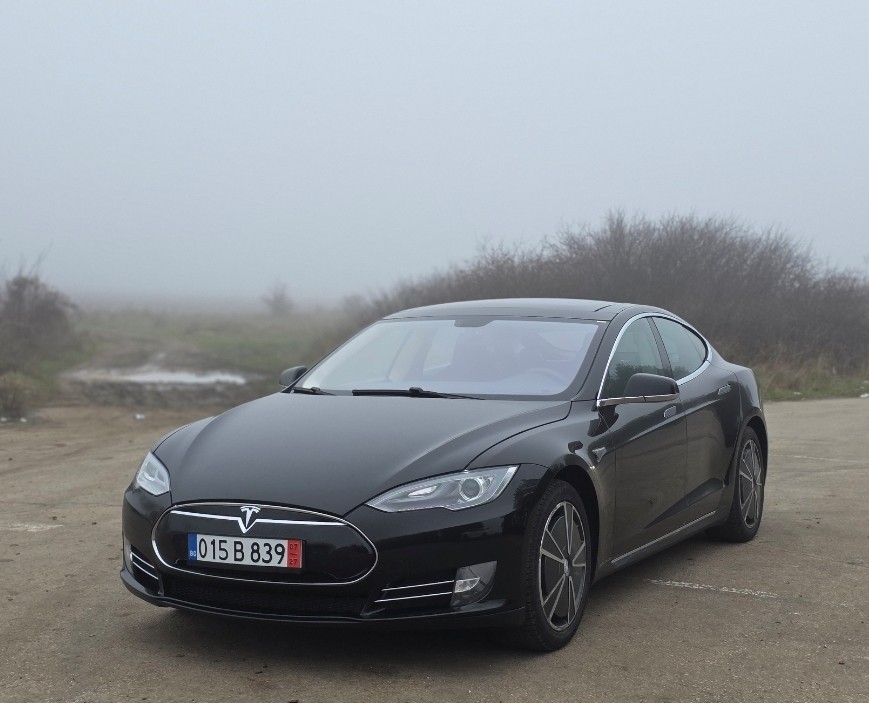
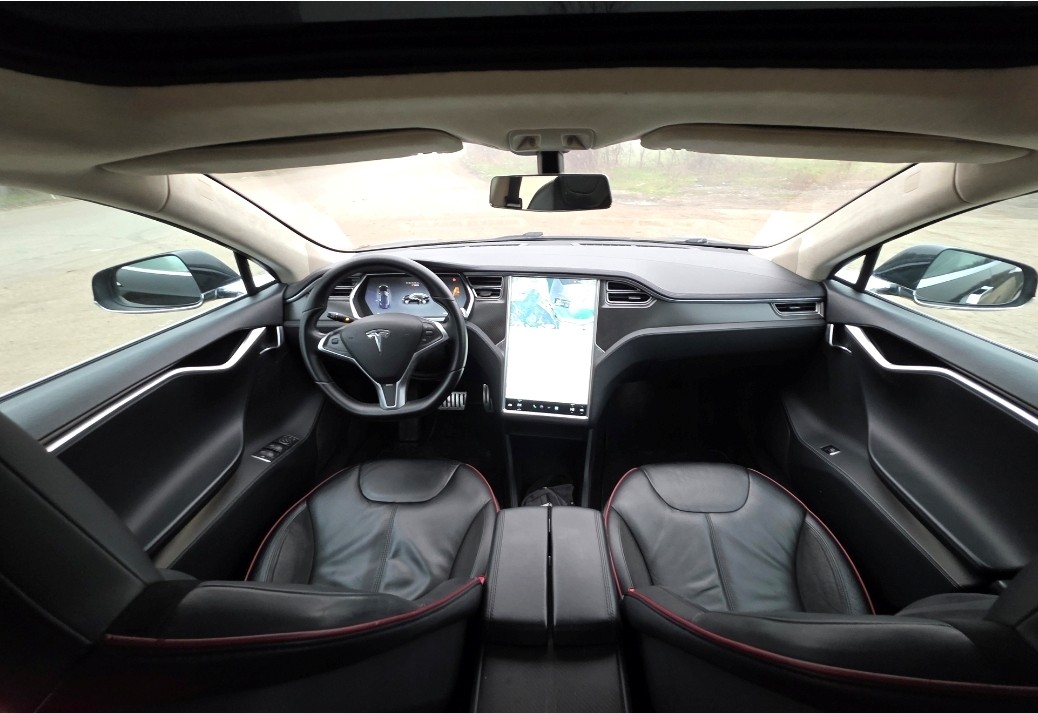
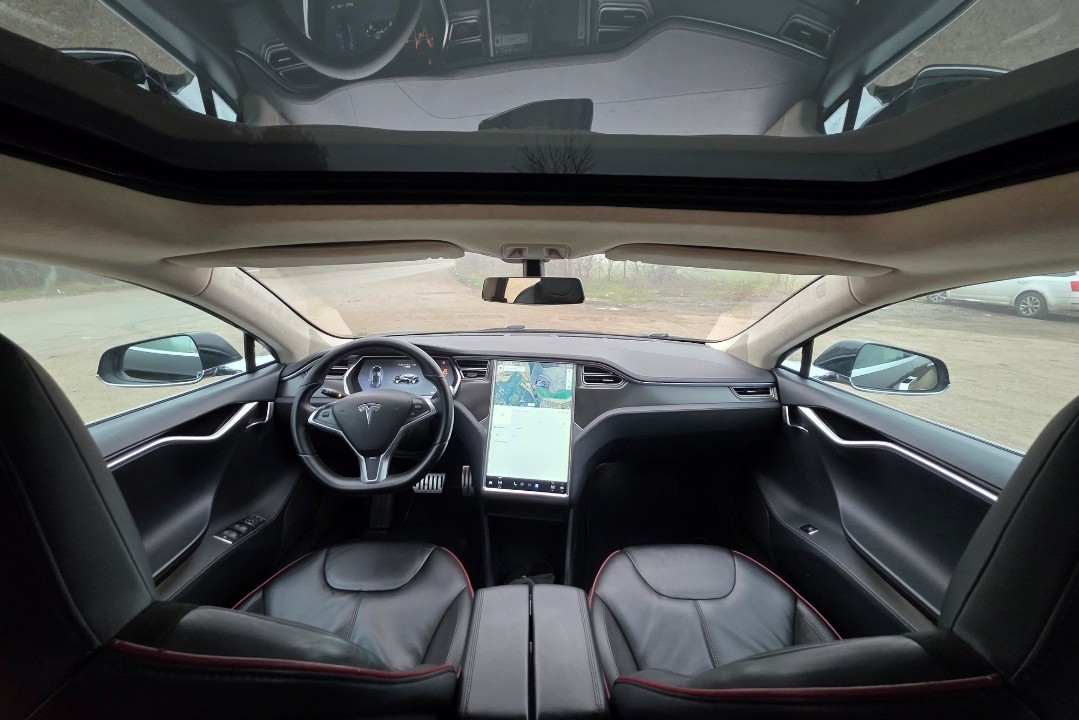
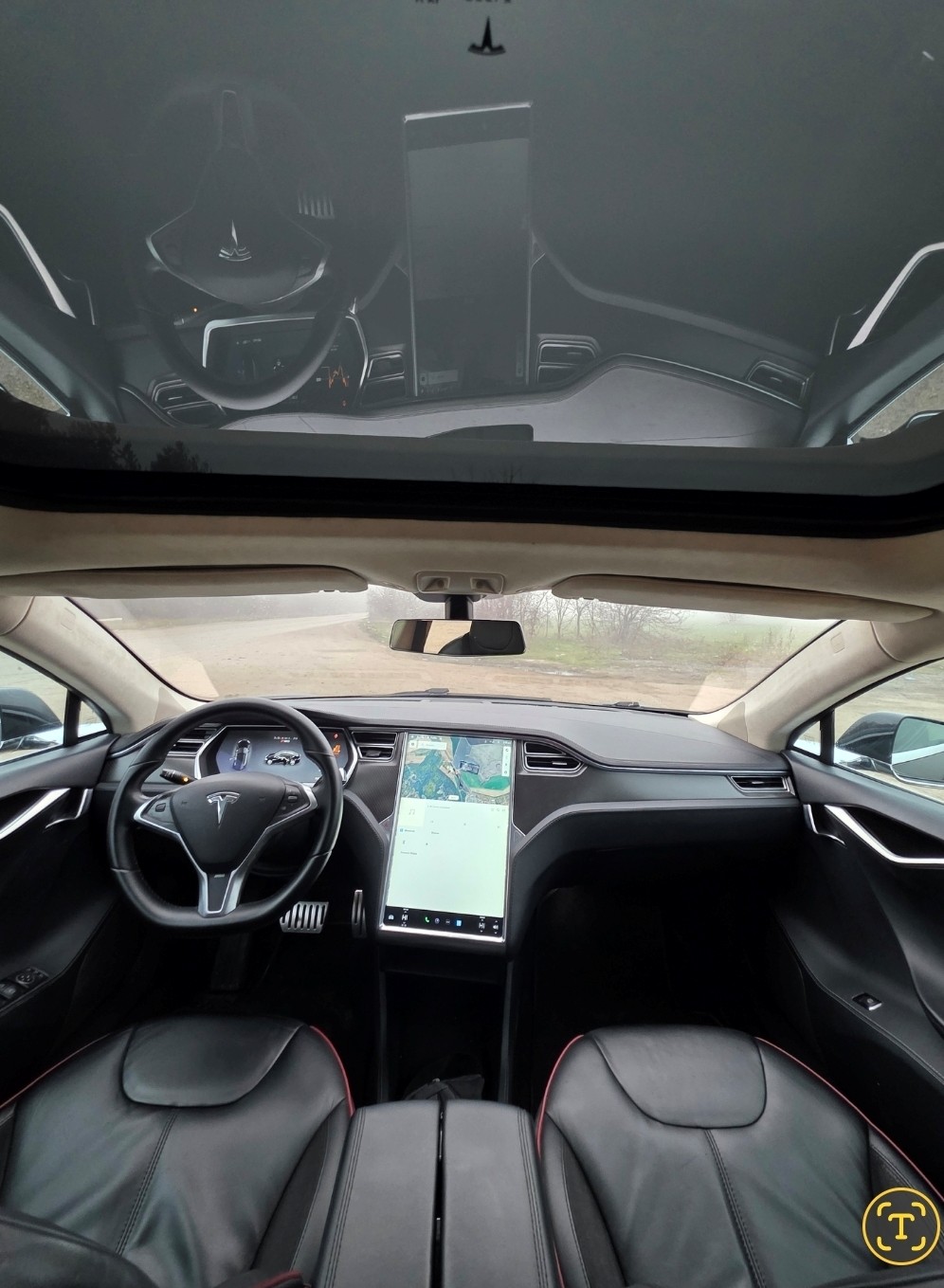
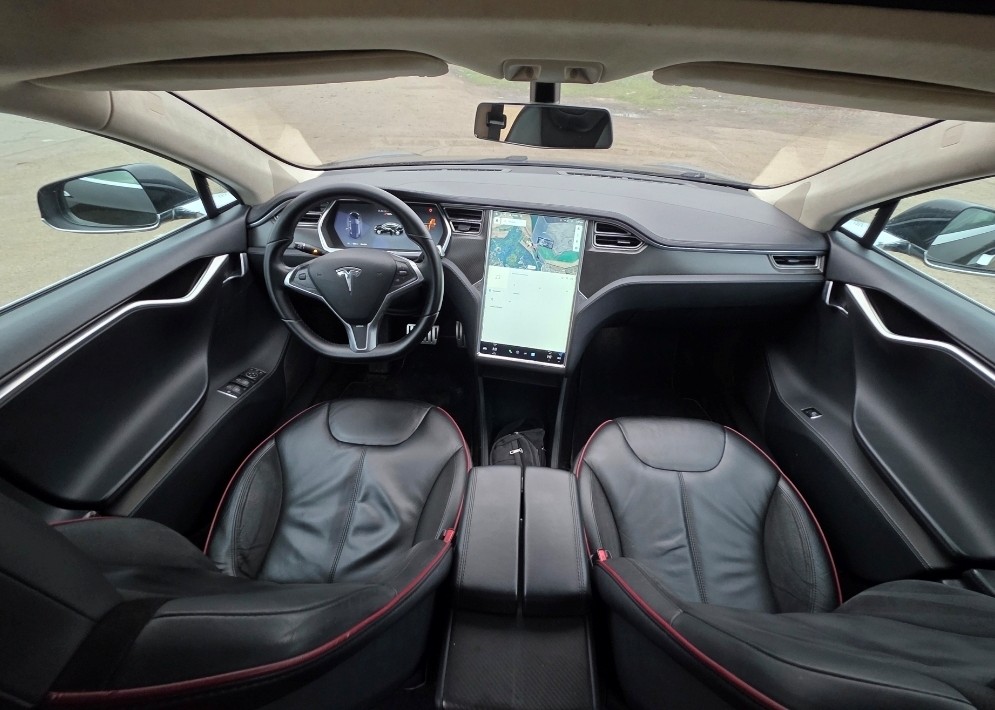
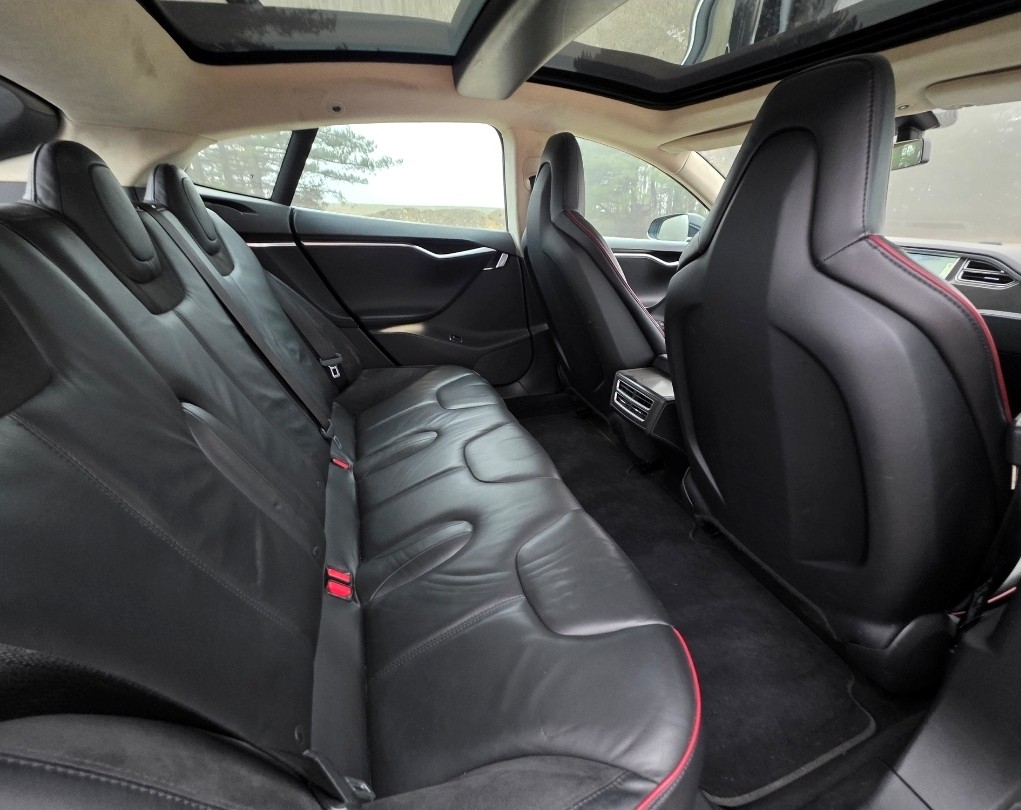
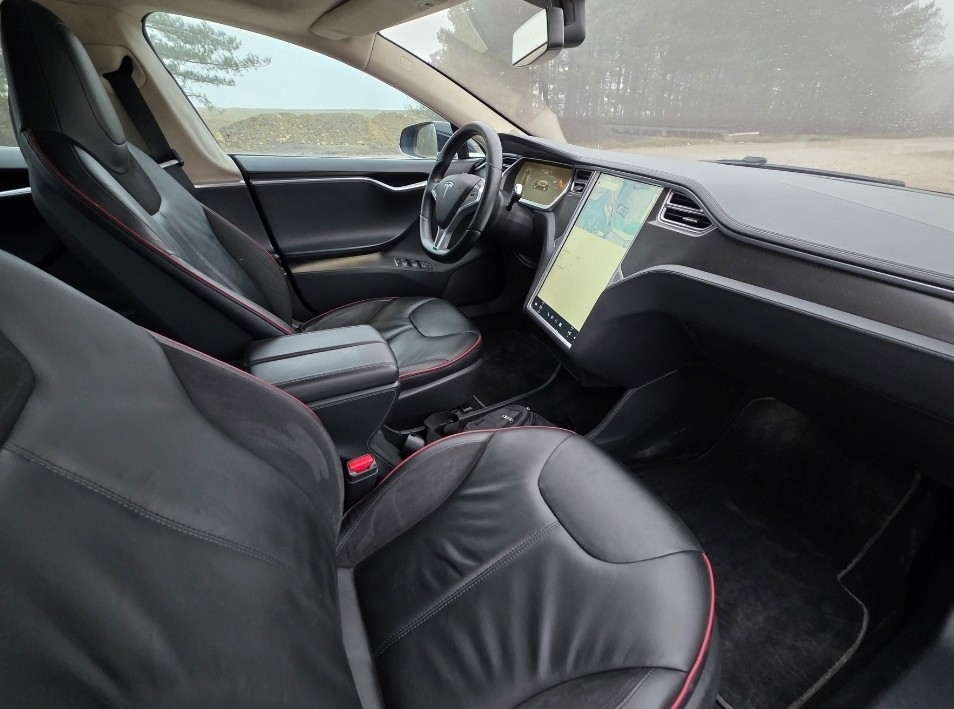
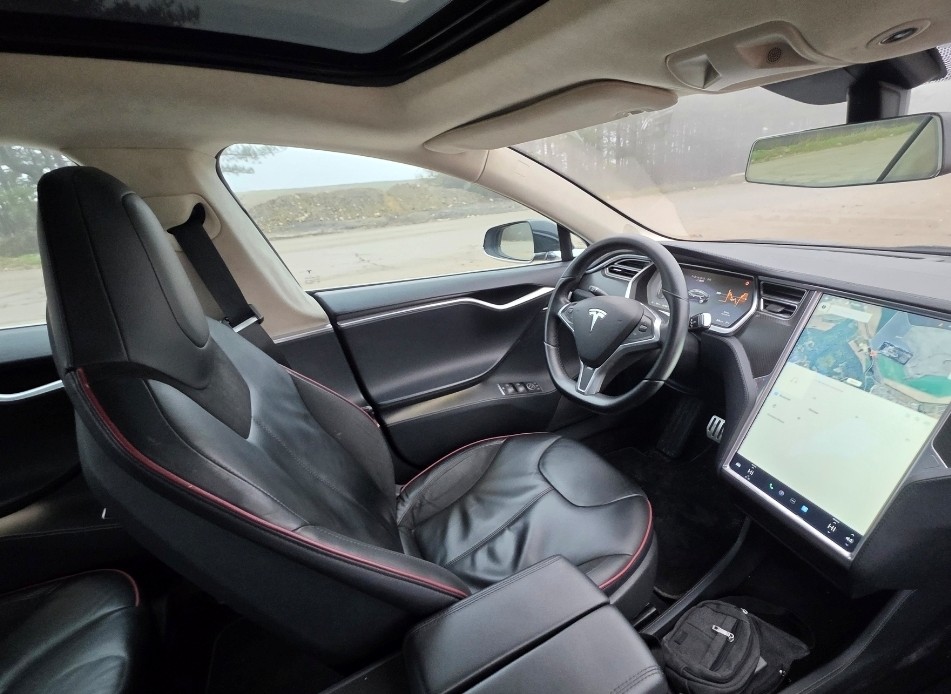
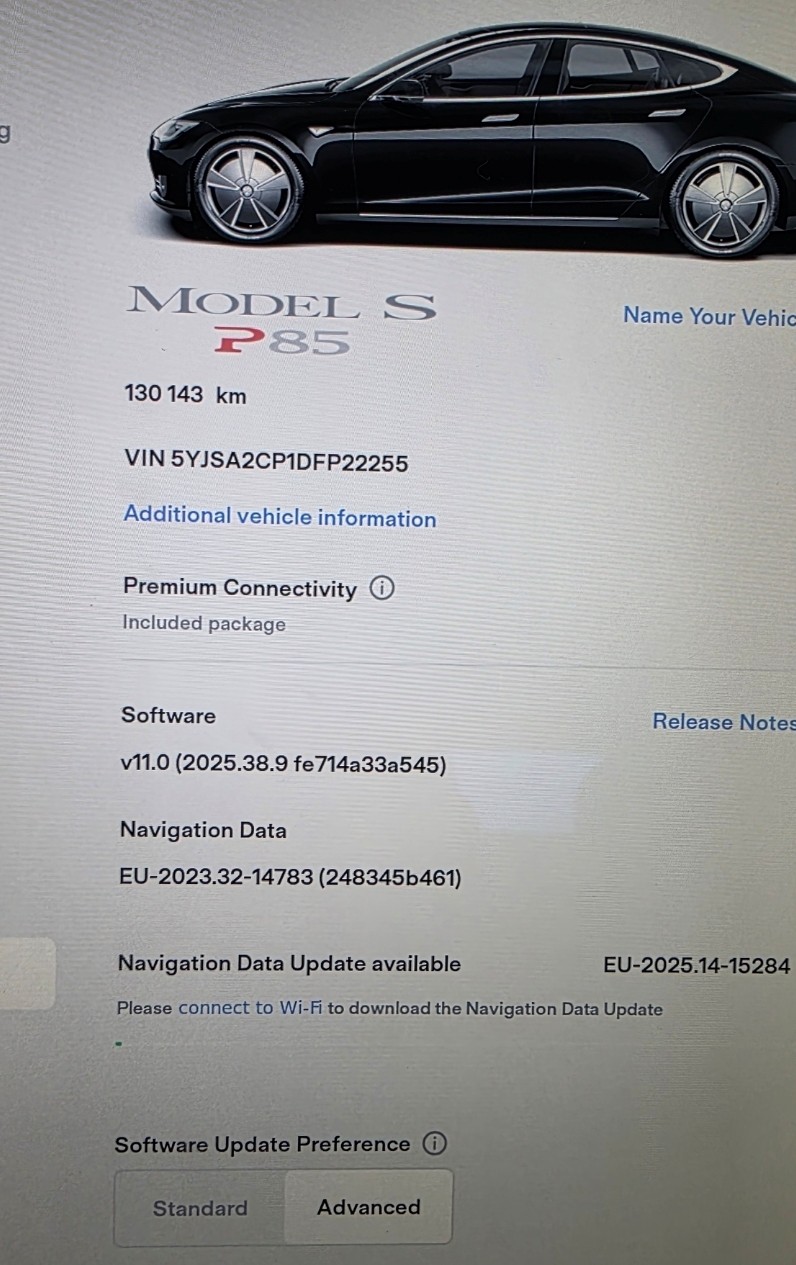
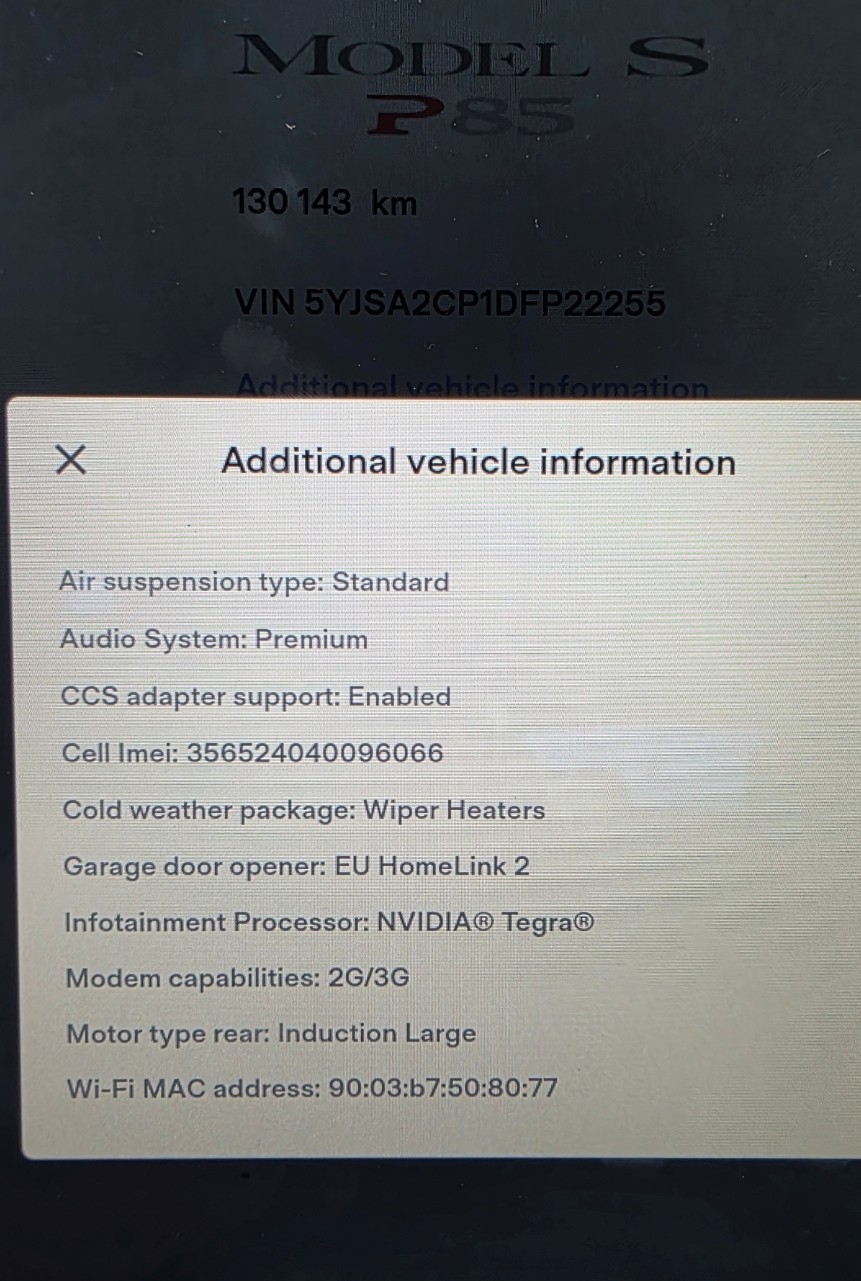
The Tesla Model S P85, 2014, EU, with Free Supercharging is a fascinating and historically significant package, representing the peak of Tesla’s early performance and vision. Its benefits are distinct but come with important context.
Here’s a detailed outline of its key benefits.
I. Core Vehicle Benefits (Model S P85, 2014)
Legendary Performance Pedigree: The „P“ stands for Performance.
Acceleration: The rear-wheel-drive P85, with its large 85 kWh battery and more powerful rear motor, offered exhilarating 0-100 km/h (~4.2 seconds) performance in 2014, rivaling high-end sports sedans. It delivers classic Tesla instant torque.
Driving Experience: Pre-„Raven“ and „Plaid“ models had a more direct, raw, and engaging driving feel compared to newer, more refined Teslas. The RWD layout offers a classic, playful driving dynamic for enthusiasts.
The Original Hatchback Luxury EV: The Model S established the template.
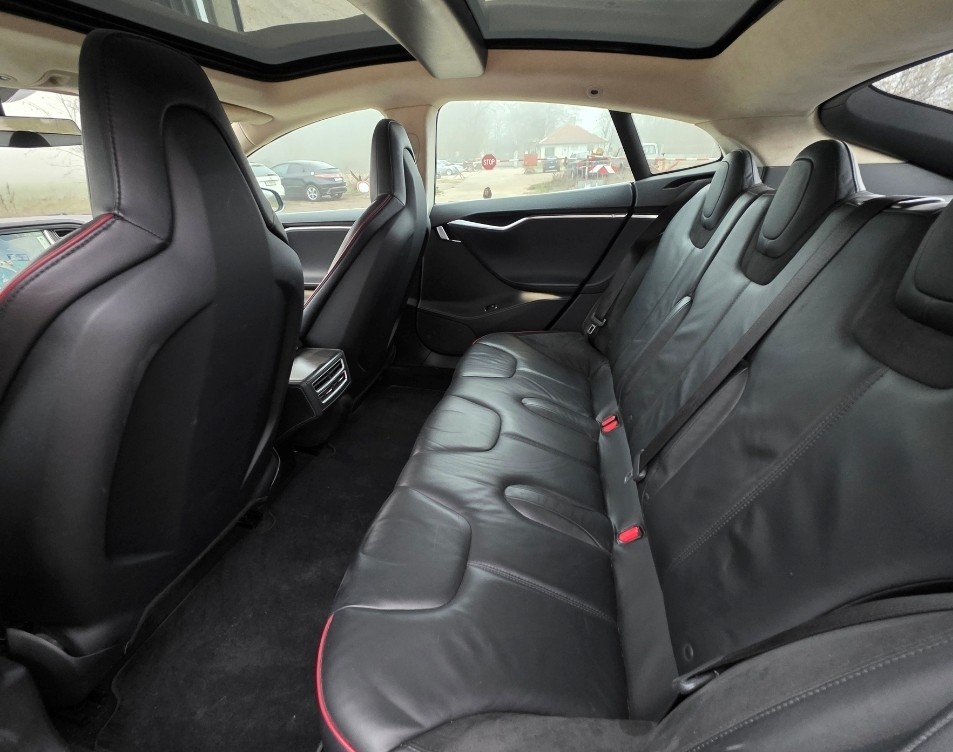
Spacious Interior & Cargo: The sleek fastback design hides a massive, practical hatchback. Combined with the frunk, it offers more total cargo space than many SUVs.
Flagship Presence: Even today, the Model S has a distinct, premium, and iconic presence on the road.
Proven Platform: By 2014, Tesla had resolved many critical early production issues (e.g., major drive unit failures) through warranties and updates. This is a more reliable example than the earliest 2012-2013 vehicles.
II. The Pivotal Benefit: Free Unlimited Supercharging (FUSC)
Transferable Lifetime Perk: This is the primary value proposition. The 2014 Model S was sold with free, unlimited, lifetime Supercharging that is permanently tied to the vehicle’s VIN and transfers to all future private owners.
Massive Cost Savings: For a frequent traveler or high-mileage driver, this effectively eliminates „fuel“ costs for the life of the car when using Tesla’s fast-charging network across Europe. This can amount to thousands of euros in savings annually.
Rarity & Desirability: This perk is no longer available on any new Tesla (except under rare referrals). It makes this specific car a coveted asset among EV enthusiasts and road-trippers.
III. European (EU) Specification
EU-Specific Charging: Equipped with the proper Type 2 Mennekes charge port for European AC charging and early Supercharger compatibility.
Regulatory Compliance: Meets EU type-approval, ensuring straightforward registration and use.
IV. Technology & Feature Level (of its Era)
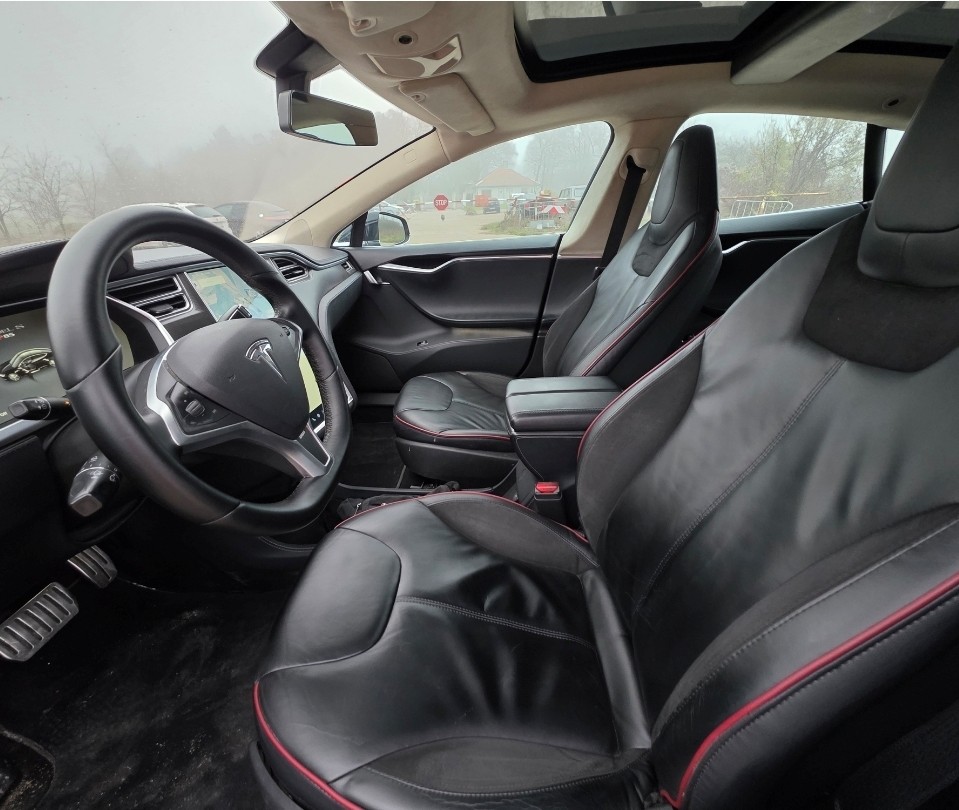
Massive 17-inch Touchscreen: This was a revolutionary centerpiece in 2014 and remains functional and impressive.
Autopilot Hardware (Crucially, AP1): Most 2014 Model S vehicles are equipped with Hardware 1 (HW1), also known as the „Autopilot 1“ or „Mobileye“ suite. This includes:
A Single Forward-Facing Camera, Radar, and 12 ultrasonic sensors.
Capabilities: It enables Traffic-Aware Cruise Control and Autosteer (lane-keeping) primarily on highways. It is a mature, reliable, and smooth system for its limited scope, but it does not and will never support newer features like Navigate on Autopilot or Traffic Light recognition.
Sunroof: Many 2014 models feature the large, panoramic glass sunroof that opens, a feature later removed from the Model S.
Critical Considerations & Trade-offs (The „Other Side“)
To understand the benefits, one must acknowledge the significant trade-offs of this 10-year-old, first-generation EV:
Out of Warranty & Major Component Risk: The 8-year battery/drive unit warranty has expired.
Battery Degradation & Risk: The early 85 kWh battery packs are known to be less reliable than later revisions. Battery failure is a catastrophic financial risk (replacement can cost €15,000-€25,000). Degradation of 10-15% is typical. A battery health check is mandatory.
Drive Unit: The large rear performance motor in the P85, while often updated under warranty, is now an owner’s responsibility.
Door Handles & MCU: The complex retractable door handles are a common point of failure. The original MCU1 (NVIDIA Tegra) is infamous for eventual eMMC memory failure, leading to a blank screen. Many have been upgraded to MCU2 (cost ~€2,000+); this is a critical upgrade to seek.
Slower Charging & Older Tech:
Supercharging Speed: It charges significantly slower than a modern Model Y (max ~120 kW vs. 250 kW), meaning longer stops on road trips.
No Modern Software Features: No Sentry Mode, Dashcam, Netflix, Caraoke, or advanced games. Navigation maps may be outdated without an MCU2 upgrade.
Lack of Advanced Safety & Performance:
No AWD: The P85 is Rear-Wheel Drive, which can be challenging in snow/ice without proper tires.
Slower Than Modern EVs: While quick in 2014, a new Model 3 Long Range now matches or beats its performance.
Basic Safety Suite: Lacks the multitude of cameras and advanced collision avoidance of newer Teslas.
V. Summary: The Rationale for Choosing This Vehicle
This car is not a practical, trouble-free daily driver for most people. Its benefits are specific and situational:
The Free Fuel Proposition: It is primarily a financial/travel hack for someone who can utilize the unlimited Supercharging extensively, offsetting its inherent risks and aging technology.
Collector & Enthusiast Appeal: For a Tesla enthusiast, it represents a seminal, high-performance chapter in the company’s history—the original „P“ car.
High-Mileage Specialist: Ideal for a user who plans to drive a very high annual mileage on the European Supercharger network, where the free energy can justify the potential maintenance costs.
In essence, the 2014 Model S P85 is a unique asset, not just a car. You are trading modern reliability, speed, safety, and technology for a legendary, transferable lifetime fuel pass and a piece of EV history. A thorough pre-purchase inspection by a Tesla specialist, focusing on battery health and MCU status, is non-negotiable.