
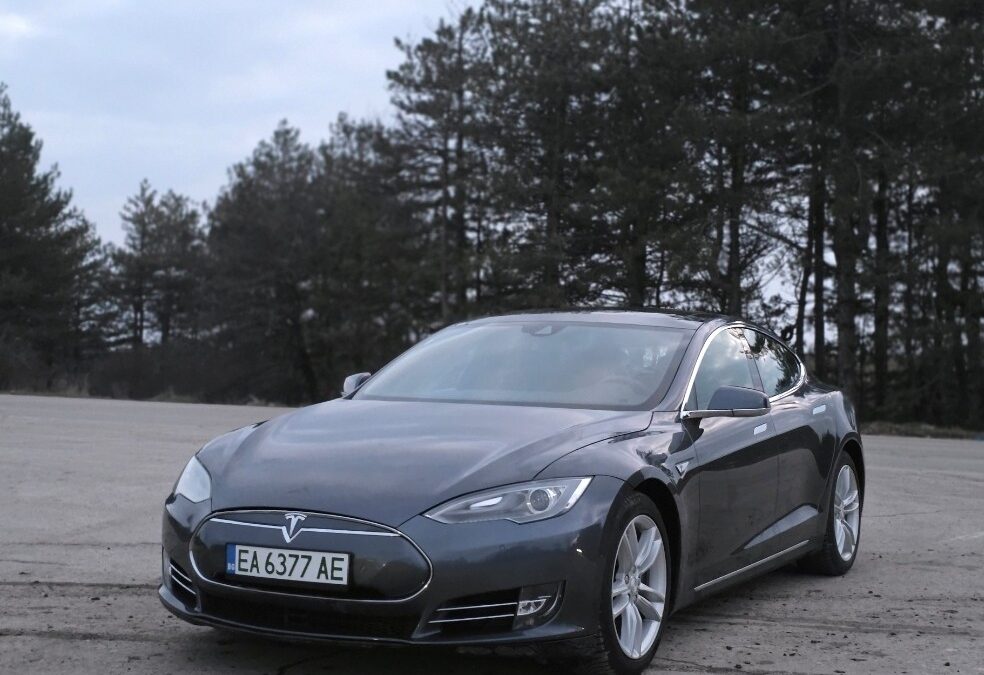
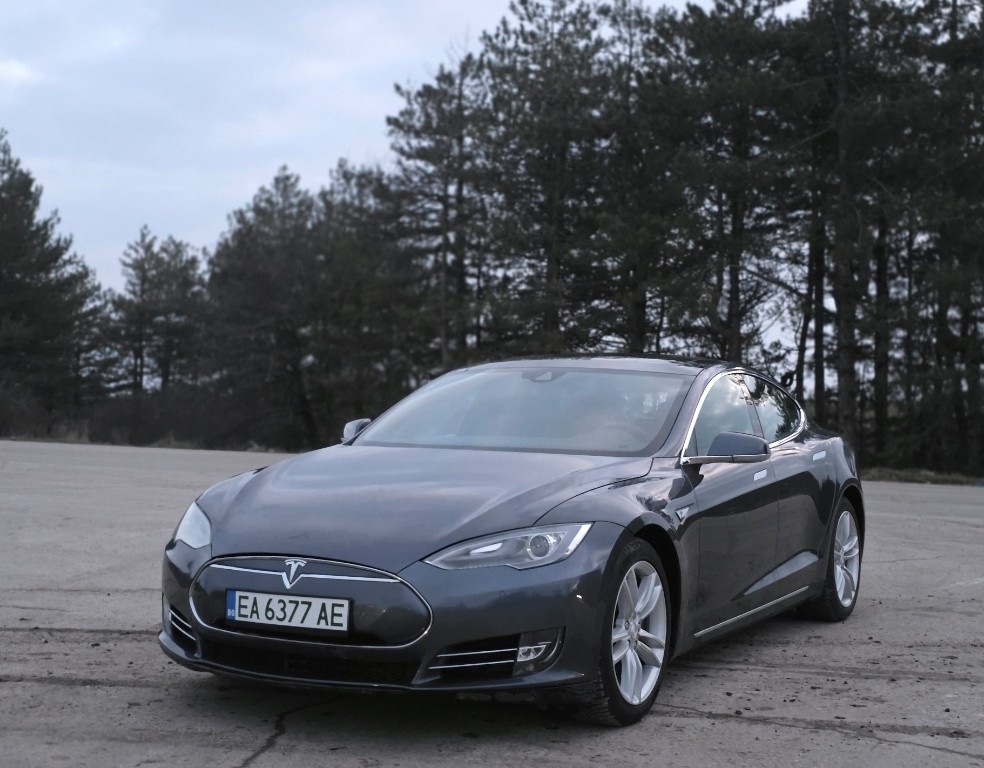
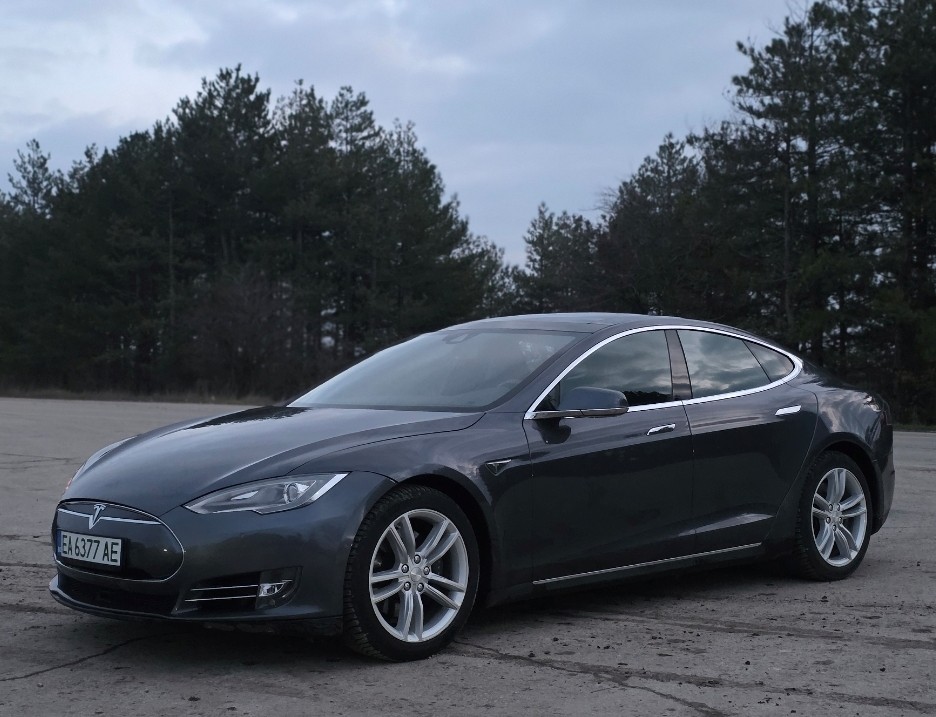
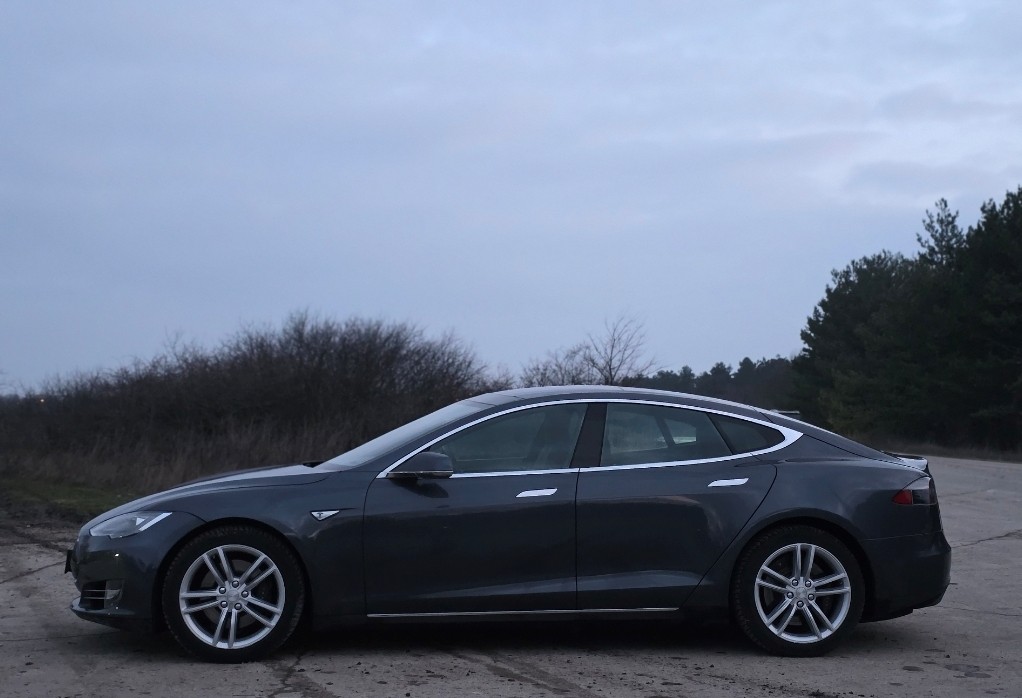
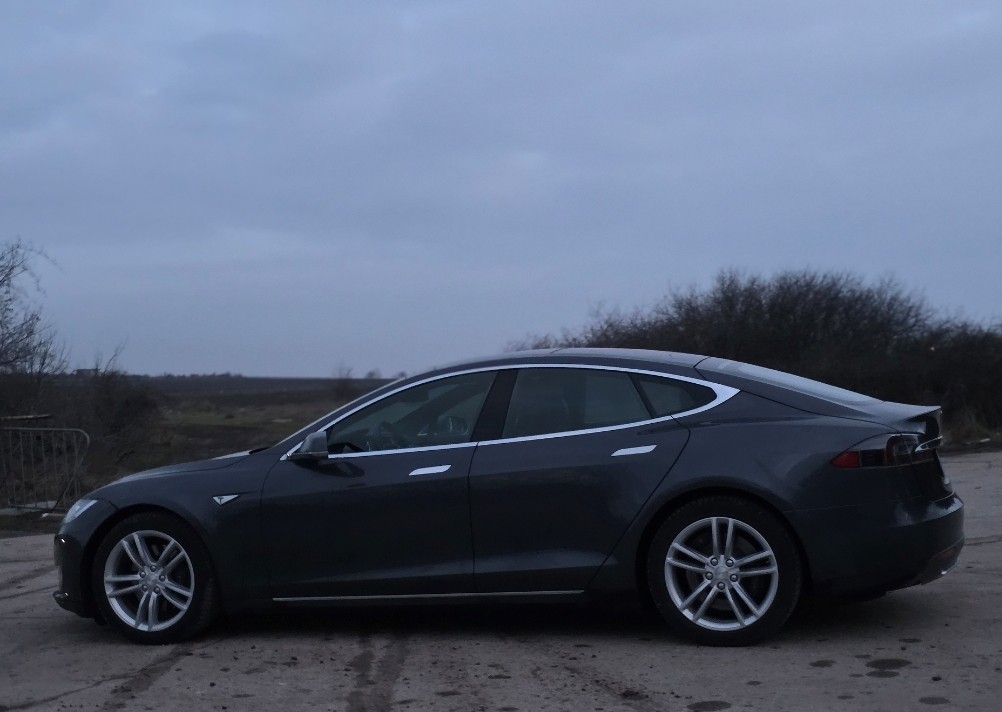
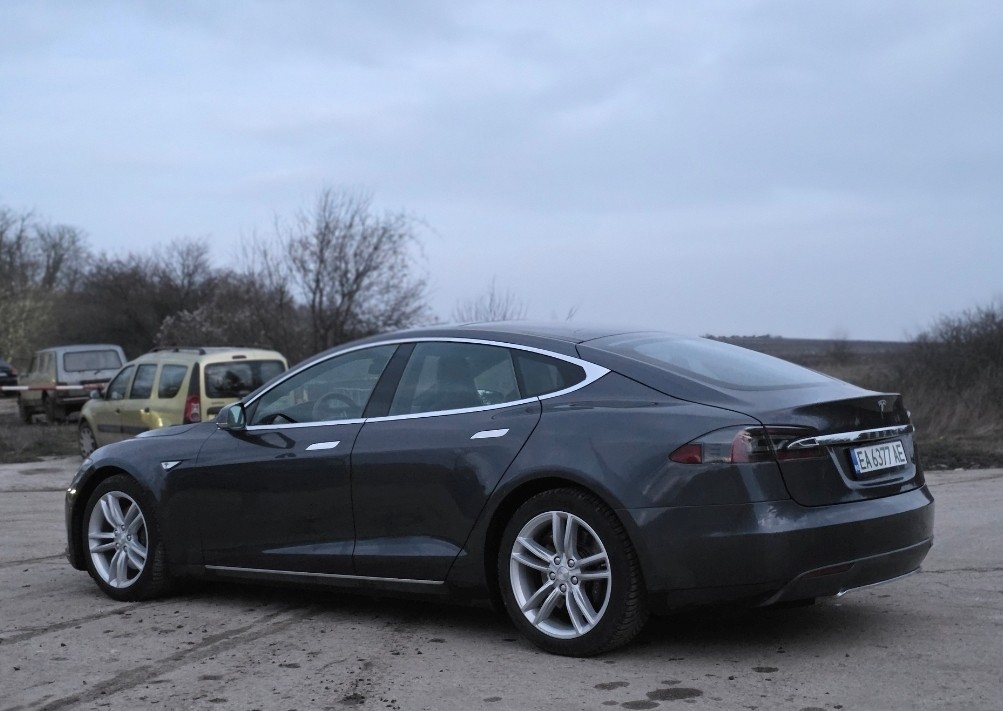
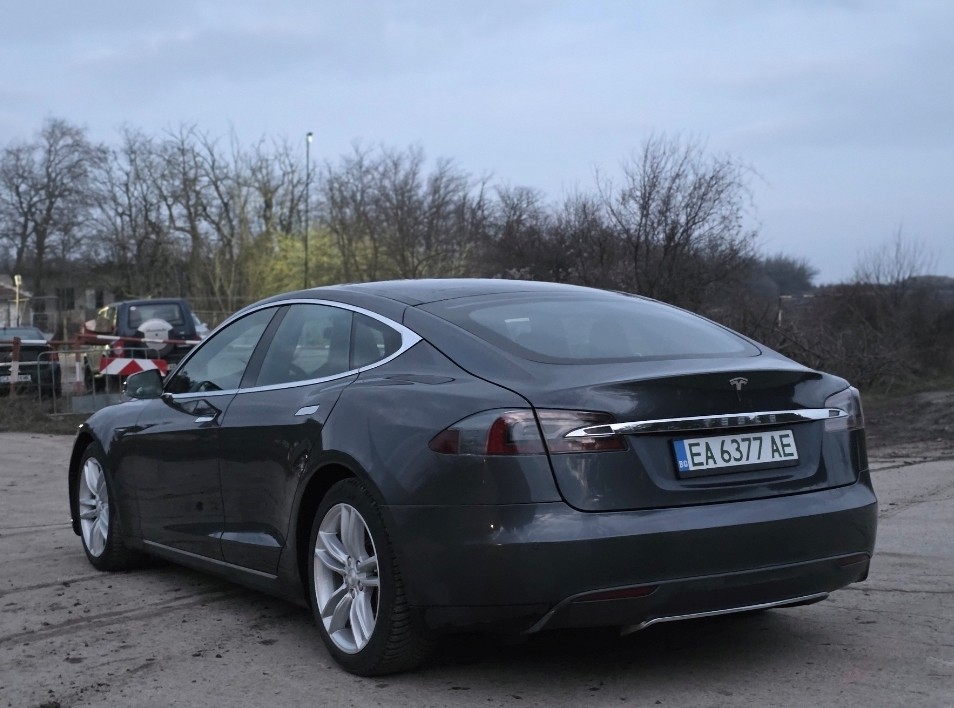
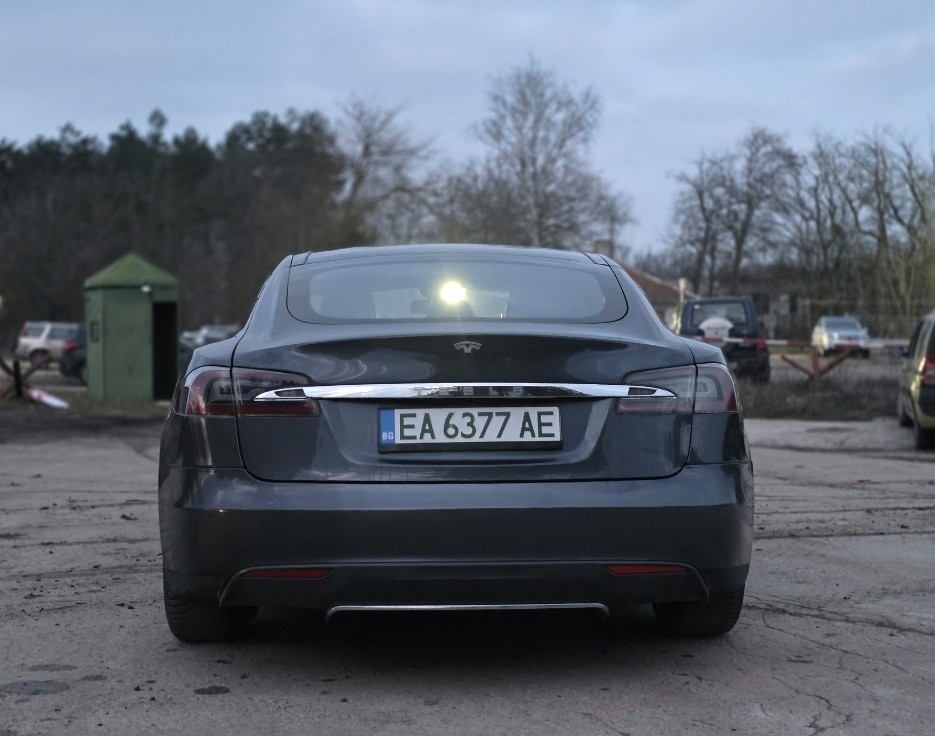
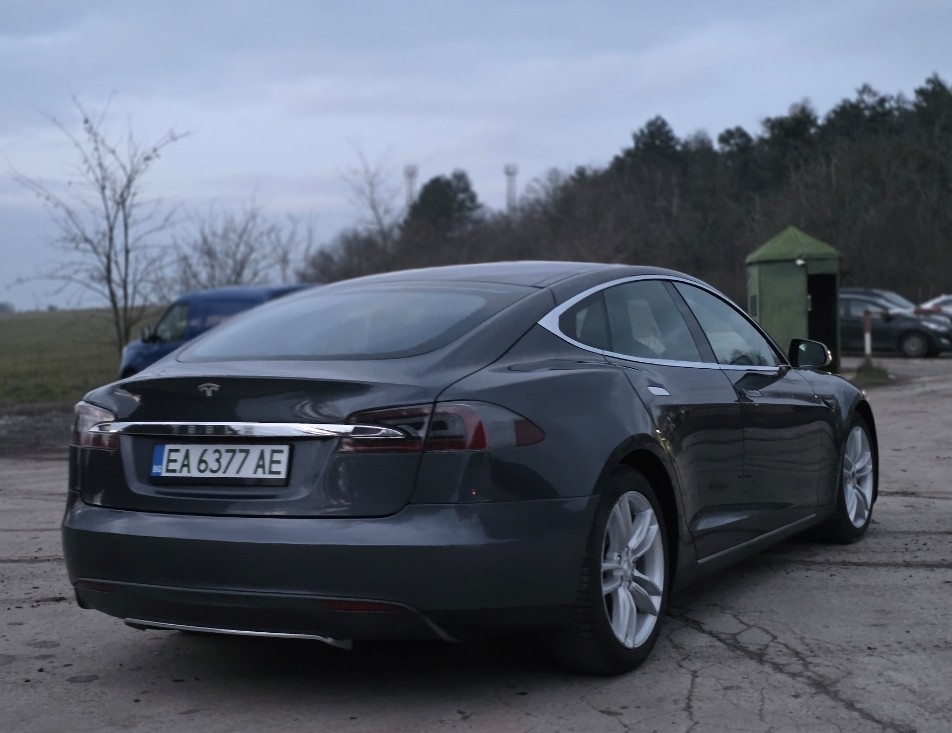
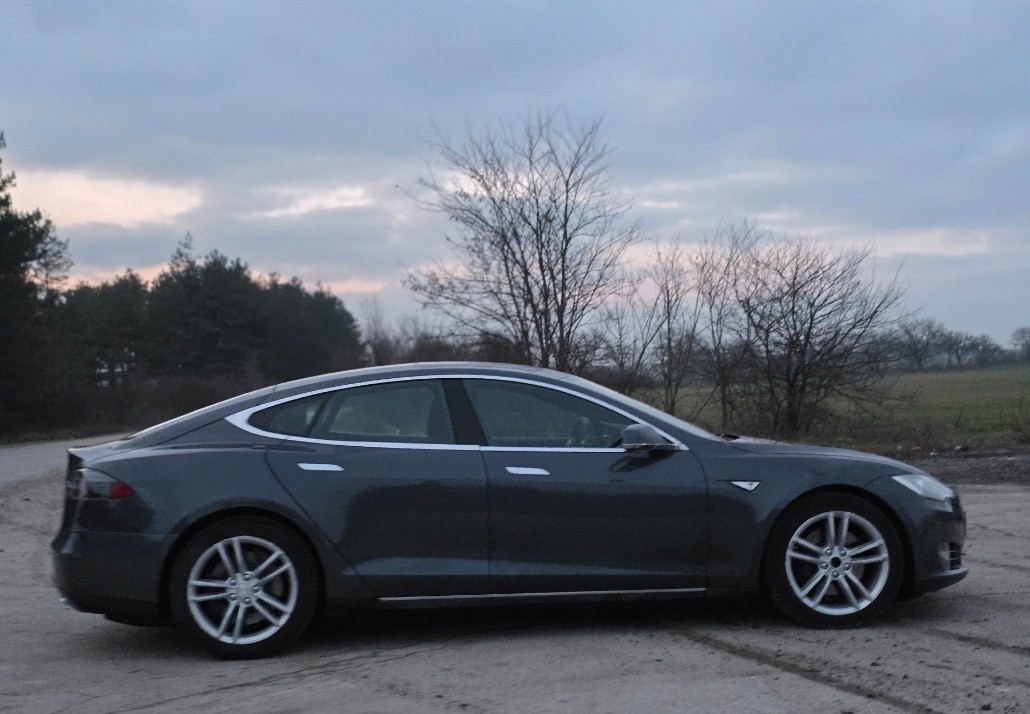
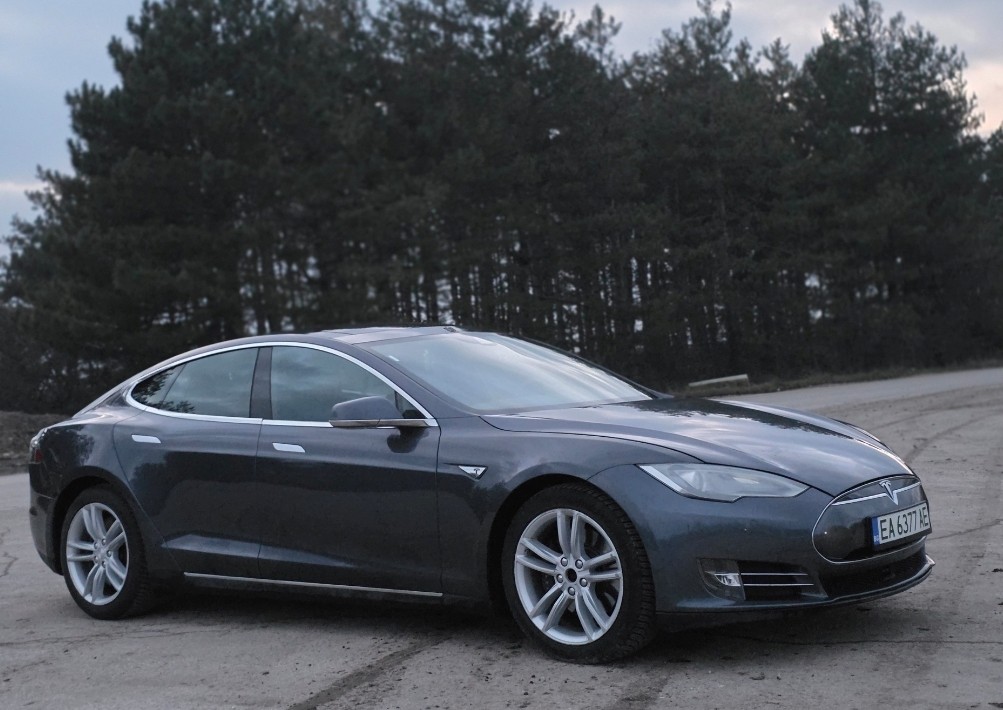
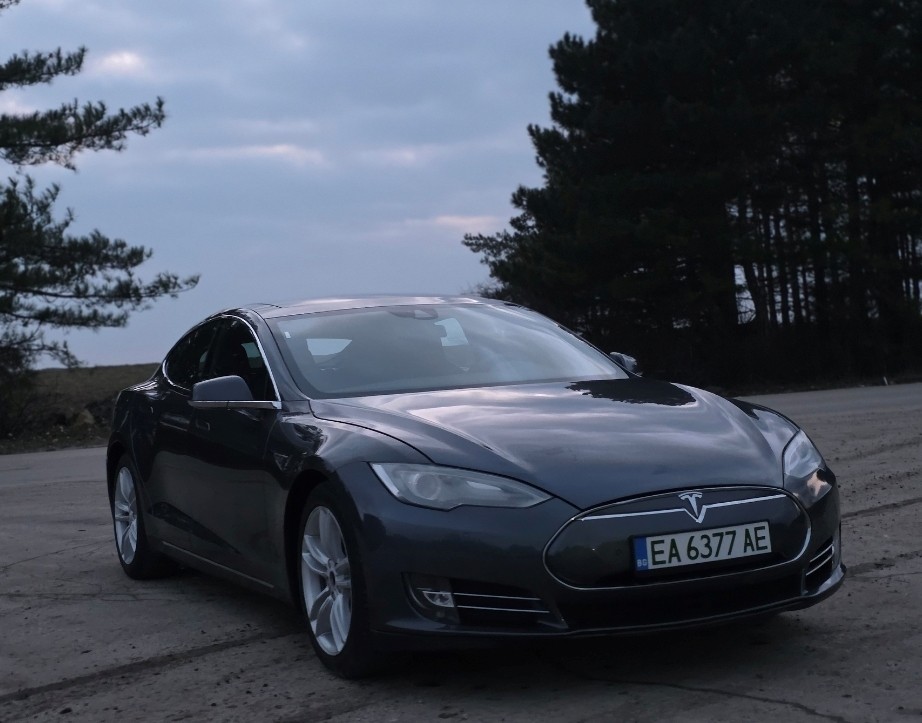
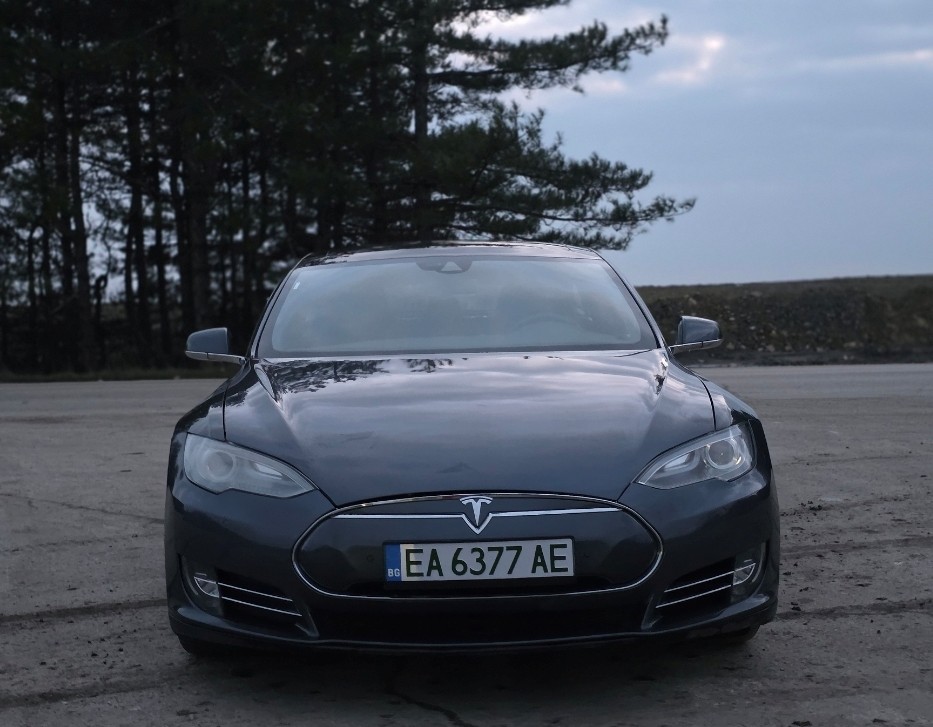
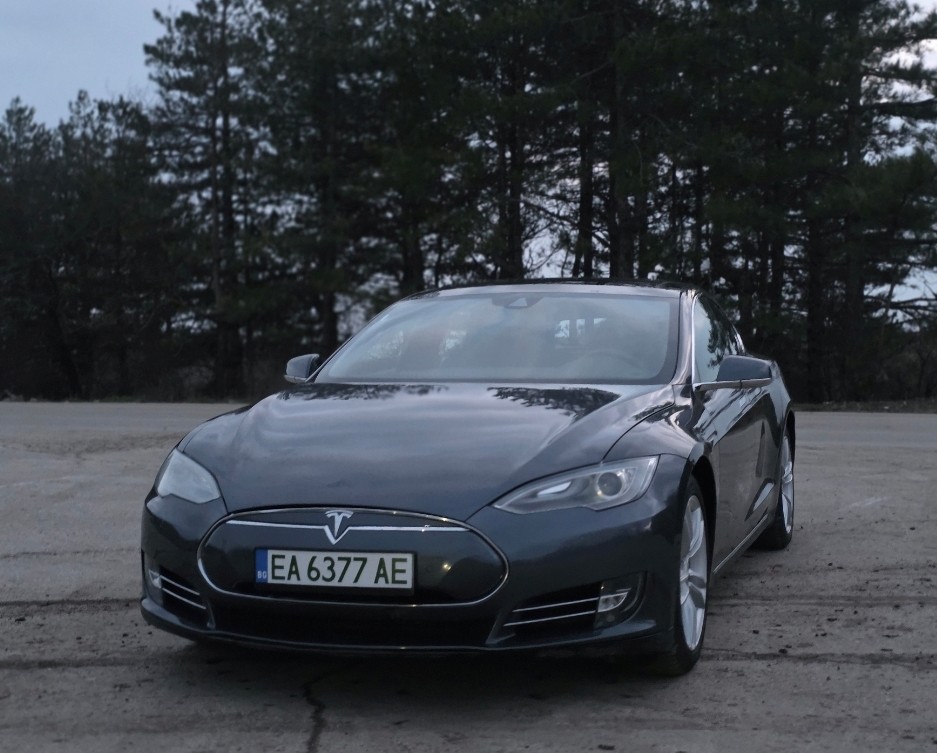
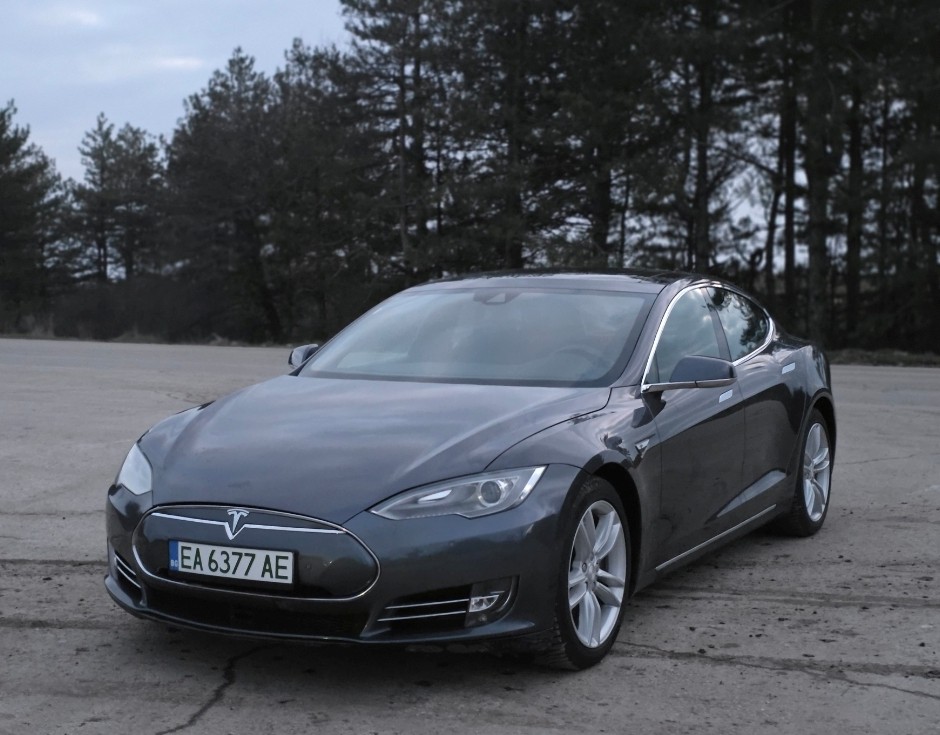
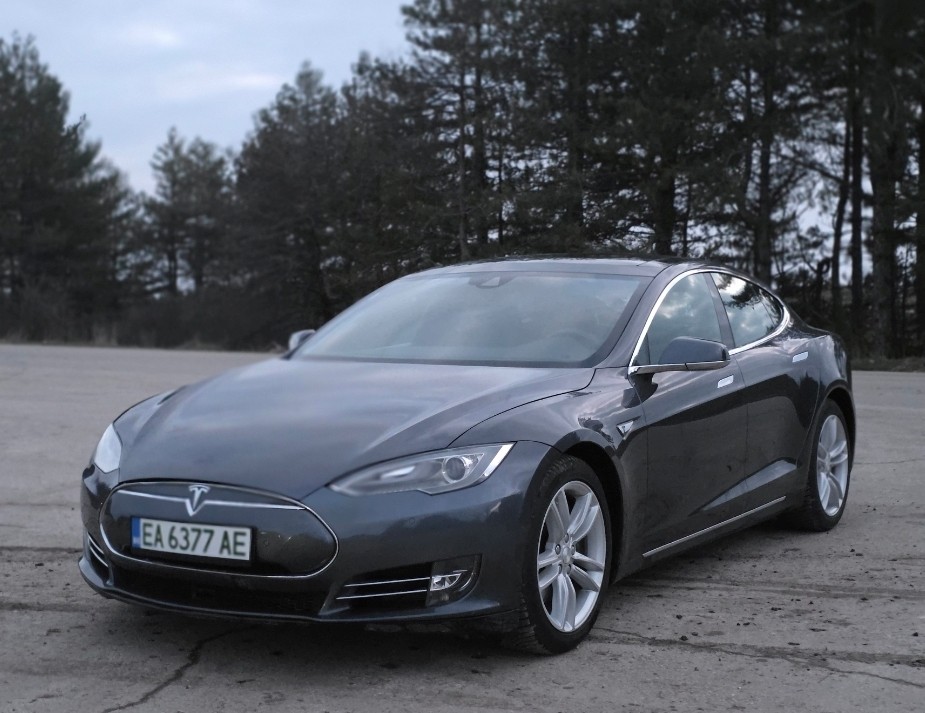
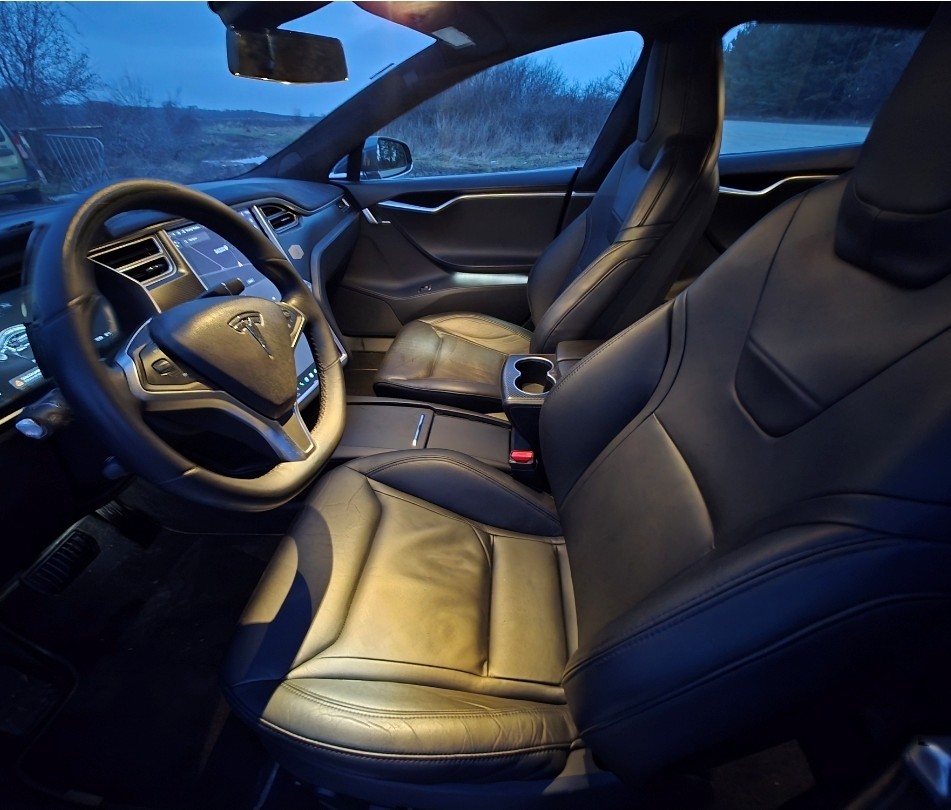
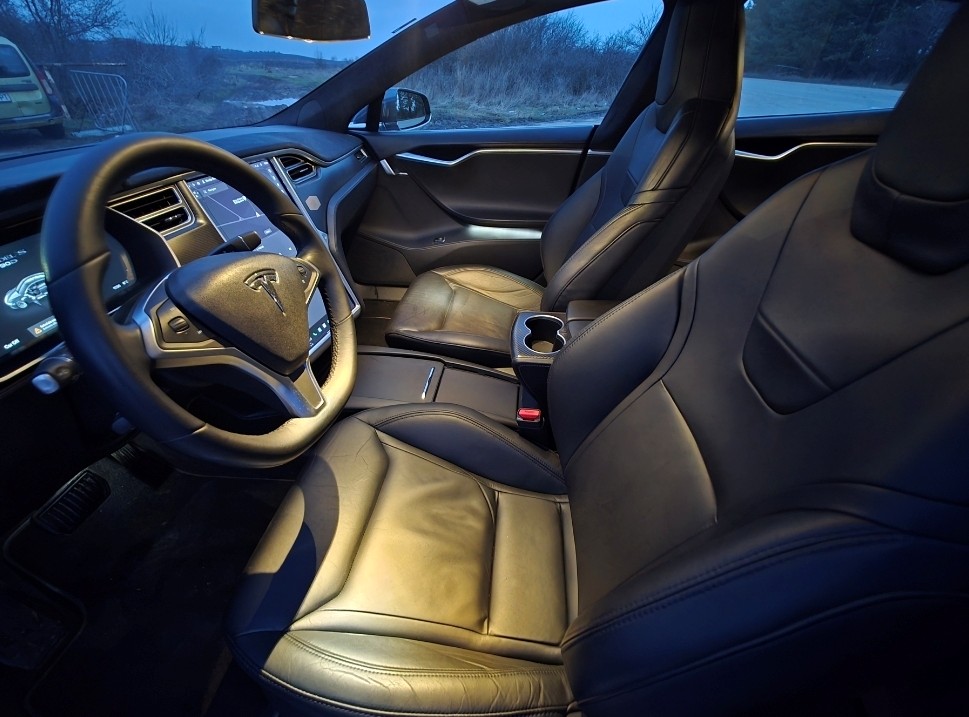
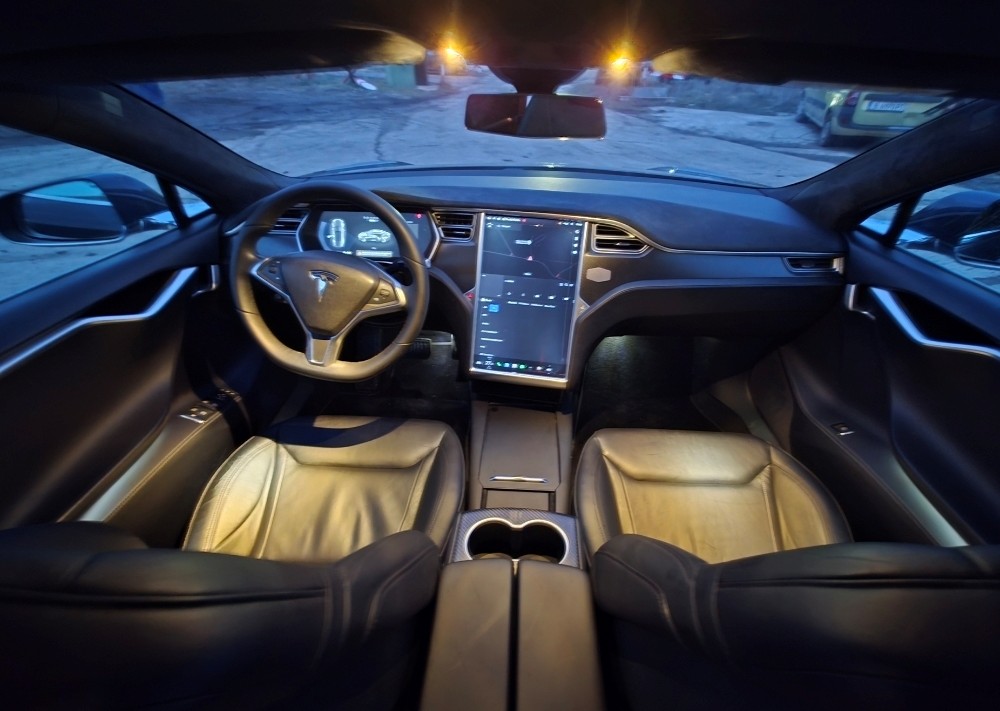
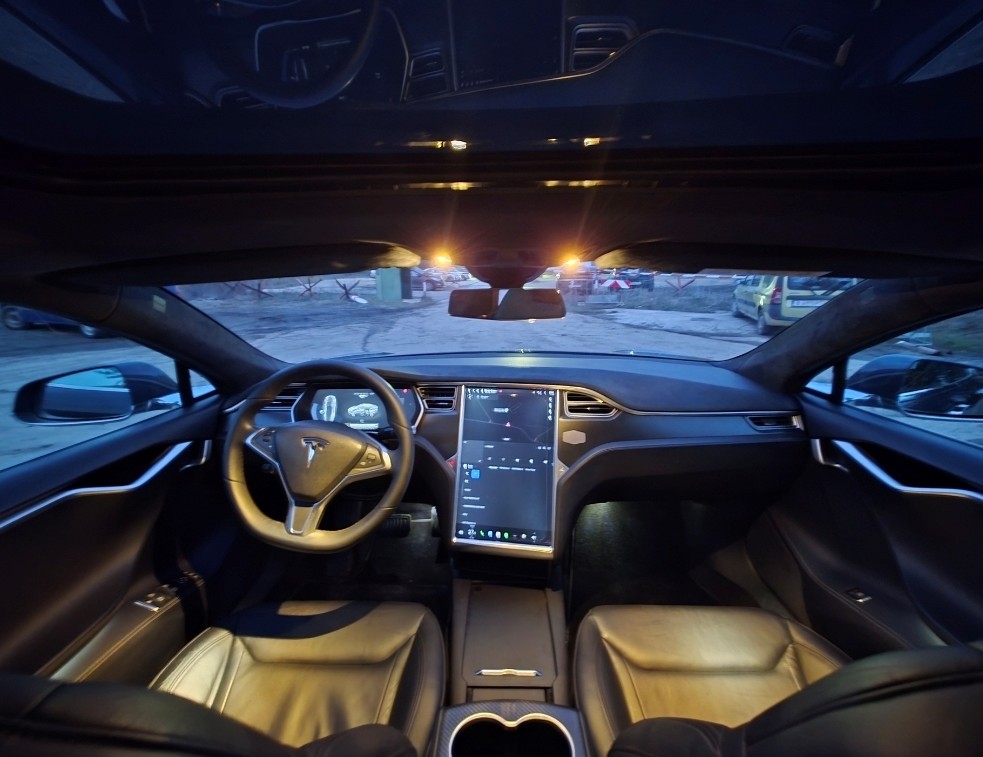
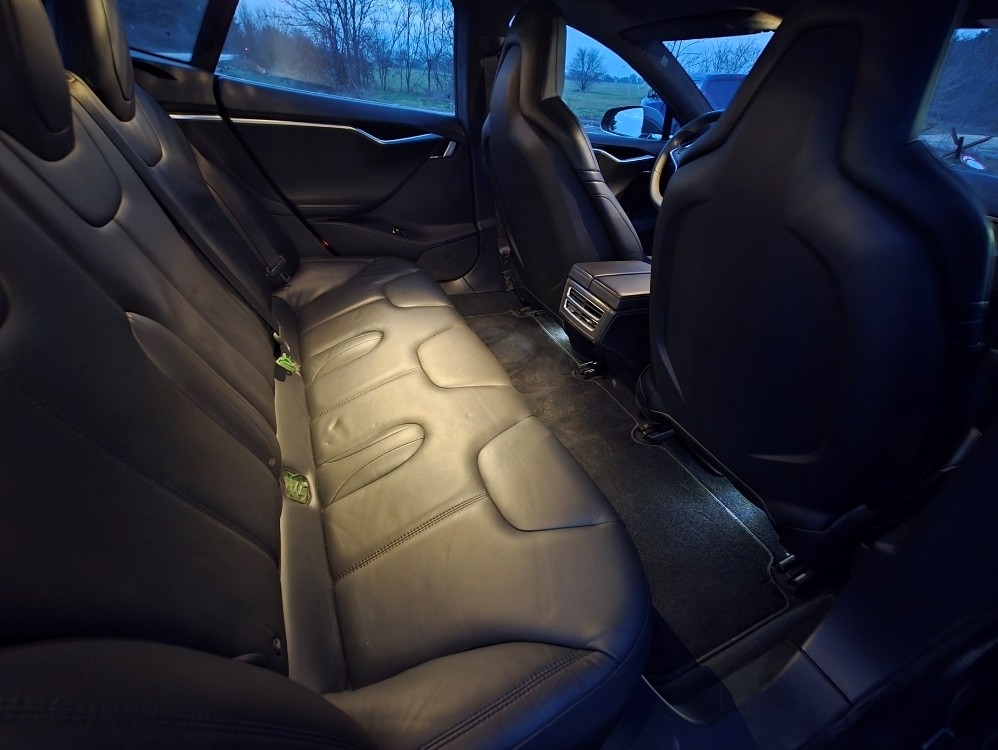
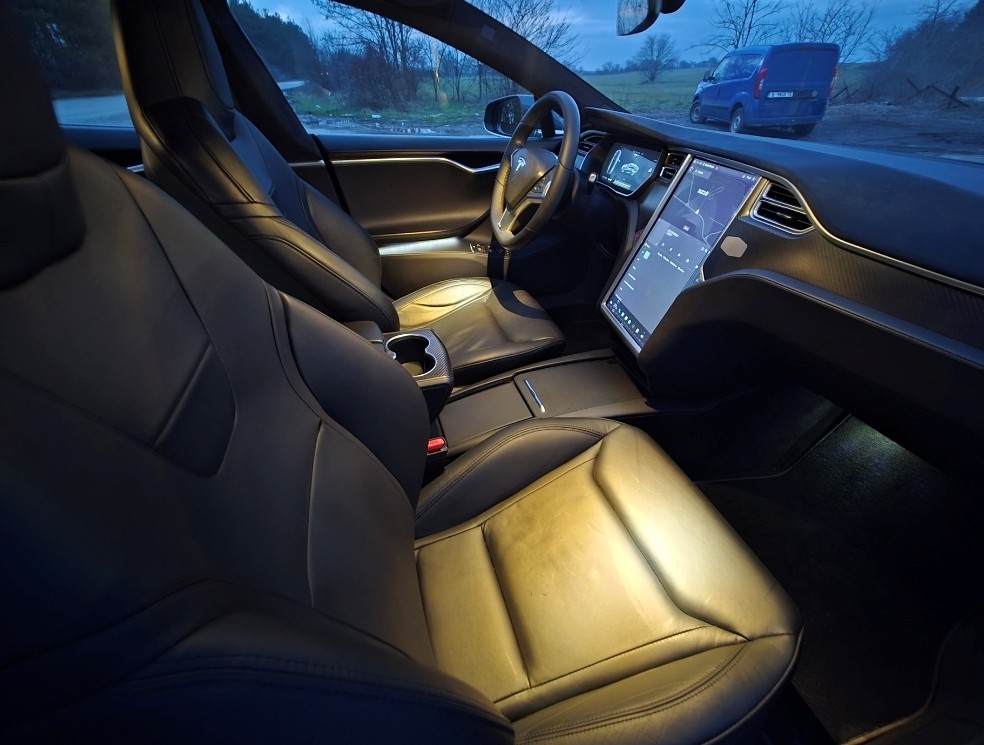
The Tesla Model S 90D from 2016 with Autopilot hardware and, crucially, Transferable Free Unlimited Supercharging (FUSC) is a unique vehicle in the EV landscape, offering a specific set of benefits that have made it a cult classic among Tesla enthusiasts. Its value proposition is highly specialized.
Here is a detailed outline of its key benefits, with particular emphasis on its most unique feature:
1. The Crown Jewel: Transferable Free Unlimited Supercharging (FUSC)
Lifetime „Fuel“ Freedom: This is the single most compelling benefit. For the original and all subsequent private owners, this car has no charging costs at Tesla Superchargers, ever. This perk is tied to the vehicle’s VIN, not the owner.
Massive Long-Term Value: For a high-mileage driver or frequent road tripper, this can save thousands of dollars per year compared to paid Supercharging or gasoline. It effectively makes long-distance travel energy-cost-free.
Rarity & Desirability: Tesla discontinued this offer for new cars years ago. Cars with transferable FUSC are highly sought after on the used market, often commanding a significant price premium and holding their value better.
2. Proven Autopilot Hardware (AP1)
Mature, Reliable System: The 2016 Model S features Autopilot Hardware 1 (AP1), a collaboration with Mobileye. It is widely regarded as a polished, predictable, and effective Level 2 system for its era.
Focused Capability: It excels at highway driving with smooth Traffic-Aware Cruise Control and confident lane-keeping (Autosteer). It lacks the more complex city-driving ambitions of later FSD systems, which many owners appreciate for its simplicity and reliability.
No Ongoing Cost: Unlike „Full Self-Driving,“ this original Autopilot capability is a standard feature on the car with no subscription fee.
3. Performance & Drivetrain (The „D“ for Dual Motor)
All-Wheel Drive Traction & Safety: The „90D“ designation means a 90 kWh battery with dual motors (one per axle). This provides excellent traction in poor weather, improved acceleration, and inherent redundancy.
Strong, Effortless Performance: Typical 0-60 mph times are around 4.2 seconds. The instant, silent torque of the electric motors delivers seamless and deceptively fast acceleration for a large sedan.
Long(ish) Range: When new, the 90D offered an EPA-estimated range of ~294 miles. A well-cared-for 2016 example should still deliver 230-260 miles of real-world range, which is sufficient for most daily and long-distance use, especially with free Supercharging.
4. Practicality & Space
Unmatched Cargo Capacity for a Sedan: Thanks to both a front trunk („frunk“) and a massive rear hatchback, the Model S offers more usable cargo space than many SUVs. It’s incredibly versatile.
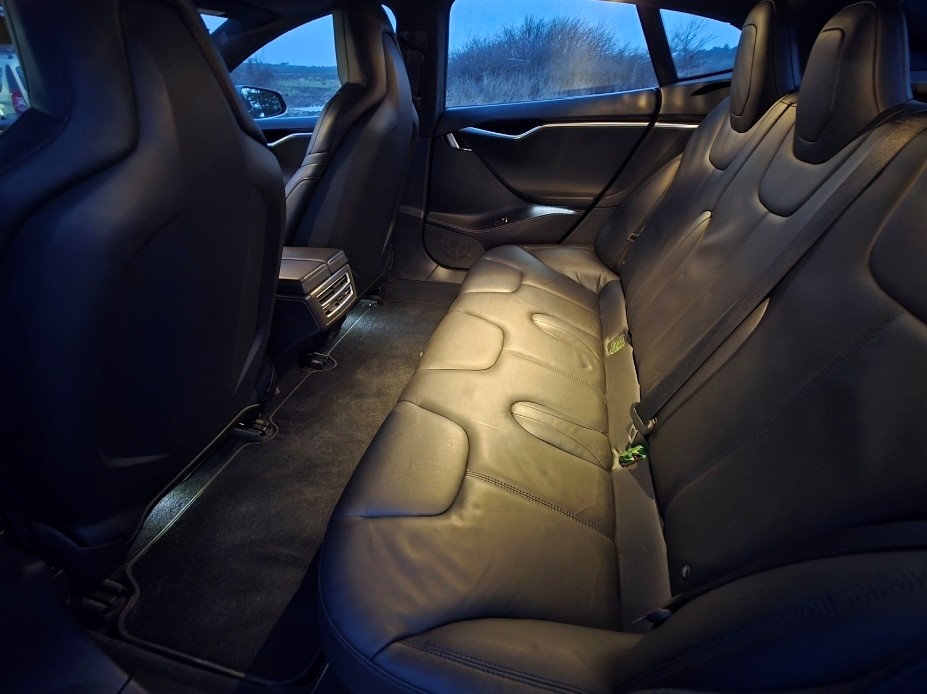
Spacious, Luxurious Cabin: A true five-seater (or optional rear-facing jump seats in some) with a flat floor and a premium, minimalist feel for its time.
Iconic Design: The 2016 facelift (often called „Refresh“) gave the Model S a new front end without a black „nose cone,“ which remains a timeless and desirable look.
5. Low Maintenance & Operational Costs
Minimal Powertrain Upkeep: No engine oil, spark plugs, filters (for propulsion), transmission fluid, or exhaust systems to maintain.
Brake Longevity: Regenerative braking significantly reduces wear on the physical brake pads and rotors.
Cheap „Fuel“ at Home: Even without using Superchargers, home charging remains far cheaper than gasoline.
Important Considerations & The Flip Side
Buying a 2016 Model S is about understanding a trade-off: uniquely valuable perks vs. aging technology and potential costs.
Battery Degradation & Potential for Out-of-Warranty Repair: The battery and drive unit warranty for a 2016 model is likely expired or very close to it (8 years/unlimited miles ended in 2024). A pre-purchase battery health check is an absolute must. Replacement costs are high, though rare.
MCU (Media Control Unit) Slowness: The original NVIDIA Tegra-based MCU1 is notoriously slow by modern standards. Many owners have upgraded to the MCU2 (infotainment upgrade), which is a highly recommended ~$1,500-$2,000 investment for a usable touchscreen, modern maps, and features like Netflix.
Outdated Hardware: It lacks many newer Tesla features: No Sentry Mode, No Dashcam, No Dog Mode, No advanced games, slower browser. The mobile app experience is more basic.
No More Free Software Updates: Major over-the-air updates adding significant new features have largely ceased for AP1 cars. What you see is largely what you get.
Build Quality Variability: Mid-2010s Teslas had more inconsistent build quality (trim, seals, etc.) than modern ones. A thorough inspection is key.
Summary & Target Buyer
The 2016 Model S 90D with AP1 and FUSC is an ideal choice for:
A frequent long-distance traveler who will maximally exploit the free Supercharging benefit and for whom the savings outweigh the car’s age-related risks.
An EV enthusiast who appreciates the proven, reliable AP1 system and doesn’t need the latest „FSD“ beta experiments.
A buyer who values practical space (hatchback) and smooth, quick performance in a sedan body.
Someone willing to budget for potential out-of-warranty repairs (especially the MCU2 upgrade and a battery health buffer) to unlock the core value of the free „fuel.“
In short, its core benefit is providing a highly capable, long-range EV with a permanently free pass to the best charging network and a mature driving assistant, all wrapped in a practical and fast package. It’s a specialist’s Tesla—its value is almost entirely defined by the transferable Free Unlimited Supercharging and the desire for a no-subscription, predictable ownership experience. Due diligence on battery health and a plan for the MCU upgrade are critical to a happy ownership experience.